
- Using Stripe or Braintree does not make you PCI compliant. It reduces your scope, but you still carry obligations under SAQ A, SAQ A-EP, or SAQ D depending on how your integration is built.
- PCI DSS 4.0 became the only active version in March 2024, and its new requirements around multi-factor authentication, targeted risk analysis, and web-skimming protection catch many SaaS companies unprepared.
- The right tooling approach is not one platform. It is a stack: a tokenization or vault layer to shrink scope, a vulnerability scanning or WAF layer to meet technical requirements, and a compliance automation layer to generate SAQ evidence without manual spreadsheets.
- Most early-stage SaaS companies qualify for SAQ A or SAQ A-EP. Getting there and staying there is a documentation and architecture problem, not just a policy problem.
- This list maps ten tools to the specific PCI DSS 4.0 requirements they address, the SAQ types they support, and the scope reduction they offer, so you can build a stack that fits your actual footprint.
The best PCI compliance software for a SaaS company depends on how card data flows through your system. If you fully outsource card rendering to a hosted payment page with no JavaScript customization, SAQ A-eligible tools like Basis Theory or Stripe’s built-in tokenization cover most of the gap. If you touch the payment page, you need SAQ A-EP coverage and a script integrity tool. Payment platforms processing on behalf of others need SAQ D tooling: a compliance automation platform like Vanta or Drata, a vulnerability management layer, and a network segmentation approach to bound scope.
Why “Using Stripe” Doesn’t End Your PCI Obligations
Stripe, Braintree, and similar processors handle cardholder data on their own infrastructure. What they do not do is audit your network segmentation, enforce multi-factor authentication on your admin portals, or verify that no third-party scripts on your checkout page are exfiltrating card numbers. Those obligations stay with you.
Under PCI DSS 4.0, Requirement 6.4.3 and 11.6.1 specifically target web-skimming attacks by requiring merchants to maintain an inventory of all scripts loaded on their payment pages and to detect unauthorized changes to HTTP headers and page content. Stripe’s JavaScript does not monitor your other JavaScript. That gap has caused real breaches, and the PCI Security Standards Council wrote those requirements in direct response to Magecart-style attacks.
The SAQ you fall under determines how much tooling you need. SAQ A applies when all payment page functions are fully outsourced to a PCI-compliant third party and your site contains zero card data. SAQ A-EP applies when your site hosts the payment page but redirects to a third-party processor. SAQ D, the most demanding, applies to payment facilitators, SaaS platforms that store card data, or companies using a direct API integration. Most SaaS founders overestimate how far into SAQ A territory they actually sit.
For a broader look at how compliance costs scale by company stage, the FintechSpecs breakdown of the real cost of compliance in fintech SaaS puts PCI into context alongside SOC 2, AML, and licensing obligations.
Before You Buy Any Tool: Map Your Card Data Flow
The most common mistake in PCI tool selection is buying a compliance automation platform before establishing which SAQ actually applies. The three questions below are the diagnostic every SaaS team should work through before evaluating vendors. They are not proprietary methodology, they come directly from the PCI SSC’s scoping guidance, but they are routinely skipped.
Does raw PAN data ever touch your servers, even transiently? If yes, you are in SAQ D territory regardless of your processor. If card data is rendered entirely inside an iframe or hosted page controlled by your processor, SAQ A is possible.
What JavaScript loads on your payment page? List every script tag, analytics pixel, A/B testing library, and chat widget that loads on any page where a card form appears. Each one is a potential vector under PCI DSS 4.0 Requirement 6.4.3. If you do not have this inventory, you cannot attest to SAQ A-EP and you are exposed to web-skimming risk.
Where is your system boundary? Segment the systems that store, process, or transmit cardholder data from those that do not. Network segmentation documented and tested is what allows you to shrink the number of systems inside scope, which directly reduces the cost and complexity of your annual assessment.
Working through these three questions before selecting tools prevents the most common sequencing error: buying a compliance automation platform and then discovering mid-assessment that your card data flow disqualifies you from the SAQ type you were targeting. This is also where the FintechSpecs fintech compliance readiness checklist is useful, it covers the architectural decisions that precede tool selection across PCI, SOC 2, and licensing.
The 10 PCI Compliance Tools Mapped to Scope and SAQ Type
The table below maps each tool to the PCI DSS 4.0 requirements it addresses most directly, the SAQ types it supports, and whether it primarily reduces scope, automates evidence collection, or addresses a specific technical requirement. The tools selected here represent the categories any compliant SaaS stack needs to cover: tokenization, compliance automation, vulnerability scanning, script monitoring, encryption for card-present, and cloud environment scoping. Competitors in the compliance automation category, including Carbide Secure and Scrut Automation, address similar evidence-collection needs and are worth evaluating alongside Vanta, Drata, Secureframe, and Sprinto if your team has specific framework requirements or pricing constraints.
| Tool | Primary Function | SAQ Types Supported | Key PCI DSS 4.0 Requirements | Scope Impact |
|---|---|---|---|---|
| Basis Theory | Card vaulting and tokenization | SAQ A, SAQ A-EP | Req 3 (stored data protection) | Removes PAN from your environment |
| Spreedly | Payment orchestration and tokenization vault | SAQ A, SAQ A-EP | Req 3, Req 4 | Centralizes card data outside your stack |
| Vanta | Compliance automation and SAQ evidence | SAQ A, SAQ A-EP, SAQ D | Req 7, 8, 10, 12 | Automates evidence; does not reduce scope |
| Drata | Compliance automation and continuous monitoring | SAQ A-EP, SAQ D | Req 7, 8, 10, 12 | Automates evidence; does not reduce scope |
| Secureframe | Compliance automation with QSA support | SAQ A, SAQ A-EP, SAQ D | Req 7, 8, 10, 12 | Evidence collection; guided scoping |
| Qualys VMDR | Vulnerability scanning and patch management | SAQ A-EP, SAQ D | Req 6 (vulnerability management), Req 11 | Required for any SAQ A-EP or D attestation |
| Cloudflare WAF | Web application firewall and script monitoring | SAQ A, SAQ A-EP | Req 6.4.3, Req 11.6.1 | Addresses web-skimming requirements directly |
| Bluefin P2PE | Point-to-point encryption for in-person payments | SAQ P2PE | Req 4 (data transmission), Req 3 | Largest scope reduction available for card-present |
| Sprinto | Compliance automation with sub-controls mapping | SAQ A, SAQ A-EP, SAQ D | Req 7, 8, 9, 10, 12 | Policy and evidence automation |
| Orca Security | Cloud security posture for cardholder data environments | SAQ D | Req 1, 2, 6, 11 | Scans cloud config to bound CDE in cloud environments |
1. Basis Theory
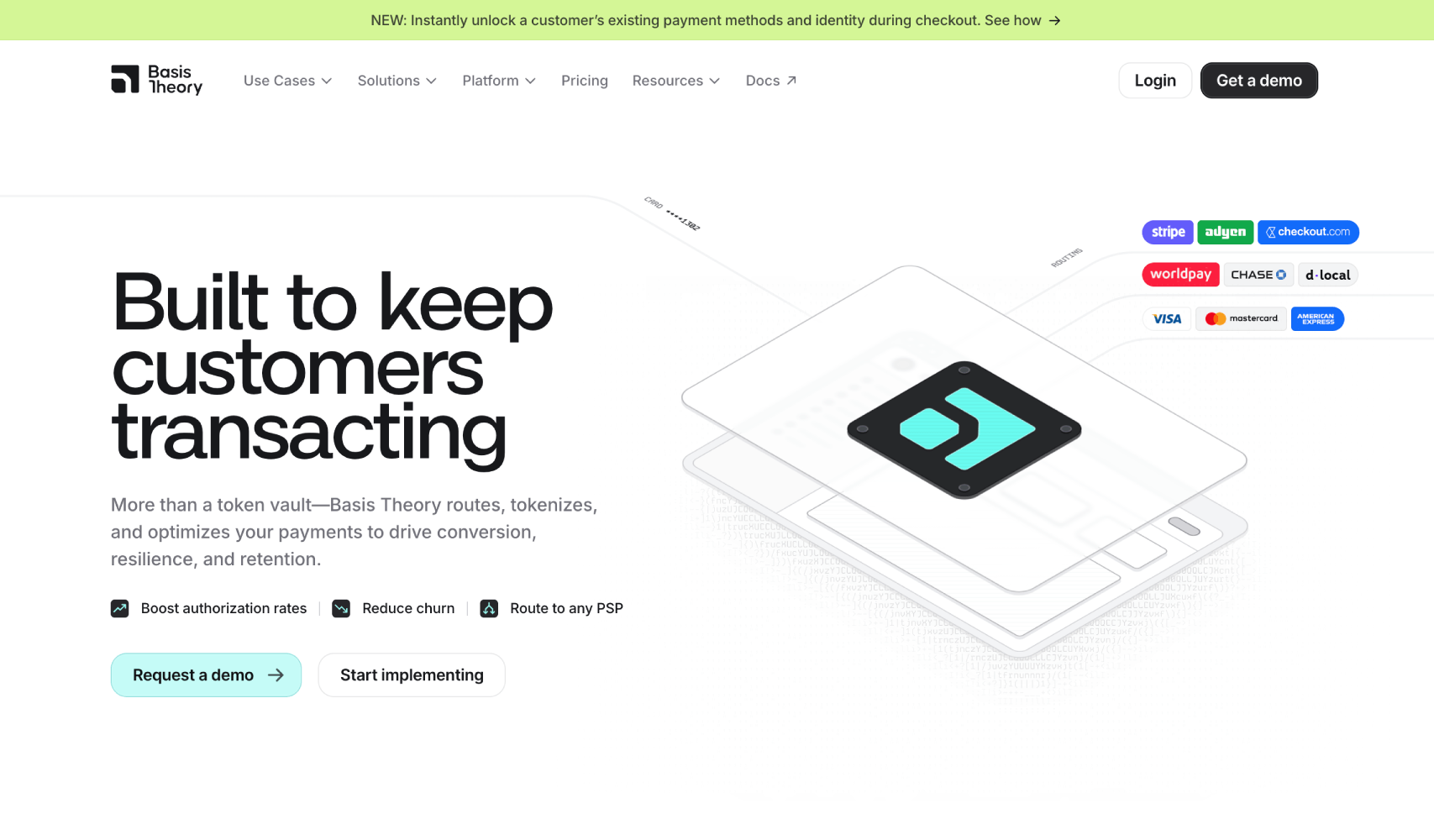
Basis Theory is a tokenization vault that replaces raw PAN data in your database with tokens your application can use without storing actual card numbers. When you move card data into Basis Theory’s environment, it leaves your systems entirely, which is the most direct form of PCI scope reduction available to a software company. Your SAQ drops from D to A or A-EP depending on your checkout architecture.
The practical advantage over building your own vault is certification: Basis Theory is PCI DSS Level 1 certified, meaning their environment has already passed a QSA assessment. Your job becomes proving your integration with them is clean, not proving your own vault is compliant. For a seed or Series A company, that trade-off is almost always worth it.
2. Spreedly
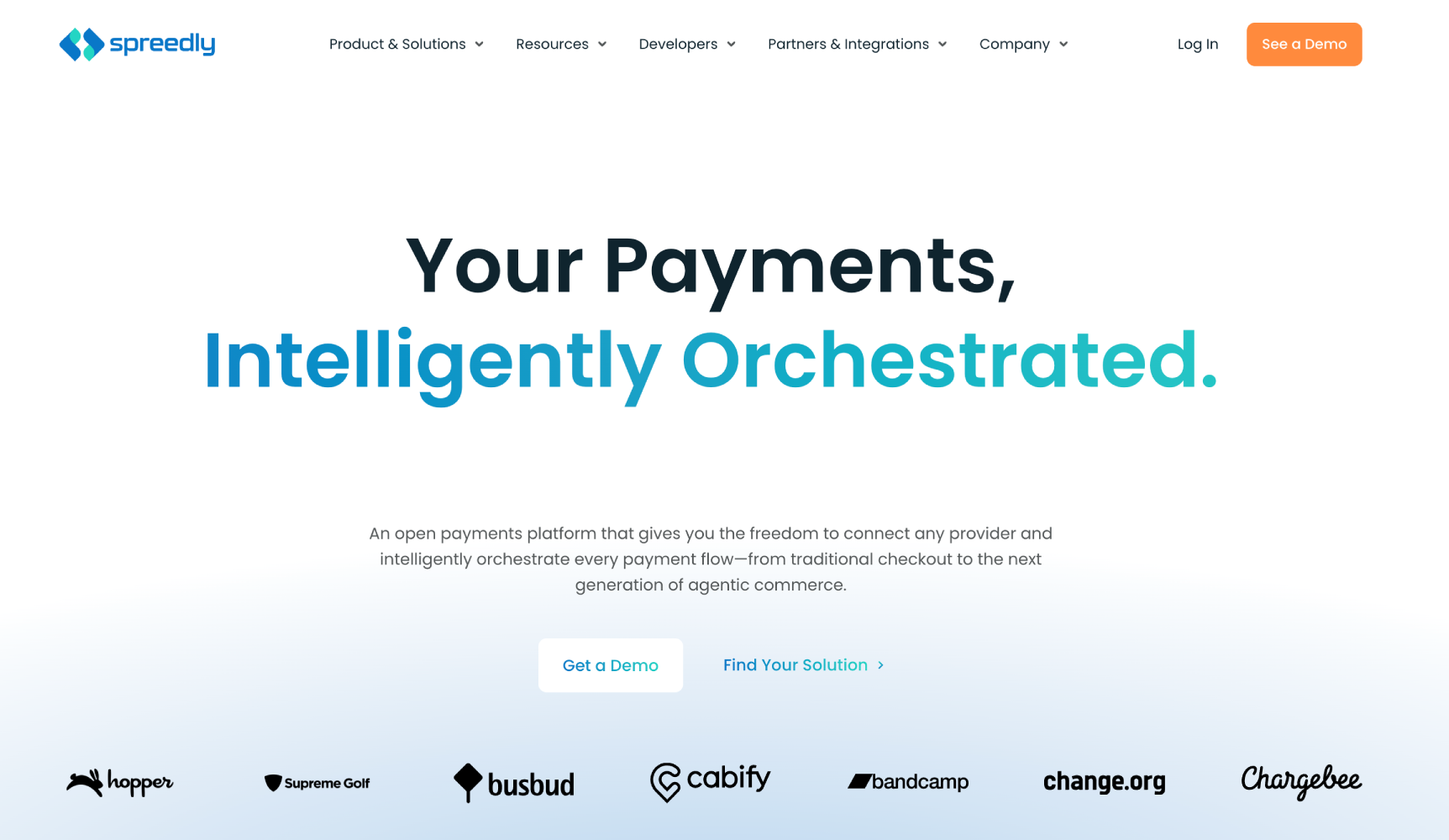
Spreedly combines payment orchestration with a centralized tokenization vault. If your product routes payments across multiple processors, say Stripe in the US and Adyen in Europe, Spreedly holds the card data once and sends payment method tokens to whichever processor handles the transaction. The card number never touches your application layer or your individual processor integrations.
This matters for PCI scope because each processor integration you bypass reduces the number of data flows you have to document. For companies building payment orchestration stacks, Spreedly’s vault architecture can consolidate scope into a single certified environment rather than creating separate audit surfaces per processor.
3. Vanta
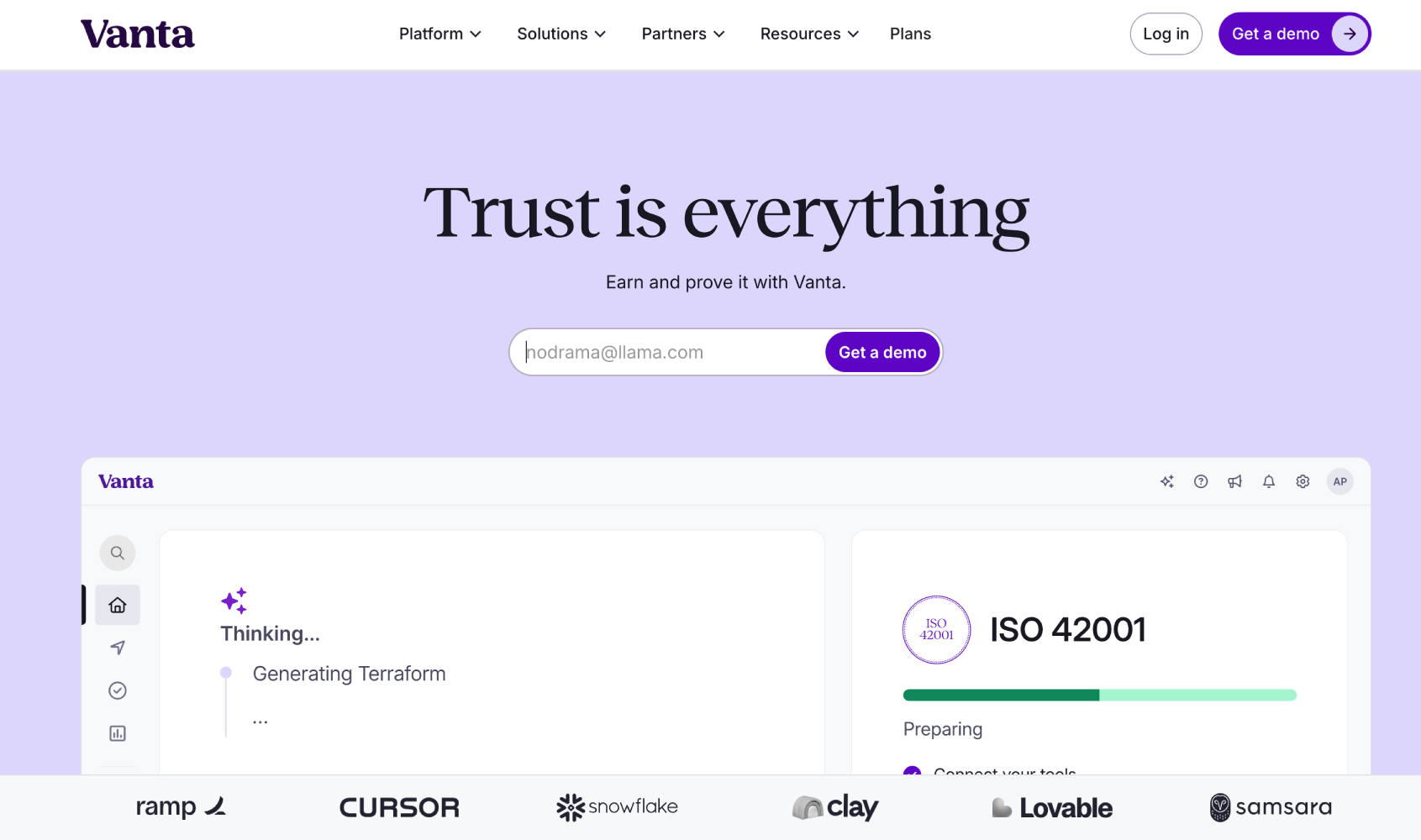
Vanta connects to your cloud infrastructure, identity provider, HR system, and code repositories to pull evidence automatically. For PCI DSS 4.0, it maps continuous monitoring outputs to specific requirements: access control logs for Requirement 7 and 8, audit trails for Requirement 10, and policy acknowledgments for Requirement 12.
Vanta does not reduce scope. It automates the evidence collection that proves you meet requirements within whatever scope you have already defined. For companies pursuing SAQ D with a QSA, Vanta cuts the time spent compiling evidence from weeks to days. The company does not publicly list PCI-specific pricing separately from its base platform, so you need a direct quote.
4. Drata
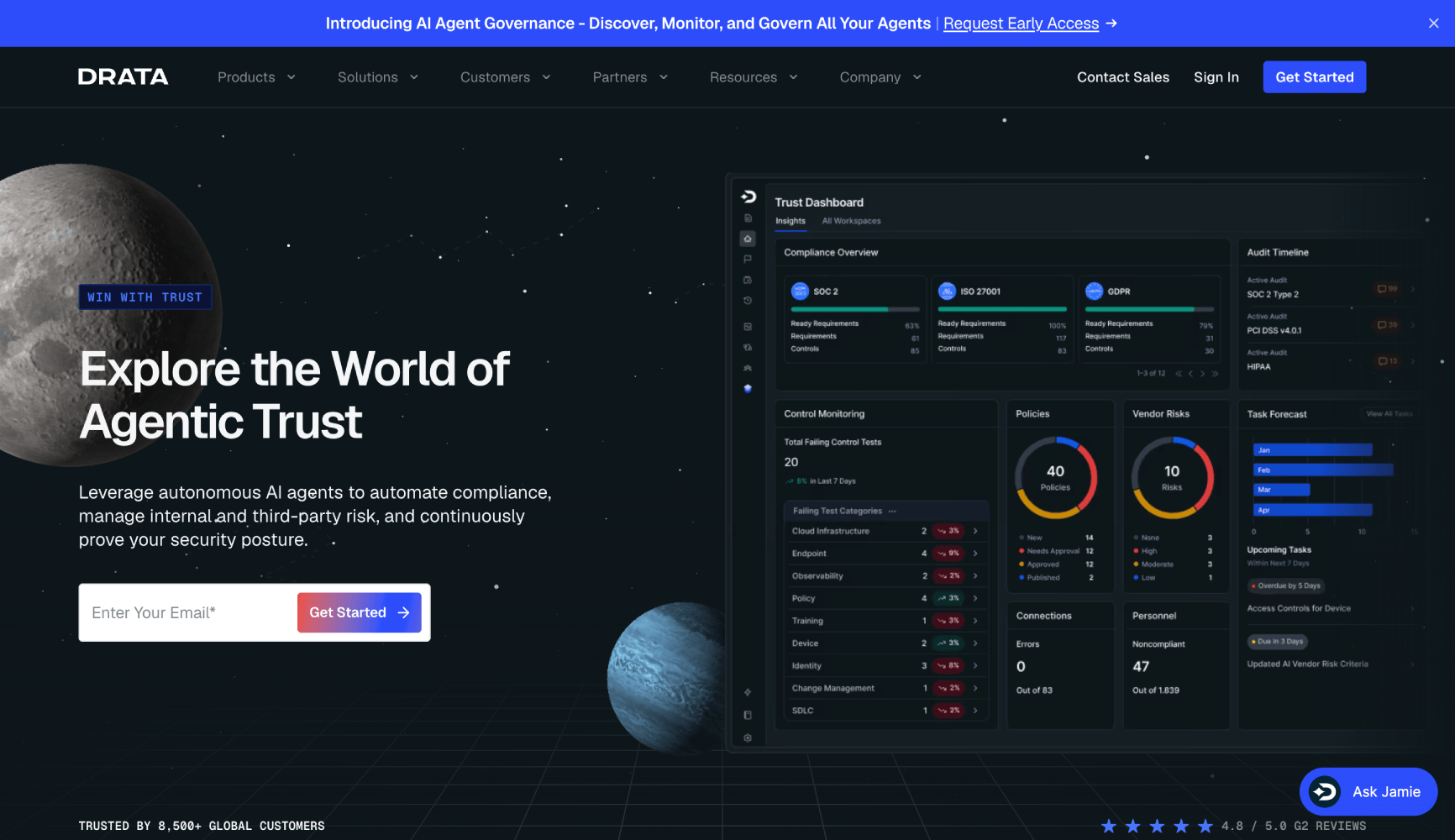
Drata takes a similar continuous control monitoring approach with strong cloud integration coverage. Its PCI DSS framework maps requirements to automated tests that run against your actual configuration rather than relying on manual policy attestations. For PCI DSS 4.0’s new requirement for targeted risk analysis (Requirement 12.3.2), Drata’s risk register capability is genuinely useful because 4.0 requires you to document a formal analysis to justify any compensating controls or customized approaches.
Drata integrates with AWS, Azure, GCP, GitHub, Okta, and most common SaaS tooling. Pricing is not public. For teams already running Drata for SOC 2, adding the PCI DSS framework is incremental work rather than a new vendor relationship.
5. Secureframe
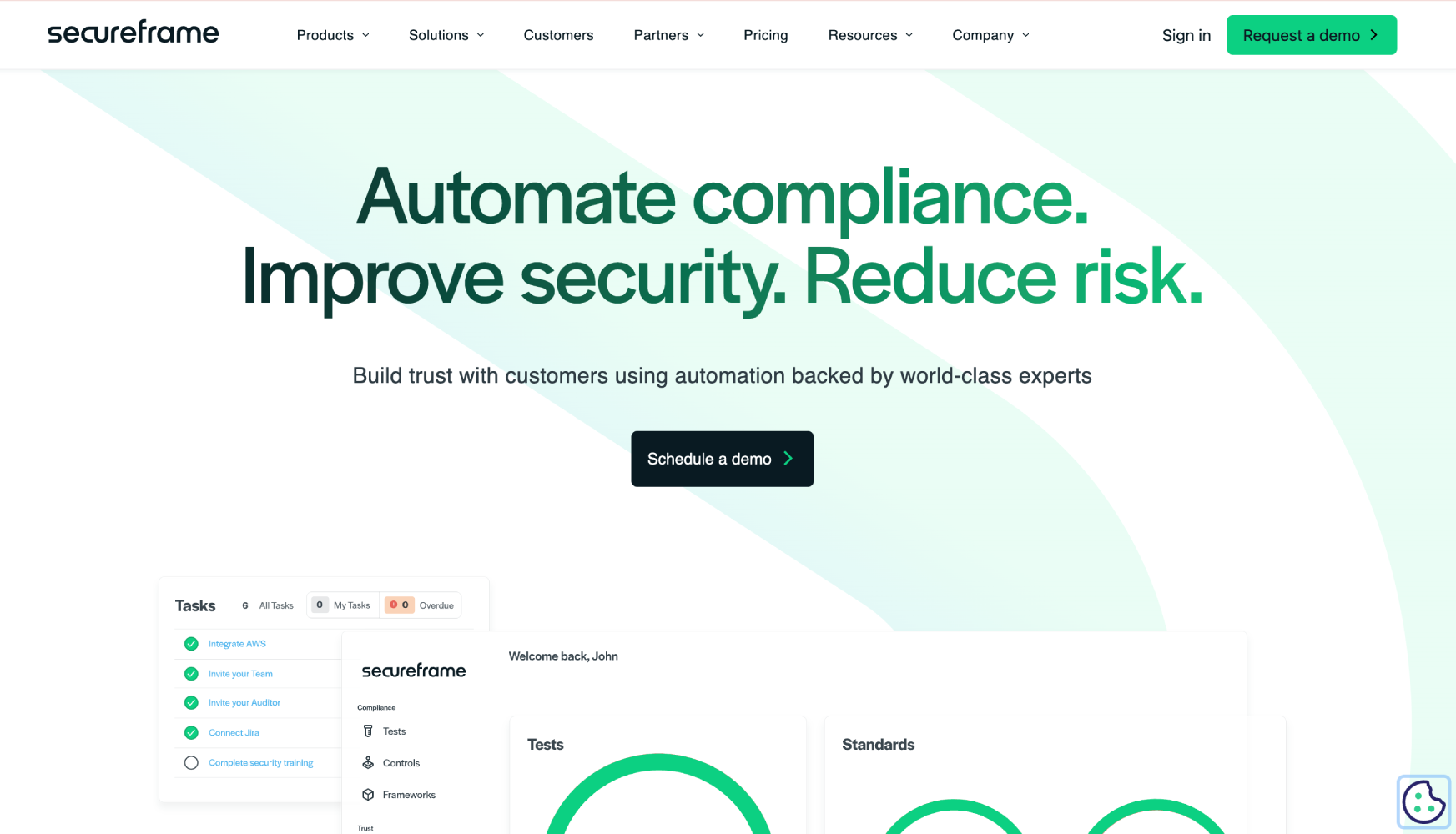
Secureframe positions itself with access to in-house QSA guidance baked into the platform, which matters because PCI assessments require a qualified security assessor for Level 1 merchants and some Level 2 situations. Other compliance automation platforms generate evidence; Secureframe also provides context about whether that evidence is actually sufficient for PCI, not just whether the checkbox is checked.
For companies that qualify for SAQ A or SAQ A-EP and want to self-attest, Secureframe’s guided scoping workflow walks through the card data flow questions that determine which SAQ applies. That scoping step is where most SaaS companies make their first mistake, and having guided rails reduces the risk of attesting to the wrong questionnaire.
6. Qualys VMDR
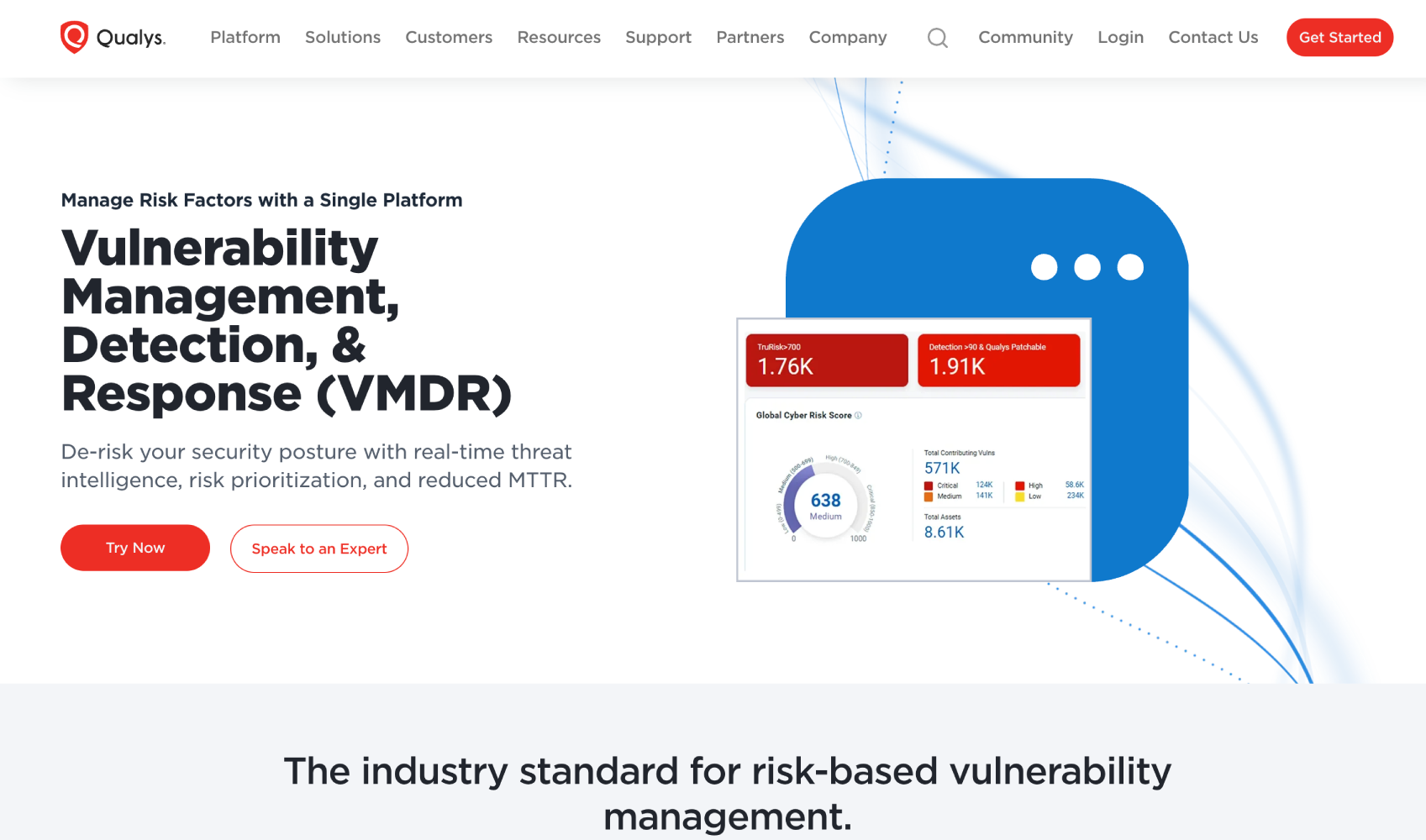
Qualys VMDR (Vulnerability Management, Detection, and Response) addresses PCI DSS 4.0 Requirements 6 and 11, which require quarterly internal vulnerability scans, external scans by an approved scanning vendor, and annual penetration testing. These are hard requirements for SAQ A-EP and SAQ D, not optional controls.
Qualys is an Approved Scanning Vendor (ASV) on the PCI SSC’s official list, which means its external scan reports are accepted by acquirers for compliance attestation. Running scans through a non-ASV tool and then submitting those results is a common mistake that invalidates an otherwise complete SAQ. Qualys pricing is not listed publicly and varies by asset count and module selection.
7. Cloudflare WAF with Page Shield
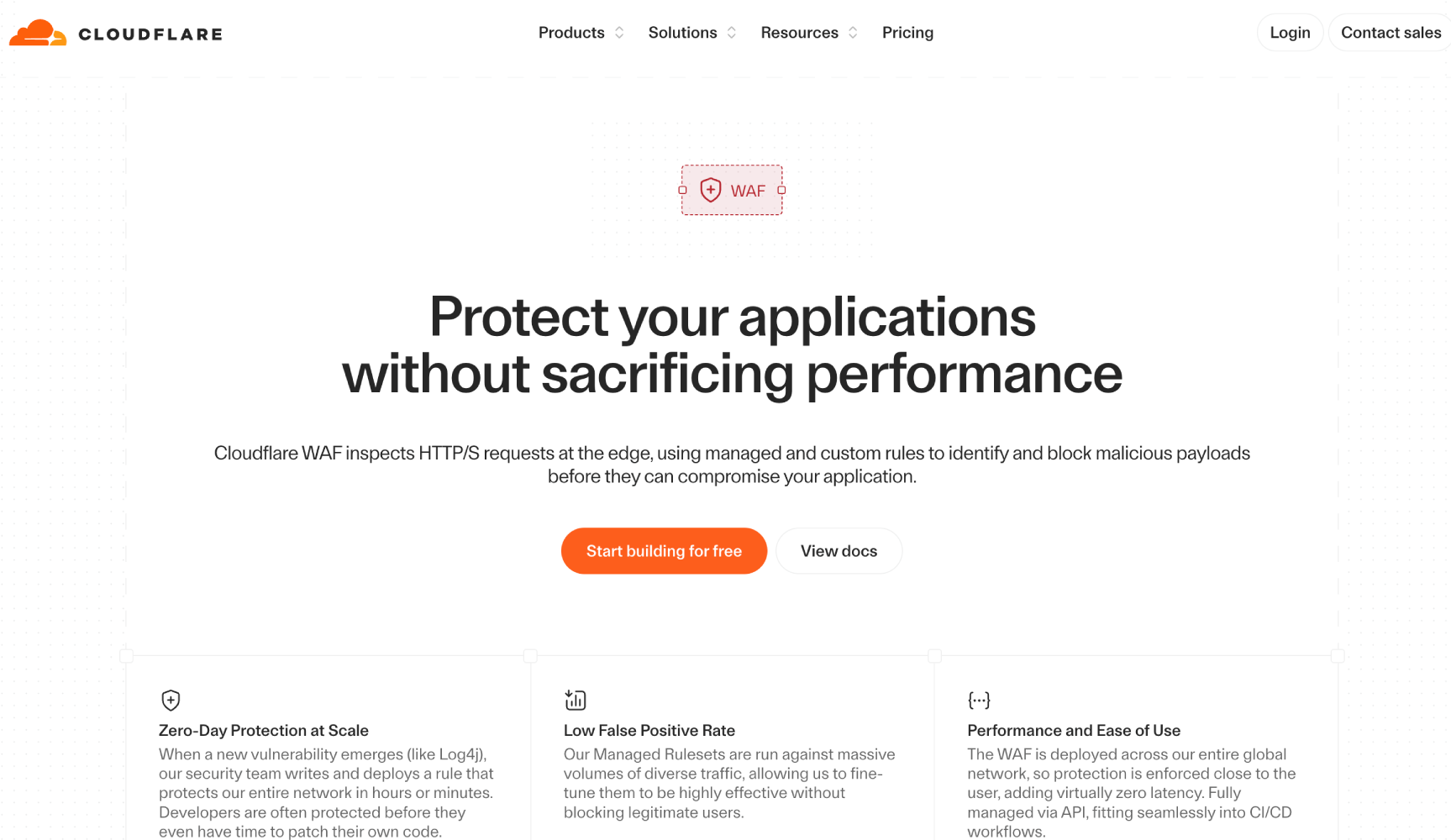
Cloudflare’s WAF includes a feature called Page Shield that monitors JavaScript executing on your pages and alerts on new or changed scripts. This directly addresses PCI DSS 4.0 Requirements 6.4.3 and 11.6.1, which are the web-skimming requirements that became mandatory requirements (not best practices) in the March 2024 version of the standard.
If your checkout page loads any third-party JavaScript, you need a mechanism to inventory those scripts and detect unauthorized modifications. Cloudflare Page Shield does this with minimal integration work, since it sits in front of your application at the DNS level. It does not eliminate your obligation to review the scripts themselves, but it provides the monitoring capability the standard requires. Page Shield is included in Cloudflare’s Business and Enterprise tiers; specific pricing is on Cloudflare’s public pricing page.
8. Bluefin P2PE
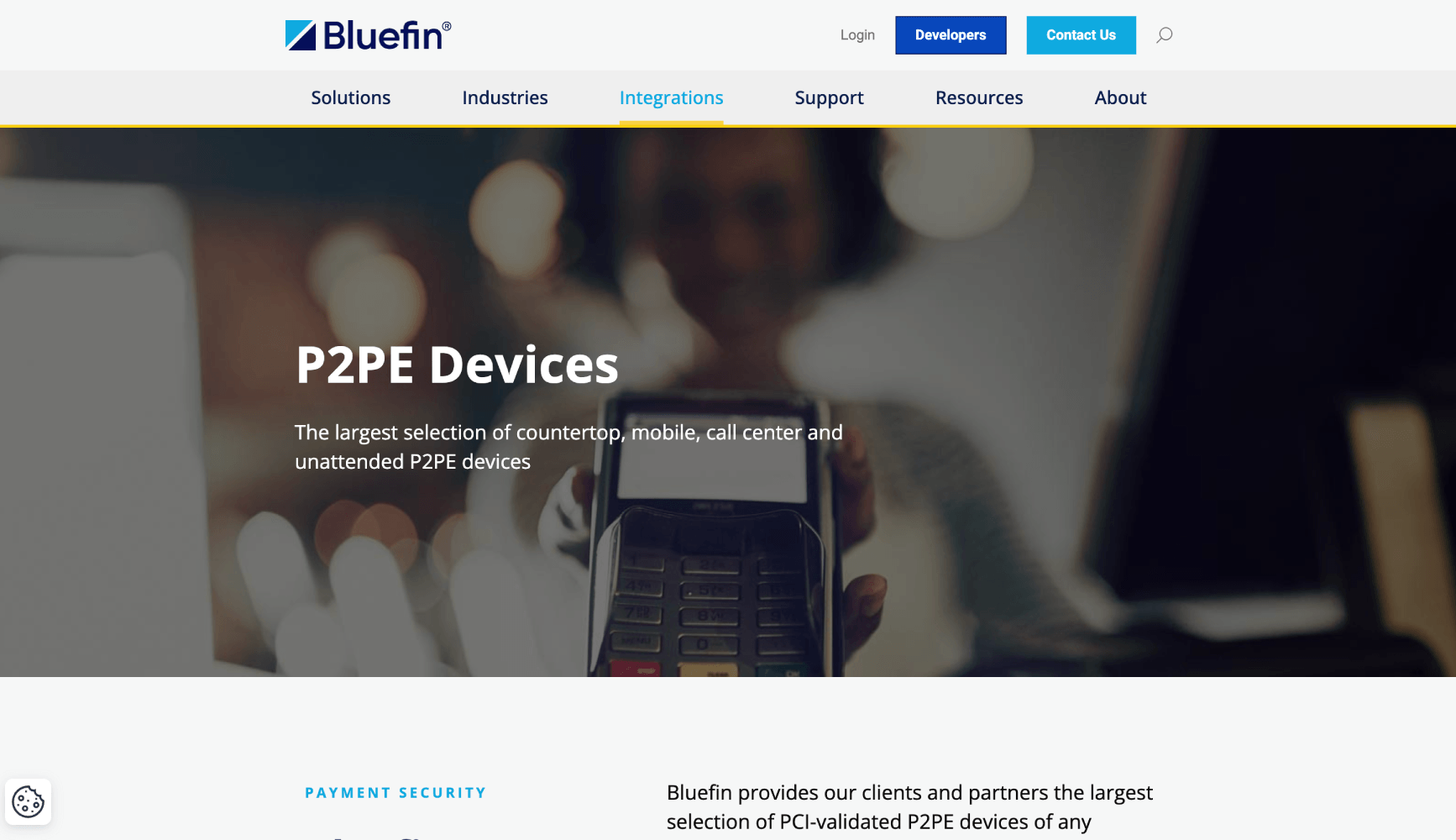
Bluefin offers a PCI-validated point-to-point encryption solution for card-present environments. When a card is swiped, dipped, or tapped through a Bluefin P2PE-validated device, the card data is encrypted at the point of interaction and decrypted only inside Bluefin’s PCI-validated decryption environment. Your POS or payment application never sees an unencrypted PAN.
P2PE produces the largest scope reduction in PCI for card-present transactions. Merchants using a validated P2PE solution qualify for SAQ P2PE, which contains 35 questions rather than the hundreds in SAQ D. For SaaS companies building vertical software with in-person payment capabilities, this is the architectural decision with the highest compliance ROI.
9. Sprinto
Sprinto is a compliance automation platform with a notable characteristic: it maps controls at the sub-requirement level rather than grouping them by broad requirement category. For PCI DSS 4.0, which has more granular requirements than version 3.2.1, that distinction matters. A platform that only maps to “Requirement 8” misses whether you have satisfied 8.2.1 versus 8.3.4 versus 8.4.2, each of which has distinct evidence.
Sprinto is well-suited to companies running PCI alongside other frameworks like SOC 2 or ISO 27001, because it manages cross-framework evidence overlap so you do not collect the same log twice for two different audits. Pricing is not public.
10. Orca Security
Orca Security scans cloud environments using agentless technology that reads cloud configuration and workload data without deploying agents to each instance. For PCI DSS 4.0, it maps findings to requirements around network configuration (Requirement 1), system hardening (Requirement 2), vulnerability management (Requirement 6), and monitoring (Requirement 11).
Its specific value for PCI scope work is the ability to identify which cloud resources are actually in scope for the cardholder data environment and which are not, based on actual data flows and network topology rather than manual asset inventory. For companies running distributed microservices architectures in AWS or GCP, manual scoping is error-prone. Orca automates the discovery step. This is SAQ D territory tooling, priced for companies with meaningful cloud footprints.
How Does PCI DSS 4.0 Change What Tools You Need?
PCI DSS 4.0 replaced version 3.2.1 as the sole active standard in March 2024. The practical changes for SaaS and payment companies cluster around three areas where new tooling is now required rather than recommended.
First, the web-skimming requirements (6.4.3 and 11.6.1) are the most significant new obligation for e-commerce merchants. Before 4.0, monitoring third-party scripts on your payment page was a best practice. Now it is a requirement with specific attestation language. Cloudflare Page Shield, Featurespace’s script monitoring capabilities, or similar tools address this directly.
Second, multi-factor authentication scope expanded. PCI DSS 4.0 Requirement 8.4.2 requires MFA for all access into the cardholder data environment, not just remote access. If your engineers can SSH into a system in scope without MFA, you have a gap. Your identity provider or a PAM (privileged access management) tool needs to enforce this, and your compliance automation platform needs to verify it continuously.
Third, targeted risk analysis (Requirement 12.3.2) requires a documented formal risk analysis to justify the frequency of any activity where 4.0 gives you flexibility on timing. This is not just a policy document. It requires evidence in your compliance platform that you assessed the risk and made a deliberate decision. Compliance automation platforms with risk register capabilities handle this better than spreadsheets.
The compliance mistakes that most frequently derail fintech startups are addressed in the FintechSpecs analysis of compliance mistakes that can destroy a fintech startup, which covers PCI gaps alongside licensing and AML obligations.
What Is the Cheapest Way to Stay PCI Compliant as a Startup?
The cheapest path to PCI compliance is SAQ A, and the cheapest path to SAQ A is a hosted payment page with no JavaScript customization and no card data touching your servers. Stripe Checkout, Braintree’s hosted fields, and Adyen’s Drop-in solution all support this architecture. When your integration qualifies, your annual obligation is completing a 22-question self-assessment questionnaire and maintaining the network segmentation that keeps payment systems separate from your general application.
Add Cloudflare’s Business tier for Page Shield (which addresses the web-skimming requirements), use your existing identity provider to enforce MFA on admin systems, and run quarterly ASV scans through a tool like Qualys or SecurityMetrics. For a sub-200-person SaaS company on SAQ A-EP, total annual spend on PCI-specific tooling typically runs well under the cost of a QSA-led assessment. QSA fees vary widely based on scope, assessor, and company size; the PCI SSC does not publish a fee schedule, and most assessors quote only after reviewing your environment.
Where startups waste money is buying SAQ D-tier compliance automation before they have established whether their architecture requires it. If your checkout can be refactored to use a hosted payment page, spending a few weeks on that refactor saves more money than any compliance tool you can buy. The hidden costs that erode fintech SaaS margins frequently include over-scoped compliance tooling purchased before architecture decisions are finalized.
Do You Need PCI Tooling If You Use Stripe?
Yes, but the scope is narrower than most people assume. Stripe’s integration options span a spectrum. Stripe Checkout (fully hosted) puts you closest to SAQ A. Stripe.js with Stripe Elements (your page, their iframe) puts you in SAQ A-EP territory. Direct API integration with raw card data puts you in SAQ D.
Even at SAQ A, you still need to document your scoping decision, attest annually, and verify that your network segmentation holds. At SAQ A-EP, you add vulnerability scanning and the new 4.0 script inventory requirements. At SAQ D, you need the full stack: compliance automation, vulnerability management, network monitoring, logging, and access control documentation.
The FintechSpecs comparison of Stripe versus Adyen for B2B SaaS covers how each processor’s integration architecture affects compliance obligations alongside the payment performance trade-offs, which is the context most buyers need when making that infrastructure decision.
How Do You Reduce PCI Scope Practically?
Scope reduction comes from one of three mechanisms: removing card data from your environment through tokenization, isolating card-data-handling systems through network segmentation, or switching to a payment architecture where card data is never rendered by your code.
Tokenization via Basis Theory or Spreedly is the most common scope-reduction play for SaaS companies because it does not require changing your checkout UX. You replace the raw card number with a token at the point of capture, the token lives in your database, and only the vault handles the actual PAN. Your database and application servers fall out of scope because they no longer store or process card data.
Network segmentation requires documented architecture showing that systems in scope for the CDE cannot communicate freely with systems outside it. This typically means firewall rules, VLAN separation, or cloud security group configurations that are tested and documented. Orca Security or a cloud security posture tool automates the verification that your configuration actually enforces the segmentation you intend.
P2PE, as described under Bluefin, is the strongest scope reduction for card-present environments but requires using specific validated hardware and solutions. You cannot implement P2PE with arbitrary hardware. The PCI SSC maintains a list of validated P2PE solutions, and only listed solutions qualify for the scope reduction.
For companies building embedded payment products into vertical SaaS, the FintechSpecs overview of embedded payments providers for B2B SaaS platforms covers how different provider architectures affect PCI scope for the platform operator.
Frequently Asked Questions
What is PCI compliance in software?
PCI compliance in software refers to building and operating applications in accordance with the PCI Data Security Standard (PCI DSS), the set of security requirements published by the PCI Security Standards Council. For software companies, compliance means ensuring that any system that stores, processes, or transmits cardholder data meets specific controls around encryption, access management, vulnerability management, logging, and network security. The version currently in force is PCI DSS 4.0, which became the sole active standard in March 2024.
What is a PCI compliance tool?
A PCI compliance tool is software that helps a company meet one or more PCI DSS requirements. The category spans several distinct functions: tokenization vaults remove card data from your environment to reduce scope; vulnerability scanners check systems for known weaknesses; compliance automation platforms collect and organize evidence for SAQ completion or QSA assessments; web application firewalls address script monitoring requirements; and network security tools enforce segmentation. No single tool covers all PCI requirements. Most compliant companies use a stack of three to five tools.
Does PCI compliance apply in Canada?
Yes. PCI DSS is a global standard set by the card brands, Visa, Mastercard, American Express, Discover, and JCB, not by any government. Any merchant or service provider that accepts, processes, stores, or transmits payment card data is contractually required to comply under their merchant agreement with their acquiring bank, regardless of country. Canadian companies processing Visa or Mastercard transactions are subject to the same SAQ and assessment requirements as US companies. Canada’s Office of the Privacy Commissioner also intersects with some PCI requirements around breach notification and data minimization.
What does PCI scope mean?
PCI scope refers to the set of systems, networks, and people that are subject to PCI DSS requirements because they store, process, or transmit cardholder data, or that could affect the security of systems that do. The larger your PCI scope, the more systems and controls you must assess and document. Scope reduction, by isolating or removing card data from systems, directly reduces the cost and complexity of compliance. A company with a narrow scope may qualify for a short SAQ with self-attestation. A company with broad scope may need a full QSA-led Report on Compliance.
How does P2PE reduce PCI scope?
Point-to-point encryption encrypts card data at the moment of capture inside a validated hardware device. Because the card number is encrypted before it enters any software environment, the POS application and surrounding systems never see an unencrypted PAN. This removes those systems from the cardholder data environment definition. Merchants using a PCI-validated P2PE solution qualify for SAQ P2PE, which covers hardware and operational security of the encryption devices rather than full network and application security controls. The scope reduction only applies when using a solution on the PCI SSC’s validated P2PE solution list.
What are the new PCI DSS 4.0 requirements that affect SaaS companies most?
Three new or significantly changed requirements affect SaaS and payment companies most directly. Requirement 6.4.3 requires merchants to maintain an authorized inventory of all scripts on payment pages and have a method to detect unauthorized changes. Requirement 11.6.1 requires detecting unauthorized changes to HTTP headers and page content on payment pages. Requirement 8.4.2 expands mandatory MFA to all access into the cardholder data environment, not just remote access. Requirement 12.3.2 requires a documented targeted risk analysis for any controls where the standard allows flexibility in implementation timing.
Can I use a single compliance automation platform for both PCI and SOC 2?
Yes, and this is typically the more efficient approach for companies pursuing both certifications. Platforms like Vanta, Drata, Secureframe, and Sprinto support multiple frameworks simultaneously and map overlapping controls, so evidence collected for SOC 2 access control requirements also satisfies PCI DSS Requirement 7 and 8 controls. The main caveat is that PCI has specific technical requirements (ASV scans, penetration testing) that compliance automation platforms do not perform. They track whether you have completed those activities; they do not replace them.
What SAQ type do most SaaS companies fall under?
Most B2B SaaS companies that accept card payments but do not store card data and use a hosted payment page from Stripe, Braintree, or Adyen qualify for SAQ A, the shortest questionnaire with 22 requirements. SaaS companies that host their own payment form but redirect to a processor for transaction handling typically fall under SAQ A-EP, which adds vulnerability scanning and script monitoring requirements. SaaS platforms that act as payment facilitators, store card data, or use direct API integrations with raw card data fall under SAQ D, the most demanding questionnaire covering all 12 requirement areas.
Getting PCI Right Is an Architecture Decision First
Most PCI compliance problems in SaaS are baked into the product architecture before the first compliance question is ever asked. A company that built its checkout flow with Stripe.js and then added five third-party analytics scripts to that page has a harder compliance problem than one that used Stripe Checkout from day one. Tooling can close gaps, but it cannot fully substitute for an architecture that keeps card data out of your environment in the first place.
The tool selection described here works best when it follows the card-data-flow audit that establishes which SAQ applies. Tokenization tools like Basis Theory and Spreedly shrink scope. Compliance automation platforms like Vanta, Drata, Secureframe, and Sprinto turn scope into evidence. Script monitoring from Cloudflare Page Shield satisfies the 4.0 web-skimming requirements that catch most SaaS companies off guard. Qualys covers the ASV scanning that SAQ A-EP and D require. Orca handles cloud scoping for distributed systems. P2PE through Bluefin earns the deepest scope reduction available for card-present.
PCI DSS 4.0 is not harder to pass than 3.2.1 if your architecture is clean. The companies that struggle are ones that have accumulated technical debt in their payment integration, added third-party scripts without governance, and skipped the scoping work that determines which requirements actually apply to them. Start with the architecture audit, determine your SAQ, and then buy the tools that fill the specific gaps in that SAQ. That sequence saves both time and money compared to buying a compliance platform and working backward. For a wider view of where compliance spending tends to go wrong at each funding stage, the FintechSpecs analysis of the biggest compliance blind spots in early-stage fintech SaaS is a useful companion read.