
- Most fintech ops teams run on a patchwork of generic tools that were never built for regulated workflows, and that gap shows up as compliance risk, slow dispute resolution, and audit headaches.
- The ops stack in fintech cuts across at least five distinct functions: customer support, case management, fraud, document handling, reporting, and workflow automation. Generic project management tools do not cover all of them.
- A handful of purpose-built tools have become de facto standards for teams at seed through Series C, and knowing which ones overlap or complement each other is what separates an intentional stack from an expensive mess.
- Pricing and integration complexity vary widely. The right choice depends on your compliance requirements, headcount, and whether you are building on a banking-as-a-service rail or running your own infrastructure.
Why Generic Ops Tooling Breaks in Fintech
A Series A lending startup and a mid-market SaaS company might both use Slack and Notion, but only one of them needs an audit trail for every customer interaction. Only one of them has a compliance team that needs to pull case histories during a regulatory exam. That difference is why fintech ops teams tend to run into walls with generic tooling faster than almost any other type of company.
Fintech operations span compliance, customer support, fraud investigation, financial reporting, and internal workflow automation, often simultaneously and often within the same case. A disputed transaction is not just a customer support ticket. It triggers a fraud review, may require document collection, hits a reporting dashboard, and closes through a workflow that needs a timestamped paper trail. No single generic tool does all of that, and stitching them together carelessly creates compliance exposure.
The teams that manage this well are not necessarily using the most expensive tools. They are using tools that were built with regulated environments in mind, and they have been deliberate about where each tool starts and stops. This list covers the best tools for fintech ops teams by function, because that is how real ops teams think about their stack, not by a ranked number that implies one tool is universally better than another.
Customer Support Tools Built for Regulated Workflows
Zendesk
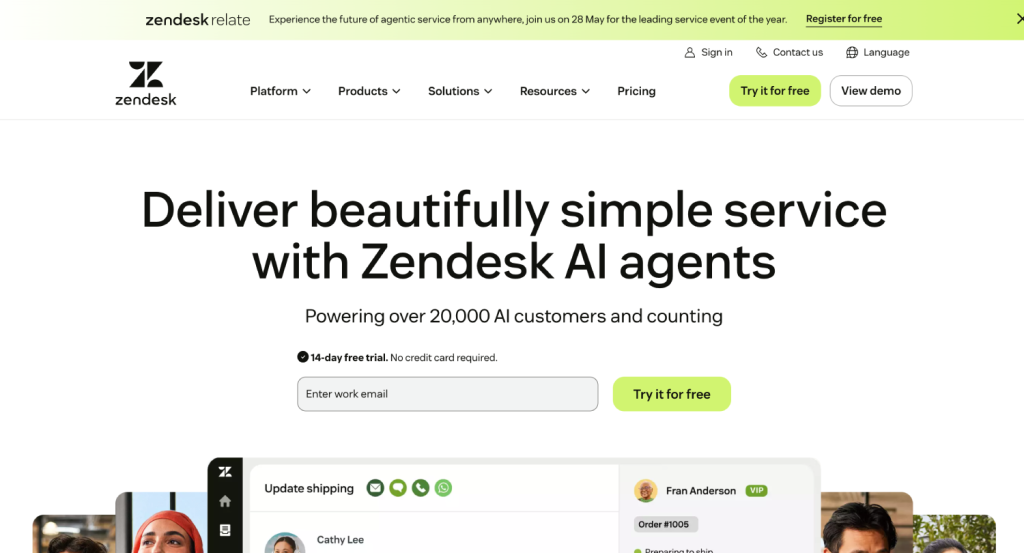
Zendesk remains the most widely deployed customer support platform among fintech teams at the growth stage, partly because of its breadth and partly because it has a long history of SOC 2 compliance and GDPR controls that regulated companies need before procurement will sign off. The ticket-based workflow maps well to dispute handling, onboarding support, and general customer queries.
Its limitation is that it is a horizontal product. It does not have native KYC case management or fraud investigation workflows out of the box. Most fintech teams supplement Zendesk with a dedicated case management layer or use its API to pull in data from their core banking or payments platform. As of Zendesk’s public pricing page, the Suite Team plan starts at $55 per agent per month billed annually, with higher tiers required for advanced reporting and custom roles.
Intercom

Intercom is a better fit when your ops team is also handling in-product conversations and you want to blend support with activation. It is the more common choice at neobanks and consumer fintech apps where the line between product and support is thin. Its AI-assisted triage has become genuinely useful for routing, though teams with complex compliance workflows often find they still need to export data into a separate system for audit purposes.
Case Management and KYC Review Platforms
Salesforce Financial Services Cloud
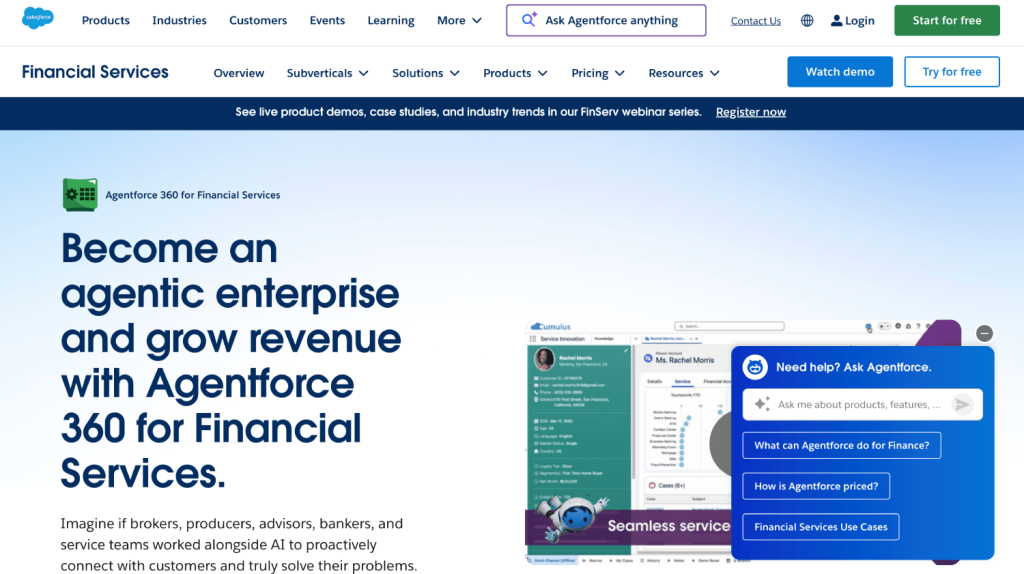
Salesforce Financial Services Cloud is the heavy option. It makes sense for ops teams that are managing ongoing customer relationships at scale, have complex compliance review processes, or are inside a larger financial institution. The configuration overhead is real, and without dedicated Salesforce admins, it underperforms. But for teams that need a single source of truth across compliance, relationship management, and case history, nothing else has the same breadth.
Hummingbird
Hummingbird is purpose-built for AML and fraud case management, which is a meaningful distinction. While Salesforce and Zendesk can be bent toward compliance use cases, Hummingbird was designed from the start around SAR filing, case workflows, and analyst queues. AML teams at fintech companies and banks use it specifically because it reduces the manual data aggregation that analysts otherwise do in spreadsheets. It is not a customer support tool. It is an investigation tool, and mixing those two categories is one of the more common fintech ops stack mistakes.
Fraud Detection and Risk Tools
Sardine
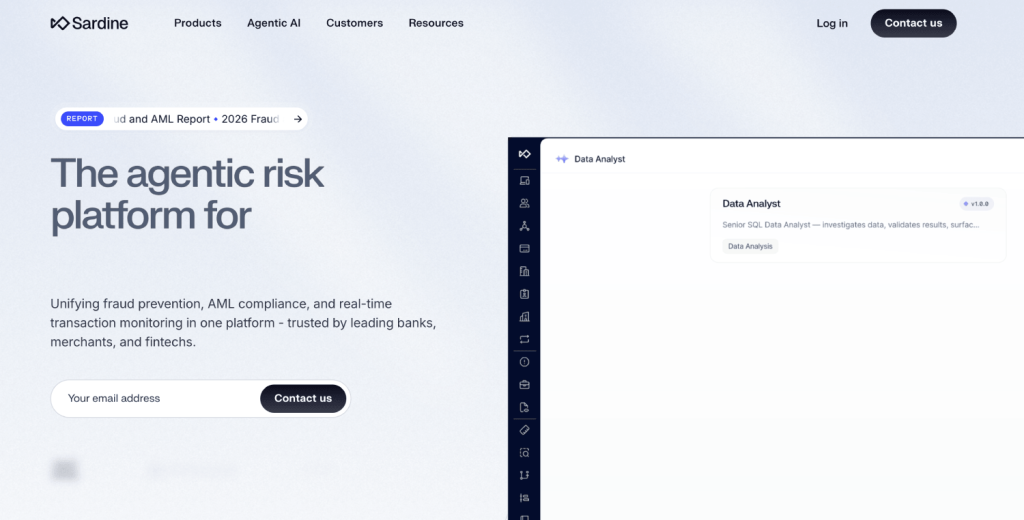
Sardine combines device intelligence, behavior biometrics, and transaction monitoring into a single API, which makes it a practical choice for fintech teams that want fraud and compliance signals in one place without integrating four separate vendors. It is particularly strong for ACH and crypto use cases where traditional card fraud tooling does not translate. For a broader comparison of fraud and risk tooling in this category, the fraud detection and risk tools guide on FintechSpecs covers how Sardine sits alongside Socure, Unit21, and others.
Unit21
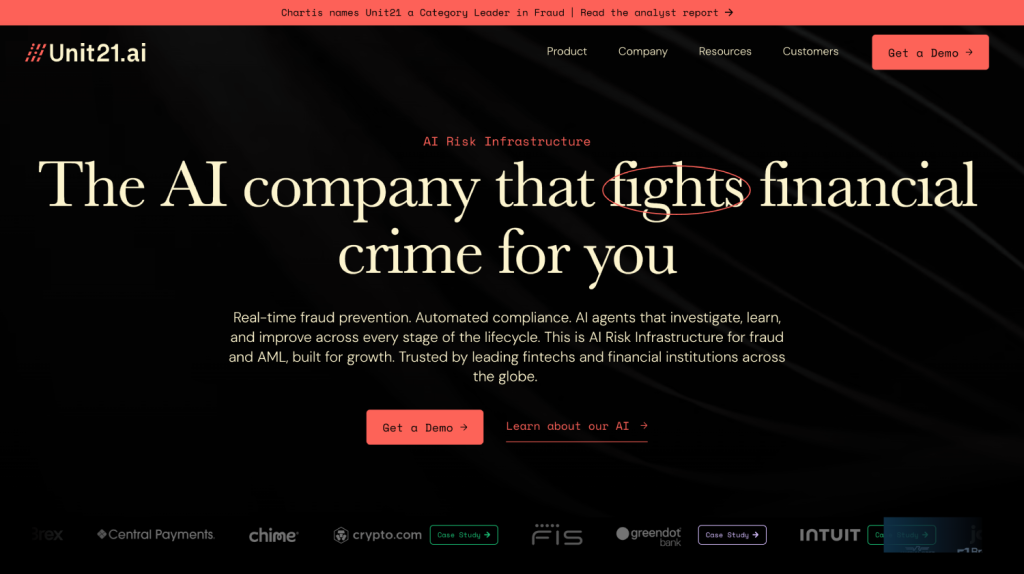
Unit21 is a no-code rules engine and case management platform for fraud and AML teams. Its value proposition is that compliance analysts can build and modify detection rules without waiting on engineering. That matters more than it sounds. At most early-stage fintech companies, the compliance team is waiting weeks for engineering bandwidth to adjust fraud thresholds. Unit21 removes that dependency for rule logic, though complex model-based detection still requires technical involvement.
Document Collection and KYC Infrastructure
Persona
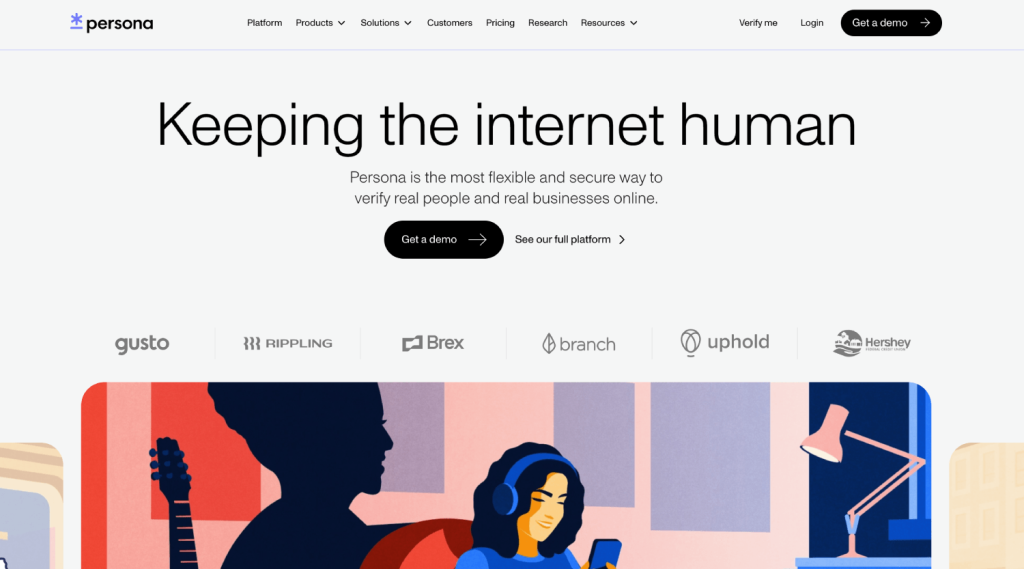
Persona has become the default choice for identity verification and document collection at growth-stage fintechs. It handles government ID verification, liveness checks, database verification, and custom KYC flows through a configurable workflow builder. The reason it appears in so many fintech ops stacks is that it sits at the intersection of product and compliance: the end user sees it as part of onboarding, while the ops team manages it as a compliance control. Persona’s pricing is usage-based and varies by verification type; the company does not publish a standard rate card publicly.
Alloy
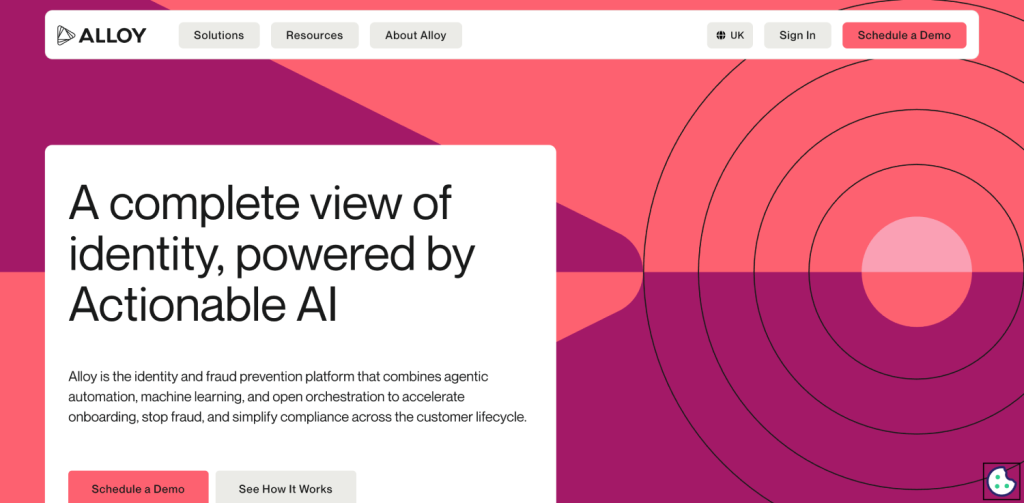
Alloy is the more common choice when a fintech team wants a decisioning orchestration layer on top of multiple identity data sources. Where Persona is strong at the UX-facing document collection layer, Alloy connects to credit bureaus, watchlist providers, and fraud signals to produce a single onboarding decision. Teams at companies built on banking-as-a-service platforms often use both, with Persona handling document capture and Alloy running the decisioning logic downstream. If you are evaluating BaaS infrastructure alongside these tools, the banking-as-a-service platform comparison covers how identity tooling connects to the core ledger.
Reporting and Financial Operations
Metabase
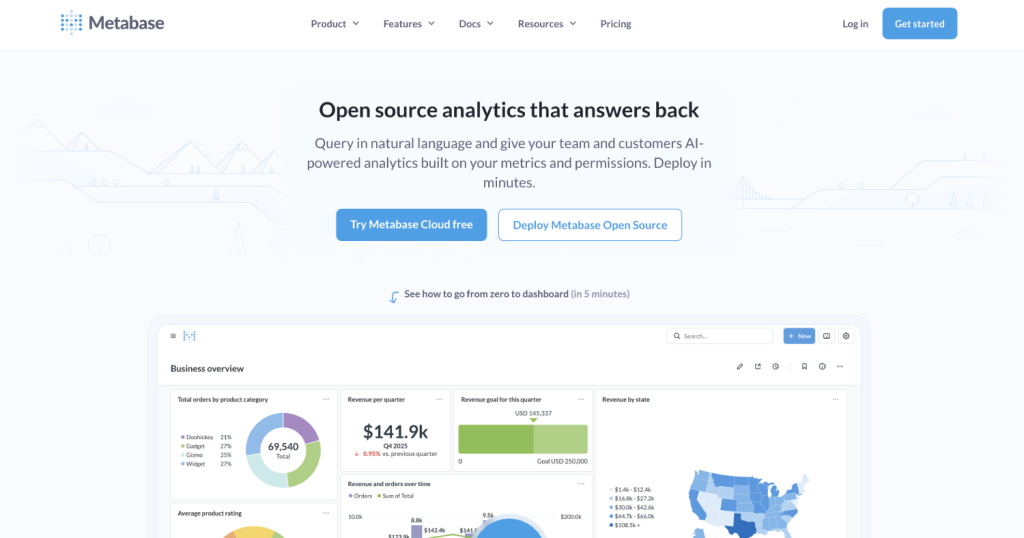
Metabase is the most common open-source BI tool in fintech ops stacks at the seed-to-Series B stage. It connects directly to your data warehouse or Postgres instance and lets non-technical ops and finance team members build dashboards without SQL. The open-source version is free to self-host; the cloud version starts at $500 per month as of their public pricing page. Most fintech ops teams use it for transaction volume dashboards, support SLA tracking, and fraud rate monitoring because it requires less engineering overhead than a full-scale tool like Looker.
Looker
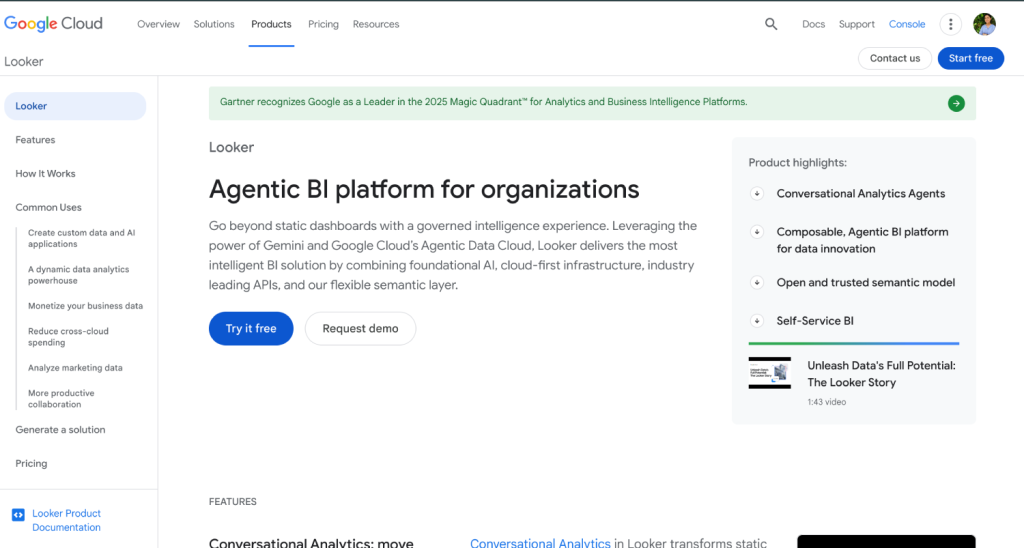
Looker (now part of Google Cloud) makes more sense when your data team is large enough to maintain a semantic layer and you need consistent metrics definitions across the company. Its LookML modeling approach means that “revenue” or “active accounts” mean the same thing in every dashboard, which matters a lot during audits or investor reporting. The trade-off is implementation complexity and cost. For smaller teams, Metabase with a well-organized warehouse often delivers 80% of the value at a fraction of the cost.
Getting reporting right has a direct line to margin. Tools that let finance teams pull accurate, reconciled data without engineering support reduce the operational overhead that quietly erodes unit economics. The hidden costs that compress fintech SaaS margins often include exactly this kind of data infrastructure inefficiency.
Workflow Automation for Fintech Ops Teams
Workato
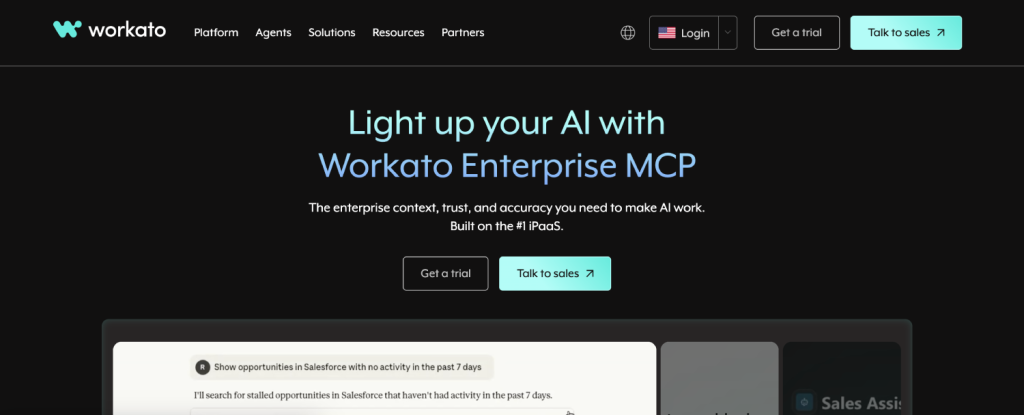
Workato is the enterprise-grade integration and automation platform most commonly adopted by fintech ops teams that have outgrown Zapier and need audit logs, role-based access controls, and more reliable error handling. It connects to Zendesk, Salesforce, Alloy, core banking systems, and data warehouses through pre-built connectors. Pricing is not publicly listed and is quoted based on usage, but it is materially more expensive than consumer-grade automation tools. That cost is often justified when a failed automation in a compliance workflow carries regulatory risk.
Retool
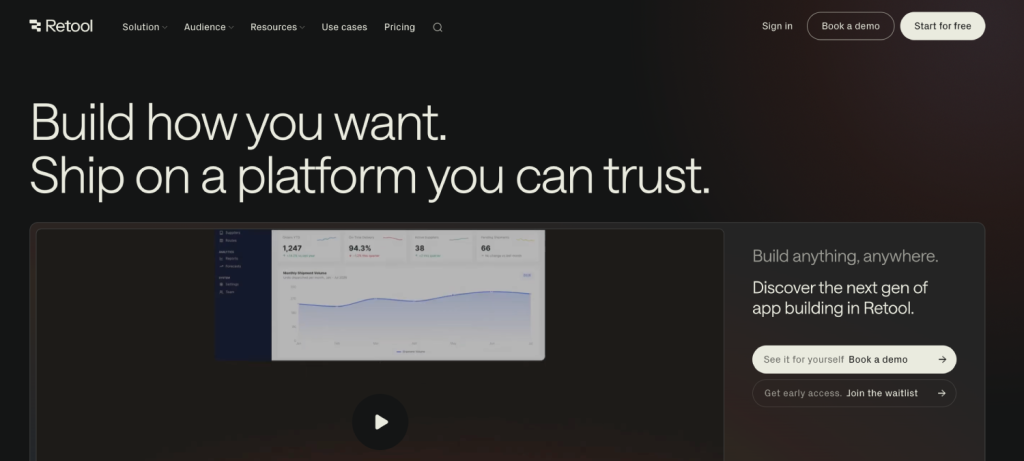
Retool occupies a specific niche that is genuinely underappreciated by fintech ops teams: internal tooling. Most fintech companies have workflows that are too specific for an off-the-shelf product but too small to justify a full engineering sprint. Retool lets you build internal admin panels, approval queues, and case dashboards on top of your existing database in hours rather than weeks. Fraud analysts reviewing flagged transactions, compliance teams approving KYC exceptions, and ops managers handling escalations all benefit from custom Retool apps that surface exactly the data they need. The free tier covers most small teams; the Team plan is $10 per user per month as of their public pricing page.
How to Think About Your Fintech Ops Stack as You Scale
The mistake most fintech teams make is buying tools reactively. Support volume spikes, so you buy Zendesk. A regulator asks a question you cannot answer quickly, so you bolt on a reporting tool. Fraud losses hit a threshold, so you add a detection layer. Each of those decisions in isolation is reasonable, but the stack that results from that process rarely has clean handoffs between tools.
A more intentional approach maps each tool to a specific function and defines where the data moves between them. Your KYC platform should feed your case management system. Your fraud tool should push signals into your support queue. Your reporting layer should read from a single warehouse, not from five different product databases. Getting to this point requires architecture decisions early, even at seed stage. If you are at the point of thinking about how your infrastructure choices affect your ability to scale without re-platforming, the fintech SaaS scale checklist lays out what those infrastructure decisions look like at each revenue threshold.
Payment infrastructure is also part of the ops stack, even if it lives with the product team. The reconciliation workflows, fee reporting, and merchant-of-record decisions all land on ops eventually. Understanding how your payment infrastructure tools connect to your back office is a practical starting point for that conversation.
Frequently Asked Questions About Fintech Ops Tools
What software do fintech operations teams use daily?
Most fintech ops teams use a combination of a customer support platform like Zendesk or Intercom, a fraud and AML tool like Unit21 or Sardine, an identity verification tool like Persona or Alloy, a BI or reporting tool like Metabase or Looker, and a workflow automation layer like Workato or Retool. The exact combination depends on whether the company is consumer-facing, what regulatory requirements apply, and how large the ops team is relative to engineering.
How much should fintech ops tooling cost at Series A?
There is no standard number, but most Series A fintech companies end up spending somewhere between $5,000 and $20,000 per month across their core ops stack once you account for support tooling, identity verification volume, fraud detection, and reporting infrastructure. The wide range reflects how much usage-based pricing varies, particularly for KYC verification tools like Persona, which charge per verification. The more useful framing is to benchmark ops tooling spend against headcount: if tooling is replacing two or three manual compliance reviews per day, the cost is usually justified well before it becomes a budget conversation. Teams that delay investment to save on tooling often find that the manual labor cost and compliance risk exposure are more expensive than the software would have been. The hidden costs guide covers several of these tradeoffs in detail.
What are fintech operations exactly?
Fintech operations refers to the day-to-day processes that keep a financial technology company running behind the product: customer support, KYC and onboarding reviews, fraud investigation, dispute handling, financial reconciliation, compliance monitoring, and internal workflow management. At small companies, one or two people cover all of it. At Series B and beyond, these functions typically split into separate specialized teams.
At what stage should a fintech company invest in purpose-built ops tools?
Most teams feel the gap between generic and purpose-built tooling around Series A, when transaction volume starts to generate real fraud cases, when regulators start asking questions, and when customer support volume exceeds what ad hoc tools can handle. Waiting until Series B to address this often means the team has already accumulated technical debt in their compliance workflows that is expensive to unwind.
What back office tools do fintech companies commonly use?
Back office tools in fintech typically cover four areas: case management and compliance review (Hummingbird, Salesforce Financial Services Cloud), fraud detection (Sardine, Unit21), identity and document verification (Persona, Alloy), and reporting and analytics (Metabase, Looker). Workflow automation tools like Workato and internal tooling builders like Retool sit across all of these layers to connect data and reduce manual steps.
Can fintech ops teams use off-the-shelf tools like Zapier and Notion?
For early-stage teams, yes, with caveats. Zapier works for lightweight automation, and Notion is fine for documentation. The problems emerge when these tools are used to manage compliance-sensitive workflows that require audit logs, role-based access, and guaranteed data retention. A failed Zap in a KYC exception approval flow carries a different kind of risk than a failed automation in a marketing campaign, and most teams find they need to graduate to more controlled tooling sooner than expected.
How do fintech workflow tools connect to payment infrastructure?
Most fintech workflow tools connect to payment infrastructure via APIs or webhooks. A fraud tool like Sardine can receive transaction events in real time and push risk scores back to the payment processor. A reporting tool like Metabase pulls from a warehouse that ingests payment data from Stripe, Adyen, or whatever processor the company uses. The cleaner your payment infrastructure is at the source, the less work your ops team does downstream to reconcile data or investigate anomalies.
The Stack Is an Architecture Decision, Not a Shopping List
The tools in this list are well-regarded for specific reasons in specific contexts. But buying all of them, or even half of them, without a clear picture of how data flows between them produces the same operational chaos as using generic tools. The fintech ops teams that run cleanly are not necessarily the ones with the most tools. They are the ones that have decided, deliberately, where each tool begins and ends.
Ops tooling also has real margin implications that show up in the numbers over time. Every manual step in a compliance or support workflow has a labor cost. Every duplicate data source creates reconciliation overhead. Every poorly integrated fraud tool generates false positives that someone on your team has to review. The fintech companies that scale without breaking ops tend to be the ones that made deliberate infrastructure choices early, before the cost of changing them became prohibitive.