
TLDR
- Most AR suites give disputed invoices a status flag, not a resolution workflow. Those are different things, and the gap costs cash.
- Invoice dispute management software assigns case ownership, tracks evidence, and enforces resolution deadlines. A workflow field does not.
- Short-pay resolution and deductions management require separate logic from standard collections because the payment already arrived, just short.
- The five tools below were evaluated on case ownership, evidence attachment, deduction coding, ERP integration depth, and audit trail completeness.
- Pricing across this category is almost entirely custom. Any vendor quoting a standard number without asking about your volume and ERP should be treated as a starting estimate, not a commitment.
The five best invoice dispute management software platforms for B2B AR teams are HighRadius, Billtrust, YayPay (now part of Quadient), Invoiced, and Esker. Each assigns case ownership to a specific dispute, captures supporting documents against that case, and produces an audit trail a controller can defend. Deductions management and short-pay resolution require this structure. A generic AR queue does not provide it.
Why Standard AR Workflows Fail on Invoice Disputes
When a customer pays $47,200 on a $50,000 invoice and codes the difference as a pricing dispute, your AR system records a $2,800 short pay. What it almost never does is open a case, assign an owner, timestamp the reason code, and start a resolution clock. Those four steps are what separates dispute management software from a collections queue with an extra column.
Short pays and deductions sit in a different category from unpaid invoices because the customer has already acted. They made a decision, expressed it in a payment, and moved on. Chasing them through a standard dunning flow treats a resolved-in-their-mind transaction as an overdue one, which damages the relationship and rarely recovers the money. The right workflow starts with classification: pricing dispute, quantity claim, damaged goods, promotional allowance, early-pay discount taken late. Each code routes differently.
AR teams operating in consumer goods, distribution, or manufacturing see this problem at scale. A single large retail buyer can generate dozens of deductions per month, each with a different reason code and a different internal owner at both companies. Without a system built for this, analysts spend their time matching remittance PDFs to deduction codes manually, which is exactly the kind of work that causes AR headcount to scale linearly with revenue.
If you are evaluating broader AR automation and not just dispute management, the full picture of accounts receivable automation tools for B2B SaaS covers adjacent tooling including cash application, collections sequencing, and payment portals.
What Should Invoice Dispute Management Software Actually Do?
The FintechSpecs Dispute Resolution Stack is a four-layer framework for evaluating whether a tool is built for disputes or just wearing dispute language as a marketing overlay.
Layer 1: Case creation and ownership. Every dispute or deduction gets a case ID, an assigned owner with a due date, and a status that is not just “open” or “closed.” Substates matter: under review, escalated, awaiting customer response, approved for credit, denied with documentation.
Layer 2: Evidence management. The case must hold supporting documents natively, not as links to a shared drive. Remittance advice, purchase orders, delivery confirmations, and email threads need to live inside the dispute record so any team member picking up the case has the full picture.
Layer 3: Reason code taxonomy. The software needs a configurable library of deduction and dispute codes that map to your customers’ reason codes. If a Home Depot deduction comes in as code 5 and your system only understands “pricing dispute,” you are creating a translation layer in a spreadsheet.
Layer 4: Resolution controls and audit trail. Write-offs, credit memos, partial approvals, and denials need to flow back to the ERP with a timestamped record of who approved what and why. This is what a controller looks at during a close, and what an auditor looks at during a review.
A system that handles all four layers is dispute management software. A system that handles one or two is an AR tool with a dispute feature.
Comparison Table: Invoice Dispute Management Software for B2B AR Teams
| Vendor | Best For | Case Ownership | Deduction Coding | Evidence Attachment | ERP Integration | Pricing |
|---|---|---|---|---|---|---|
| HighRadius | Enterprise AR with high deduction volume | Yes, with SLA timers | Configurable, AI-assisted | Native document management | SAP, Oracle, NetSuite | Custom, not disclosed |
| Billtrust | Mid-market to enterprise with multi-ERP environments | Yes | Configurable | Yes | SAP, Oracle, NetSuite, Dynamics | Custom, not disclosed |
| Quadient AR (YayPay) | Mid-market B2B with active dispute queues | Yes | Standard and custom codes | Yes | QuickBooks, NetSuite, Sage, Xero | Custom, not disclosed |
| Invoiced | Smaller B2B teams needing dispute tracking without enterprise overhead | Partial (via custom workflows) | Limited | Yes | QuickBooks, NetSuite, Xero | Custom; as of their public pricing page, plans start around $500/month , confirm current pricing and feature scope directly with the vendor |
| Esker | AR teams embedded in order-to-cash or procure-to-pay workflows | Yes | Configurable | Native document management | SAP, Oracle, Salesforce | Custom, not disclosed |
1. HighRadius: Best Invoice Dispute Management System for High-Volume Deductions
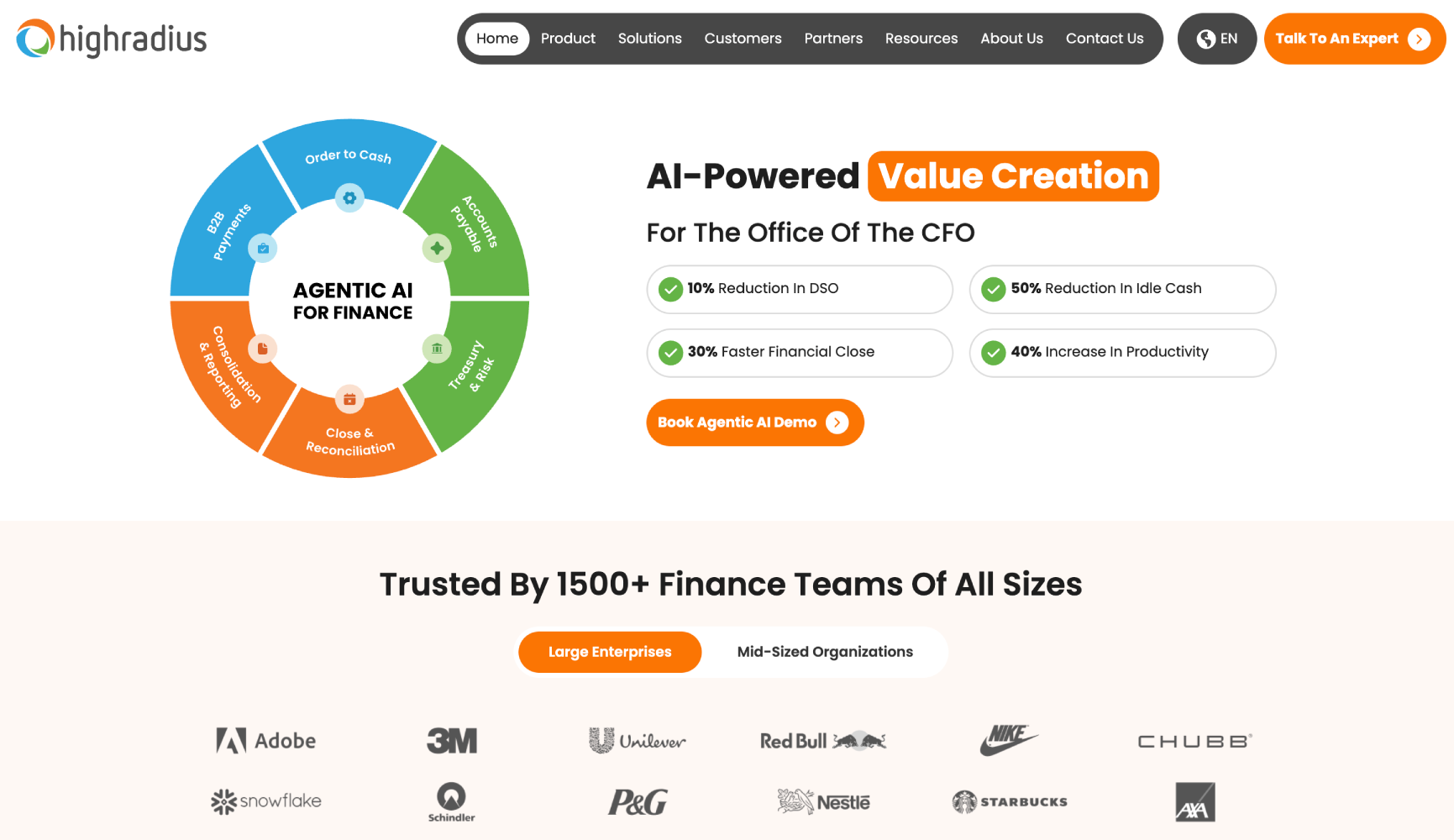
HighRadius is the most purpose-built option on this list for teams dealing with hundreds of deductions per month. Its deductions management module creates a case for every short pay, pulls in remittance data automatically, and uses AI to suggest a reason code based on transaction history with that customer. That suggestion is not always right, but it cuts the time an analyst spends classifying disputes before they can even start resolving them.
The case management layer is genuinely structured. Each dispute gets a due date, an assigned analyst, a status ladder, and a document record. Managers see a real-time queue with aging, which matters because a 90-day-old dispute is statistically harder to recover than a 30-day-old one. HighRadius surfaces that aging visibly rather than burying it in an export.
The trade-off is implementation complexity. HighRadius integrates deeply with SAP and Oracle, which means the setup requires IT involvement and a formal implementation engagement. Teams on simpler ERP stacks or those under 50 disputes per month will pay for capabilities they cannot use. HighRadius does not publish pricing publicly; every contract is negotiated based on volume, modules selected, and ERP environment.
2. Billtrust: Best for Multi-ERP Environments and Buyer Network Access
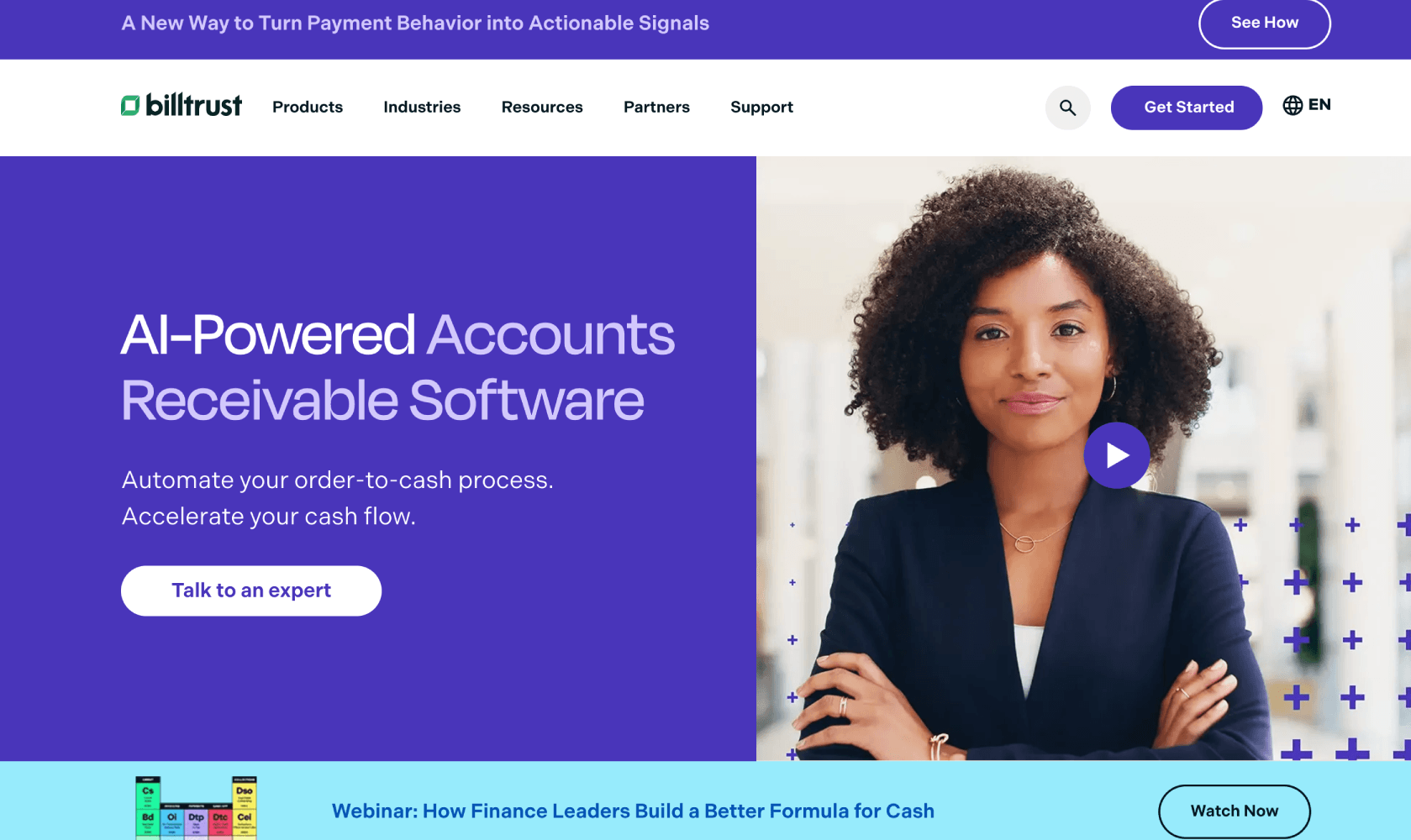
Billtrust covers the full order-to-cash lifecycle and its dispute module sits inside that broader workflow rather than as a standalone product. That matters because disputes rarely live in isolation. A pricing dispute often traces back to a purchase order mismatch, which traces back to a contract term, which traces back to a document that should have been in the invoice package. Billtrust keeps those threads connected.
The platform also operates a business payments network, which means buyers and sellers who both use Billtrust can exchange dispute data electronically rather than over email. For companies whose customers include large buyers on that network, this closes resolution loops faster because the customer’s AP system and your AR system are talking directly.
Billtrust serves mid-market to enterprise accounts and supports SAP, Oracle, NetSuite, and Microsoft Dynamics. Pricing is custom and not disclosed publicly. Teams evaluating Billtrust should ask specifically about their deductions management configuration depth, since the experience varies by industry and the platform is not as prescriptive as HighRadius in its deduction code setup out of the box.
3. Quadient AR (YayPay): Best for Mid-Market Teams with Active Dispute Queues
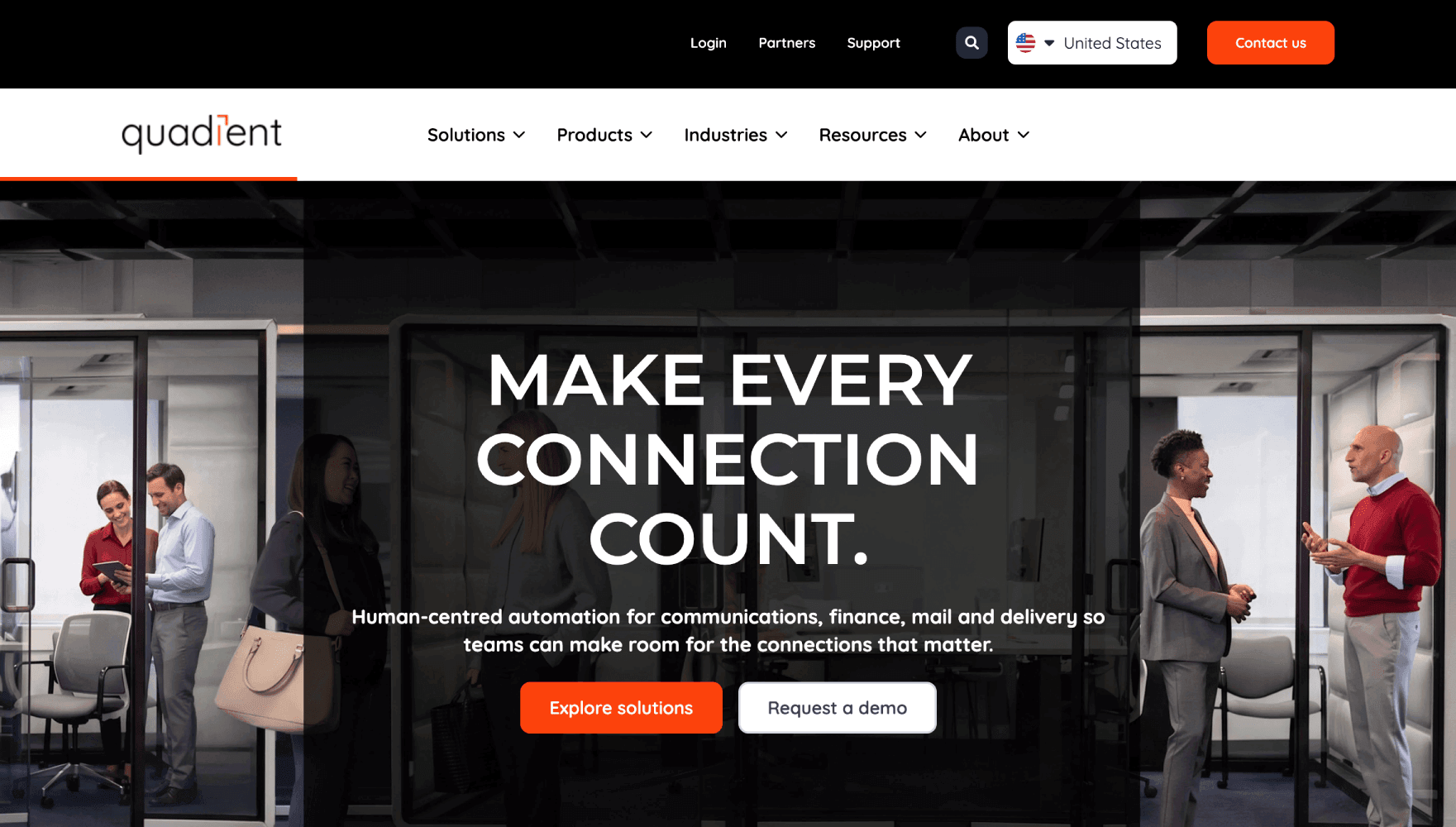
Quadient AR, which absorbed YayPay, occupies the space between enterprise platforms like HighRadius and lighter tools like Invoiced. It is built for AR teams with active dispute and collections workflows but without the IT resources to run a six-month implementation. The interface is task-oriented: an AR analyst opens their queue each morning, sees disputes ranked by age and value, and works through them without needing a manager to generate a report first.
Dispute cases in Quadient AR support document attachments, internal notes, customer-facing communications, and status tracking. The reason code library is configurable, though it does not carry the AI-assisted classification that HighRadius offers. For teams where manual classification is acceptable, that is not a gap. For teams processing 500-plus deductions per month, it becomes a bottleneck.
ERP integrations include QuickBooks, NetSuite, Sage, and Xero, which makes it a realistic option for companies that have not deployed SAP or Oracle. Pricing is not published; Quadient quotes based on company size and usage. Mid-market companies with $50M to $500M in revenue and 10 to 50 disputes per week represent the target segment where this platform tends to fit cleanest.
4. Invoiced: Best for Smaller B2B Teams That Need Dispute Tracking Without Enterprise Overhead
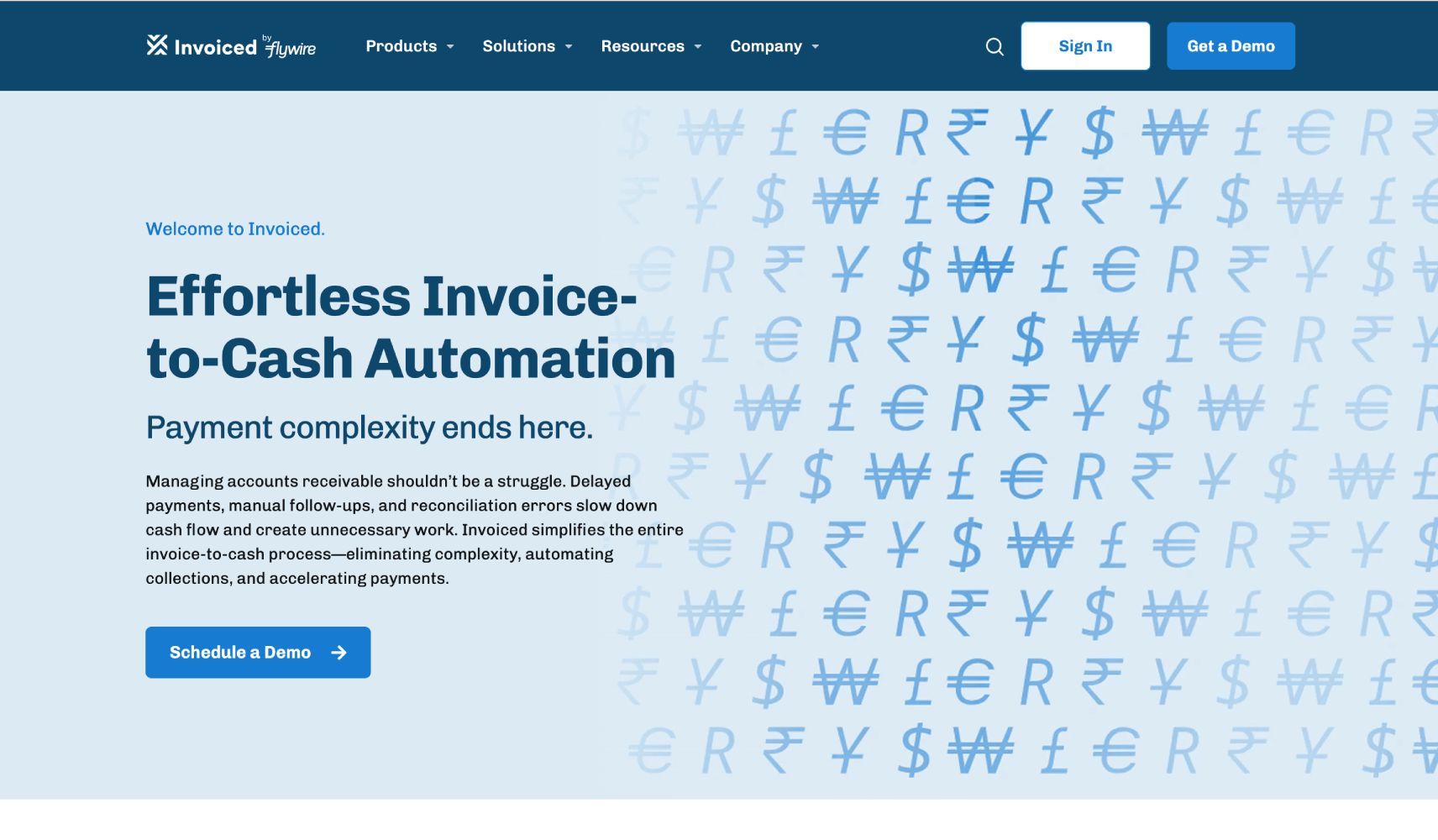
Invoiced handles invoicing, collections, and cash application, with dispute tracking layered in through its workflow and notes system. It is not a purpose-built dispute management platform in the way HighRadius is, but for teams running 10 to 30 disputes per month, the gap in sophistication may not matter.
The platform lets AR staff flag invoices as disputed, attach documents, leave internal notes, and track resolution through customizable workflow stages. Reason code taxonomy is limited compared to enterprise platforms; teams with complex deduction structures from large retail or distribution buyers will hit that ceiling quickly. ERP connectivity covers QuickBooks, NetSuite, and Xero.
Invoiced is one of the few vendors in this category that shows any pricing signal publicly. As of their public pricing page, plans start around $500 per month, though pricing scales with features and volume and should be confirmed directly with the vendor. For a Series A company with a 2-person AR team and a manageable dispute queue, the lower entry point matters. For a Series C company whose CFO is tracking dispute recovery rates as a metric, the tool will not scale to the reporting depth needed.
5. Esker: Best for AR Teams Inside a Broader Order-to-Cash or Procure-to-Pay Operation
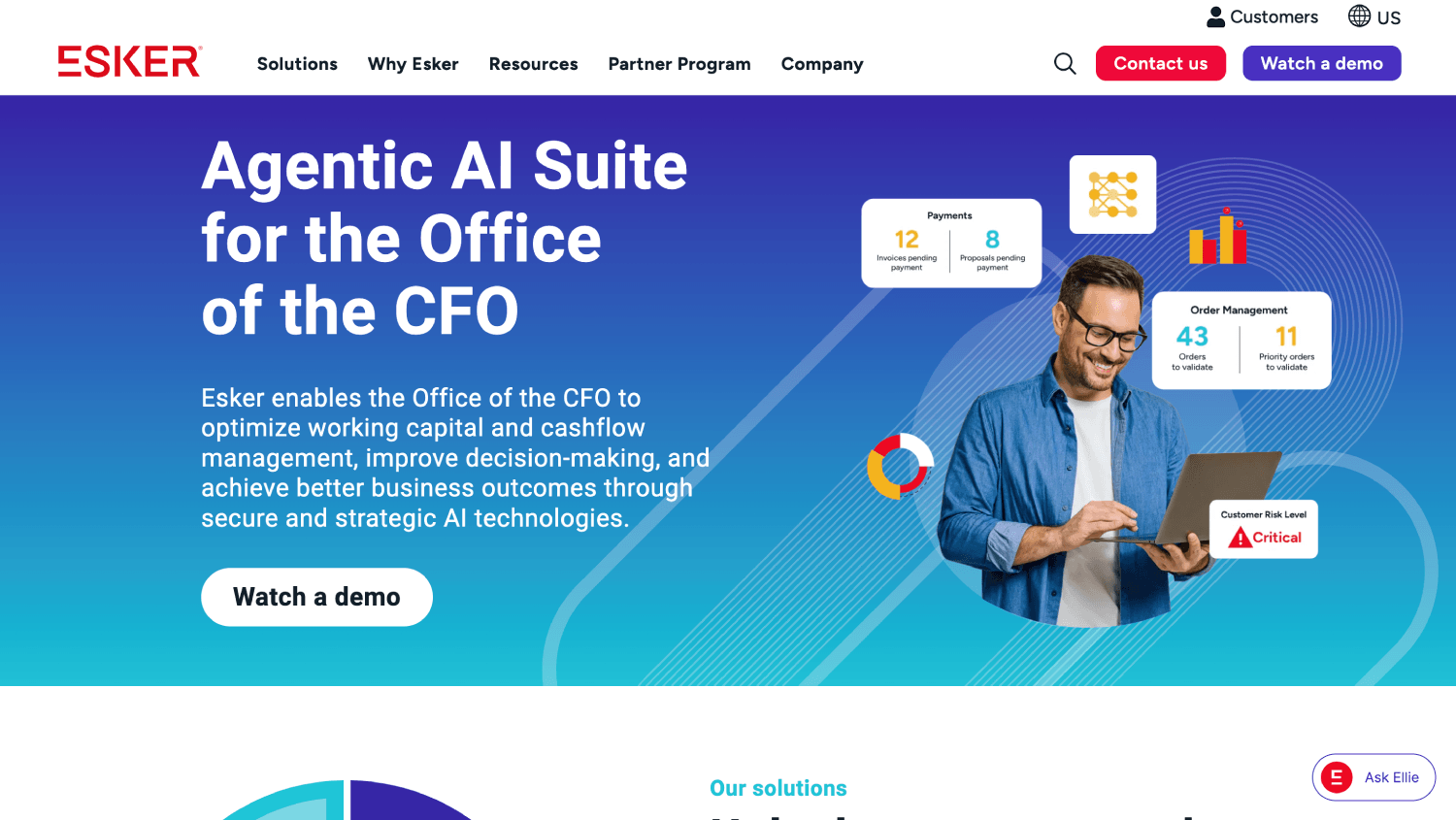
Esker is primarily known for its document process automation across both AP and AR, which means its dispute management module benefits from document context that pure AR tools lack. When a customer disputes an invoice over a delivery discrepancy, the proof-of-delivery document is already in Esker if your team is using it for order management. That document does not need to be hunted down and manually attached to the dispute case.
Case management in Esker follows the four-layer structure: case creation, document attachment, reason coding, and resolution with ERP writeback. SAP and Oracle integrations are mature. The platform also supports Salesforce, which is relevant for AR teams that work closely with account managers who need visibility into customer dispute history before renewal calls.
Esker is an enterprise product with enterprise pricing. The company does not publish rates, and implementation timelines for a full order-to-cash deployment are measured in months. Teams evaluating Esker for dispute management alone, without interest in the broader document automation capabilities, may find the platform overbuilt for the scope. It earns its place on this list for companies where dispute management is one piece of a larger process modernization.
How to Structure a Short-Pay Resolution Workflow Before You Buy Software
The most common mistake companies make before evaluating dispute software is trying to map their current process into the tool. If the current process is an analyst manually matching remittance PDFs to open invoices in a spreadsheet, that process is the problem. Software built on top of a broken process inherits the breaks.
Before any vendor demo, document three things: who currently owns a dispute once it is created, what evidence is required before a dispute can be approved or denied, and how long a dispute is allowed to sit before escalation. Those three answers define the minimum viable dispute workflow. Any platform that cannot support those requirements should be removed from the shortlist immediately, regardless of other features.
Consider a hypothetical mid-market distributor processing $80 million in annual AR with roughly 200 short pays per month. At an average deduction value of $1,500, that is $300,000 per month in unresolved cash. If the team is currently recovering 60% of valid disputes and writing off the rest due to lack of documentation or time, moving that recovery rate to 75% , an improvement that structured case management and evidence workflows are designed to support , would generate $45,000 in additional recovered cash per month in this scenario. At that scale, the ROI calculation on purpose-built dispute software is straightforward, even at enterprise pricing. Actual recovery gains will vary based on dispute type, customer mix, and existing process maturity.
AR operations sit directly adjacent to collections and cash application, all of which feed into broader finance operations. For a view of what high-performing AR and finance stacks look like across the full invoice-to-cash cycle, the breakdown of B2B collections software for unpaid invoice recovery and the analysis of cash application software for auto-matching B2B payments to invoices are worth reading alongside this evaluation.
What Features Should You Prioritize in an Invoice Dispute Management System?
The honest answer: prioritize based on your largest source of dispute volume. If 70% of your disputes come from one retail customer with complex promotional allowance deductions, your priority is reason code configurability and integration with that customer’s EDI or AP portal. If your disputes are spread across hundreds of small customers and the main issue is tracking them to resolution, case ownership and aging reports matter more.
Five features separate serious dispute platforms from AR tools with dispute fields:
- Deduction auto-population from remittance data, so disputes are created from the payment itself, not from a manual entry after the fact.
- Customer-specific reason code mapping, so a code 5 from one buyer and a code 12 from another both correctly classify as pricing disputes in your system.
- Native document storage within the case record, not an external link that breaks when a file moves.
- ERP writeback on resolution, so credit memos and write-off approvals flow to the GL without a second data entry step.
- Role-based approval workflows, so a $500 dispute gets resolved by an analyst and a $50,000 dispute escalates to a manager automatically.
Secondary features include AI-assisted classification, customer portal access for buyers to submit dispute evidence directly, and analytics dashboards that show dispute recovery rates by customer, reason code, and analyst. Those features add value, but they do not replace the five foundational ones.
Finance and AR leaders evaluating operational tooling more broadly may also find the analysis of tools fintech ops teams actually use daily relevant, particularly for understanding where dispute management fits within a full finance stack.
Deductions Management vs. Invoice Dispute Management: What Is the Difference?
Deductions management is the subset of invoice dispute management that applies specifically to short pays taken by a customer before or at the point of payment. The customer deducts an amount from an invoice and pays the remainder, often citing a promotional allowance, damaged goods credit, quantity discrepancy, or pricing disagreement. The deduction is a unilateral action by the buyer.
Invoice dispute management is the broader category, covering any situation where an invoice is contested. That includes disputes raised before payment (a customer refuses to pay until a discrepancy is resolved) as well as after payment (a short pay already taken). Deductions are always paid disputes. Not all disputes involve a payment yet.
The practical difference in software terms is that deductions management requires remittance matching logic. The system needs to read an incoming payment, identify that it is $2,800 short of the invoice amount, create a deduction case automatically, and tag it with whatever reason code the customer provided in the remittance. Tools that handle this automatically are qualitatively different from tools that require an analyst to create the dispute case by hand after noticing the short pay in the bank feed.
Frequently Asked Questions About Invoice Dispute Management Software
What is invoice dispute management software?
Invoice dispute management software is a category of accounts receivable tooling that creates a structured case for each disputed invoice or short payment, assigns an owner, stores supporting documents, tracks resolution status, and writes the outcome back to an ERP. It is distinct from general AR automation, which handles invoicing, collections sequencing, and cash application but typically does not manage the evidence and approval workflow a contested payment requires.
How does deductions management software handle short pays?
When a customer pays less than the invoiced amount, deductions management software reads the remittance data, matches it to the open invoice, calculates the short pay amount, creates a deduction case with the customer’s reason code, and assigns it to an AR analyst. The best platforms do this automatically at the point of cash application, so the dispute exists in the system before anyone manually identifies it. Resolution flows through the case record and writes back to the ERP as a credit memo, write-off, or reapplied payment.
How is invoice dispute management different from chargeback management?
Chargeback management applies to card-based transactions disputed through a card network. Invoice dispute management applies to B2B trade transactions, typically paid by ACH, check, or wire, where there is no card network intermediary. The resolution process for a B2B invoice dispute is bilateral, between buyer and seller, with no issuing bank or card network involved. The software requirements are also different: chargeback management tools interface with card network portals and evidence deadlines, while invoice dispute management tools interface with ERPs and AR workflows. For comparison on the chargeback side, the analysis of chargeback management tools for B2B SaaS and fintech covers that category separately.
Can my existing ERP handle invoice disputes without a dedicated tool?
ERPs like SAP, Oracle, and NetSuite have dispute or deduction modules, but they vary significantly in sophistication. SAP’s Dispute Management module is purpose-built and functional. NetSuite’s native dispute handling is more limited and typically requires a third-party AR overlay to get case ownership, reason coding, and document management at scale. If your ERP’s dispute module meets the four-layer test described above, a third-party tool adds cost without adding capability. Most mid-market ERPs do not meet that test without customization.
What pricing should I expect for invoice dispute management software?
No major vendor in this category publishes standard pricing publicly. HighRadius, Billtrust, Quadient AR, and Esker all quote based on volume, modules, and ERP environment. Invoiced is a partial exception, with pricing signals starting around $500 per month as of their public pricing page, though the dispute management depth at that tier is limited. Enterprise platforms with full deductions management, AI classification, and ERP writeback typically require six-figure annual contracts. Teams should request pricing based on their monthly dispute volume, not their total AR volume, since dispute software is priced on cases, not invoices.
How long does implementation take for invoice dispute software?
Enterprise platforms like HighRadius and Esker with deep ERP integrations typically require three to six months to implement fully, including data mapping, reason code configuration, and user training. Mid-market tools like Quadient AR can be live in four to eight weeks. Invoiced implementations for smaller teams are often completed in days to weeks. The main variable is ERP complexity, not platform complexity. A company on SAP with custom fields and multiple company codes will take longer than a company on NetSuite with a standard configuration, regardless of which dispute software they choose.
Should an AR team or an order-to-cash team own dispute management software?
In most B2B companies, dispute management software sits with the AR team operationally, with order-to-cash leaders owning the process design and reporting. When disputes involve pricing discrepancies or contract terms, resolution requires input from sales or account management. The software should support role-based access so non-AR users can view and comment on cases without having full AR system access. If your disputes frequently escalate to sales or legal, that escalation path should be built into the platform configuration before go-live, not retrofitted after the tool is in production.
Which Invoice Dispute Management Tool Is Right for Your AR Team?
The answer tracks almost directly to dispute volume and ERP environment. High-volume deductions teams on SAP or Oracle, particularly in consumer goods, distribution, or manufacturing, should evaluate HighRadius first. Its AI-assisted classification and SLA-driven case management are built for that specific problem at that specific scale. Billtrust is the stronger choice when the ERP environment is mixed or when buyer network connectivity matters. Quadient AR earns the shortlist for mid-market teams that need a faster implementation and a task-oriented interface over deep configurability. Esker belongs on the list for companies already using it for document automation across other parts of the order-to-cash cycle. Invoiced is the right starting point for smaller teams that need basic dispute tracking without committing to enterprise contracts or implementation timelines.
What most AR teams discover after going through this evaluation is that their real gap is not features, it is process definition. Software cannot assign case ownership if the organization has not decided who owns a dispute. It cannot enforce resolution timelines if no one has set them. The FintechSpecs Dispute Resolution Stack framework is useful here: run your current process against the four layers before any vendor demo. The layers you are missing tell you exactly what to ask vendors to demonstrate.
AR teams that clear that gap first, then select software to enforce it, recover more disputed cash and spend less time arguing about who owns a 90-day-old deduction. That is a better outcome than any feature comparison can deliver on its own.