
TLDR
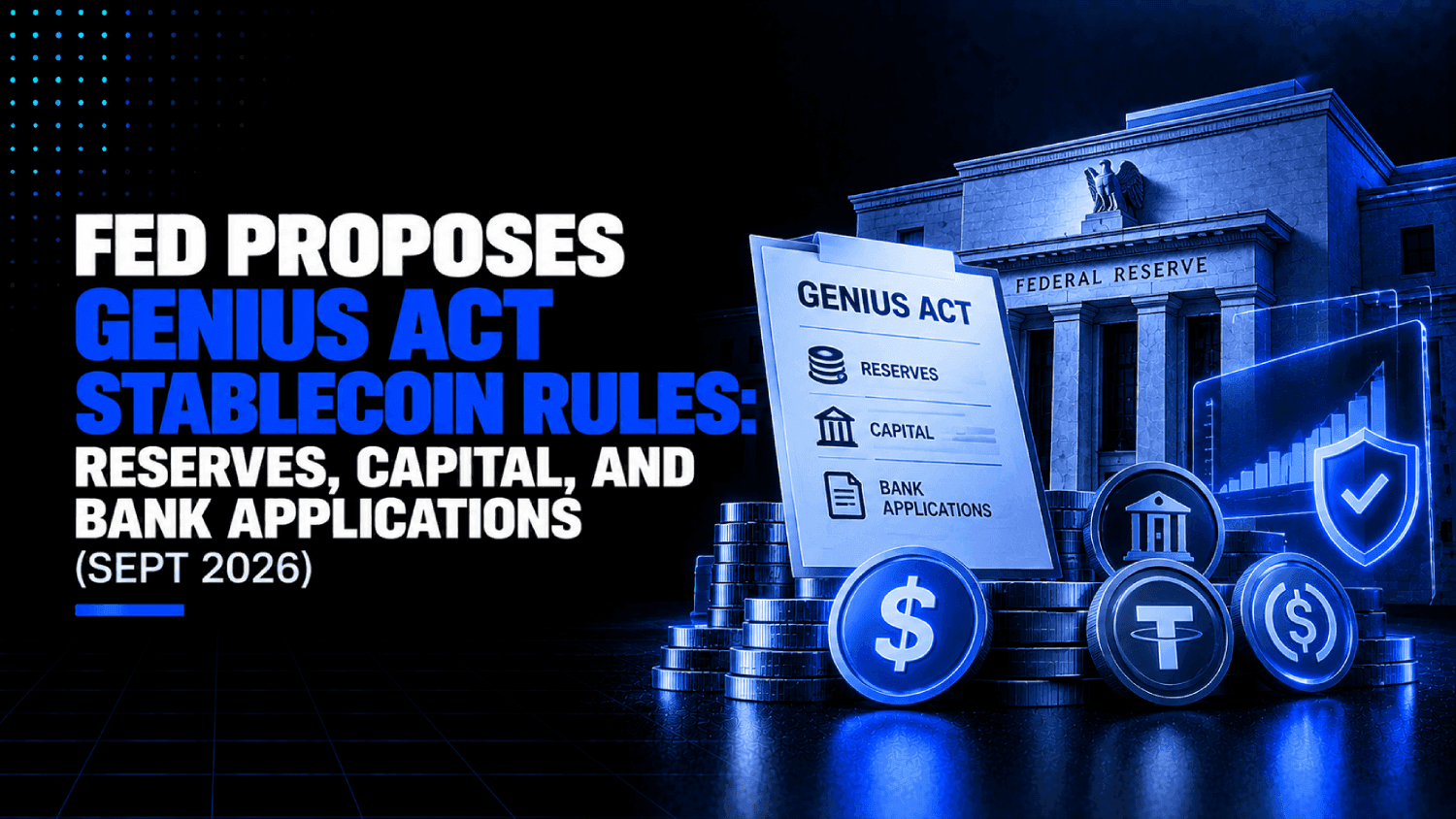
- On Sept. 24, 2026, the Federal Reserve Board requested public comment on two GENIUS Act proposals for Board-supervised payment stablecoin issuers: (1) reserves, capital, risk management, custody, and permitted activities; (2) a tailored application process for insured state member banks seeking approval for a subsidiary to issue payment stablecoins.
- With the Fed on the table, banks can now compare three federal paths: OCC (national banks / subsidiaries), FDIC (state nonmember banks), and Fed (state member banks), each implementing the same GENIUS Act with its own approval and supervisory package (PYMNTS).
- Governor Michael S. Barr supported the proposals as a step toward reliable par redemption under stress, flagged interest-rate and foreign-currency risk questions for comment, and objected to a “significant or systemic” bar on AML supervisory action.
- Comment period: 60 days after Federal Register publication. GENIUS Act effective-date math still points toward an outer runway around January 2027 unless final rules land earlier (FinTech Edition).
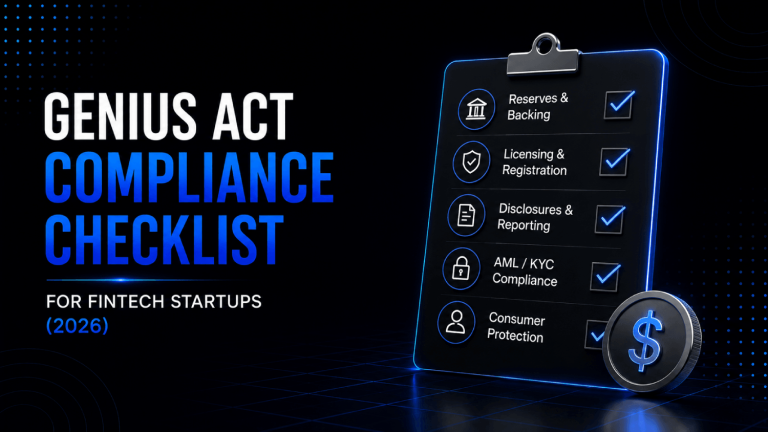
- This is a prudential / charter-path news explainer, not a rewrite of FintechSpecs’ SoFi × Mastercard SoFiUSD settlement, OCC Bastion / Catena / Agora trust banks, or the evergreen GENIUS Act compliance checklist. Ask which supervisor you will live with, what reserve and capital stack you can fund, and whether your redemption and AML programs survive the final rule.
Sept. 24, 2026 closes a gap operators have been watching since spring. The Federal Reserve Board put its GENIUS Act implementing proposals out for comment: one on how Board-supervised permitted payment stablecoin issuers (PPSIs) must hold reserves, hold capital, manage risk, and safekeep backing assets; another on how an insured state member bank applies for Board approval so a subsidiary can issue payment stablecoins (Fed press release; implementing NPR PDF; applications NPR PDF).
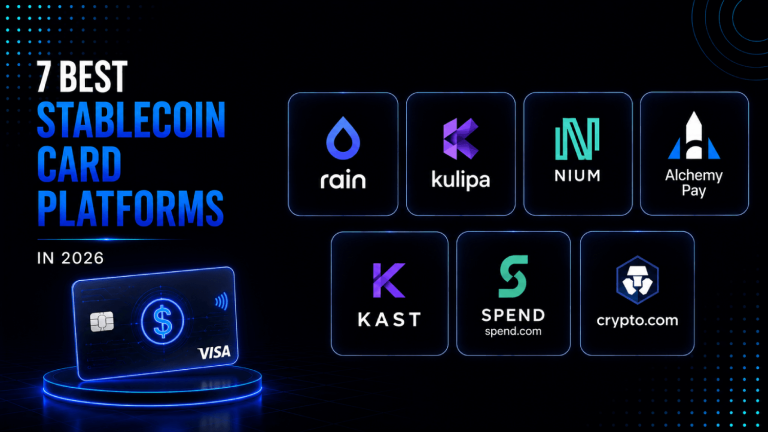
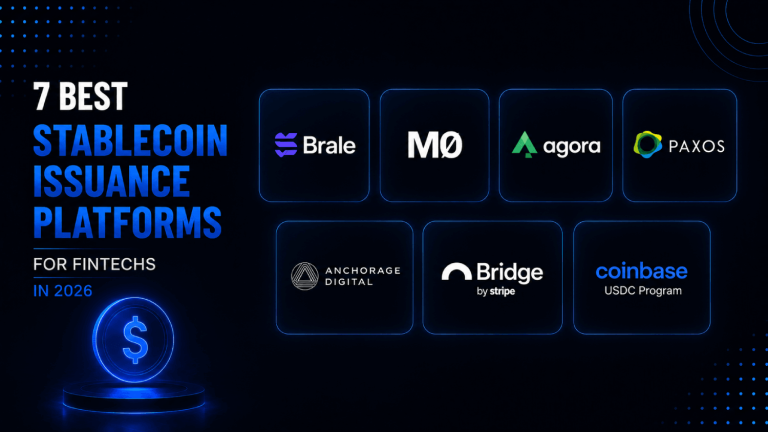
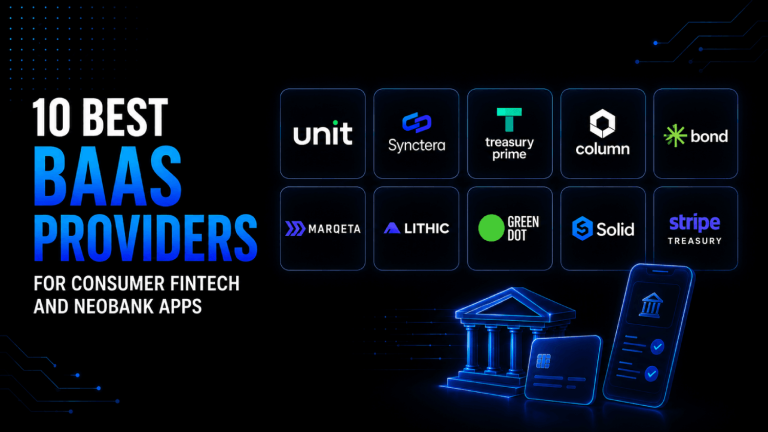
For FintechSpecs operators, the story is not “crypto got another memo.” It is whether a bank or fintech can now price the work of issuing a payment stablecoin under a known federal supervisor, pick a charter path, and build toward a January 2027-era effective date without redesigning capital and custody twice. That sits next to best banking-as-a-service platforms, best sponsor banks for fintech startups, best stablecoin infrastructure providers, best stablecoin issuance platforms, and the GENIUS Act compliance checklist. It is distinct from SoFi’s live Mastercard SoFiUSD settlement (product go-live) and from OCC national trust bank charters for Bastion, Catena, and Agora (charter approvals, not Fed reserve/capital NPRs).
What the Federal Reserve put out on Sept. 24, 2026
Per the Fed Board press release:
- Proposal 1 (prudential framework): Board-supervised payment stablecoin issuers would fully back stablecoins with certain permissible reserve assets, such as short-term Treasury bills and other high-quality liquid assets. The proposal would also set standardized capital requirements for credit and operational risks of payment stablecoin activities, plus risk management standards, rules for firms that safekeep reserve assets, and clarity on which stablecoin-related activities Board-supervised banks may undertake.
- Proposal 2 (applications): A tailored process for Board-supervised banks applying to issue payment stablecoins through a subsidiary. Applicants would submit a business plan and financial information, among other documents. The proposal also covers appeals, hearings, and final determinations.
- Comment window: closes 60 days after publication in the Federal Register.
Board memos and Federal Register notices are linked from the same release (Board memo R-1899; Board memo R-1900; R-1899 NPR PDF; R-1900 NPR PDF).
Background operators should keep straight from the board materials: the GENIUS Act was enacted July 18, 2025, creates the PPSI construct, and generally prohibits non-PPSI issuance of payment stablecoins in the United States. The Act’s effective date is the earlier of January 18, 2027, or 120 days after the primary federal payment stablecoin regulators issue any final implementing regulations.
What Governor Barr emphasized
Governor Michael S. Barr’s accompanying statement is the operator-facing risk brief:
Stablecoins will only be stable if they can be reliably and promptly redeemed at par in a range of conditions. This includes during market stress, when pressure can be put on the value of even otherwise liquid government debt, and during episodes of strain on the individual issuer or its related entities.
Barr said he supports the proposed rulemaking as a step within the GENIUS Act framework, is encouraged by reserve asset limitations and transparent, standardized capital requirements, and wants public input on whether the rule adequately addresses interest rate and foreign currency risks. He also wants universal redemption rights clear in the final rule.
Separately, he flagged AML enforcement language: a standard that would prevent Board supervisory or enforcement action on an AML deficiency unless the issue is “significant or systemic.” Barr said he is concerned that bar may have unknown effects on the Board’s ability to substantiate that an institution maintains compliant programs, tying the point to the Board’s July AML program proposal. He closed by noting further work will be required if stablecoins are to be reliable payment instruments.
Three regulators, three paths: how operators should read the map
PYMNTS frames the practical consequence: banks can now see how the Fed, the OCC, and the FDIC propose to supervise digital dollars, which pulls stablecoins into the familiar charter and regulator choice discussion.
| Path | Who mainly sits with you | What was already on the table (per secondary coverage) | What Sept. 24 adds |
|---|---|---|---|
| National bank / OCC subsidiary | OCC | OCC GENIUS framework proposed in February (reserves, redemption, custody, applications, reporting, supervision); June weekly/quarterly reporting forms (PYMNTS) | Peer comparison against Fed package; not a Fed application |
| FDIC-supervised state bank | FDIC | April FDIC proposal on reserves, redemptions, capital, risk management, custody; earlier December application proposal; deposit-insurance treatment for reserves and tokenized deposits (PYMNTS; FinTech Edition) | Peer comparison; Fed path is a different franchise decision |
| Fed-supervised state member bank | Federal Reserve Board | AML / Treasury pieces earlier in the year; prudential blank page until this week (FinTech Edition) | Reserve, capital, custody, activities, and application NPRs now public |
FinTech Edition adds the sequencing point operators feel in build plans: AML and some FDIC pieces arrived months earlier; the Fed’s reserve and capital rules determine how much safe liquid collateral and loss-absorbing equity a Board-supervised program must fund. Building to spring drafts and then re-layering Fed capital is the redesign risk.
It is still too early to assume final rules will diverge enough to force charter shopping (PYMNTS). The diligence job now is to model cost of reserves, capital, custody, reporting, 24/7 redemption ops, and application friction under each supervisor you might actually live with.
How this differs from SoFi settlement, OCC trust banks, and the GENIUS checklist
FintechSpecs already covered adjacent September stablecoin stories. Keep the buyer intents separate.
| Dimension | Fed GENIUS NPRs (Sept. 24) | SoFi × Mastercard SoFiUSD | OCC Bastion / Catena / Agora | GENIUS Act compliance checklist |
|---|---|---|---|---|
| Primary job | Prudential + application rulemaking for Board-supervised PPSIs | Live card program settlement on bank-issued stablecoin rails | National trust bank charter approvals in one day | Evergreen operator checklist for GENIUS readiness |
| Who it mainly moves | State member banks, Board-supervised issuers, counsel, treasury, risk | Card / merchant settlement product teams | Digital-asset trust bank applicants and partners | Startups mapping controls before issuance |
| Production status framing | NPR; 60-day comment; not final | Go-live messaging for SoFi Bank debit/credit volume | Charter approvals announced | Standing reference, not a same-day news peg |
| What it does not settle | Final capital ratios, final redemption operating guide, final AML enforcement bar | Federal reserve composition rules for every issuer type | Fed state-member application process | Agency-specific NPR text as of Sept. 24 |
Keep all four as separate URLs. Do not merge this into the SoFi product post or the OCC charter post. Charter path plus reserve/capital NPR text is a different RFP line than “we settled cards on SoFiUSD” or “three trust banks got OCC approvals.”
How this sits next to FintechSpecs stablecoin and BaaS coverage
Use category posts for vendor shortlists. Use this post for what the Fed put on the record for Board-supervised issuers.
Related FintechSpecs depth
- GENIUS Act compliance checklist for fintech startups
- SoFi × Mastercard SoFiUSD stablecoin settlement
- OCC Bastion, Catena, Agora national trust bank charters
- Circle Mint digital asset-backed borrowing
- Visa × Reap stablecoin credit cards
- Best stablecoin infrastructure providers
- Best stablecoin issuance platforms for fintechs
- Best banking-as-a-service platforms
- Best sponsor banks for fintech startups
- Banking-as-a-service economics
Operator map for the Fed proposals
| Layer | What the Sept. 24 package mainly moves | What it does not replace |
|---|---|---|
| Reserves | Full backing with permissible HQLA-style assets (e.g., short-term Treasuries) | Your actual mint/redeem ops runbook and liquidity stress tests |
| Capital | Standardized capital for credit and operational risk of PPSI activities | Final calibrated ratios after comment; bank-wide capital planning elsewhere |
| Custody / safekeeping | Rules for firms safekeeping reserve assets; bankruptcy remoteness questions | Your custodian contracts, segregation opinions, and on-chain key ceremony |
| Applications | Business plan + financials + appeals/hearings path for state member banks | OCC or FDIC application packages if you are not Board-supervised |
| AML / enforcement | Barr’s warning on “significant or systemic” enforcement bars | Treasury / FinCEN BSA obligations already proposed for PPSIs |
| Commercial demand | Clearer pricing of regulatory work against card, treasury, and cross-border use cases (PYMNTS) | Product-market fit for your coin if merchants never need it |
Risk, controls, and diligence questions
Stablecoin programs fail on redemption credibility and supervisory clarity, not on whether the whitepaper says “fully reserved.”
Controls and promises in the public package
- Full reserve backing with specified permissible assets
- Standardized capital and risk management standards
- Safekeeping rules for reserve assets
- Clarified permissibility of stablecoin activities for Board-supervised banks
- Documented application, appeal, and hearing process
- Barr’s emphasis on par redemption under market and issuer stress
What operators should still design for
- NPR vs final. Comment can change interest-rate risk treatment, FX risk treatment, capital calibration, and AML enforcement language. Do not freeze architecture on draft text alone.
- Three clocks. FDIC / Treasury packages and the Fed package are not one unified standard yet (FinTech Edition). Track each docket.
- Charter economics. PYMNTS is right that commercial demand matters as much as the rule text: card volume, treasury customers, and cross-border flows are what make issuance worth the capital drag. SoFi’s live SoFiUSD settlement and U.S. Bank’s USBDC pilot are demand signals, not substitutes for your own use-case math.
- Redemption under stress. Barr’s par-redemption point is the product requirement. Ask counsel how “universal redemption rights” will read in the final rule, and how that maps to on-chain pause switches and banking-hours fiat windows.
- AML tooling gap. Account-based BSA stacks were not built for continuous on-chain circulation. Treat Barr’s enforcement-bar comment as a signal to pressure-test monitoring coverage now, not after the first exam letter.
- Tokenized deposits vs payment stablecoins. FDIC materials discussed in secondary coverage distinguish tokenized deposits that remain deposits from payment stablecoins. Mislabeling the product in your deck is a charter and insurance risk.
- Effective-date squeeze. Outer GENIUS runway around January 2027 means the Fed’s late start eats build time if you wait for final text before starting custody and capital work (FinTech Edition).
Who should care, and what to ask
Prioritize a deep read if you:
- Run or sponsor a bank that might issue a payment stablecoin under Fed, OCC, or FDIC supervision
- Own BaaS, treasury, or payments product and need a charter-path comparison for 2026–2027 roadmaps
- Build stablecoin infrastructure, custody, or issuance platforms that must map to PPSI obligations
- Sit in risk, compliance, or counsel and must comment or prepare examination packages
Concrete questions for counsel, your supervisor, sponsor bank, and treasury
- Are you actually Board-supervised (state member), OCC, or FDIC, and which application package do you file?
- Which reserve assets in the Fed proposal can you operationalize at the volumes you need (T-bills, reverse repo, insured deposits), and what is the opportunity cost?
- How will standardized capital interact with your existing CET1 and stress capital buffers?
- Who is the safekeeper of reserves, and what legal opinions do you have on segregation and insolvency?
- What is your par-redemption SLA in ordinary course and under market stress, in fiat and on-chain?
- Will you comment on interest-rate risk, FX risk, universal redemption rights, and the “significant or systemic” AML bar?
- How do you separate a payment stablecoin program from a tokenized deposit product in customer disclosures and insurance treatment?
- If commercial demand is card settlement or cross-border payouts, does issuance beat partnering with an existing PPSI on fees and control?
The take: the rulebook is readable; the economics still decide
The Fed’s Sept. 24 proposals matter because they fill the last major federal blank page for Board-supervised payment stablecoin issuance under the GENIUS Act. Banks can finally put Fed, OCC, and FDIC packages on one comparison sheet and ask which supervisor, reserve stack, and capital drag they can live with.
The operator lesson is narrower. This is still an NPR, not a green light. Barr’s redemption and AML points show where comment will bite. Commercial demand (cards, treasury, cross-border) still decides whether the regulatory path is worth taking (PYMNTS).
Treat the Fed package as the missing prudential chapter for state member banks, then diligence reserve composition, capital, custody, redemption rights, and AML enforcement before you freeze a 2027 issuance build. For checklist depth after this news, start with the GENIUS Act compliance checklist. For adjacent September product and charter stories, keep SoFi × Mastercard and OCC Bastion / Catena / Agora as separate URLs.
FAQ
When did the Fed propose its GENIUS Act stablecoin rules?
Sept. 24, 2026. The Board requested public comment on two proposals covering Board-supervised payment stablecoin issuers and bank applications for issuing subsidiaries.
What do the two proposals cover?
One covers reserves, capital, risk management, safekeeping of reserve assets, and permitted stablecoin activities for Board-supervised firms. The other sets a tailored application process (business plan, financial information, appeals, hearings, final determinations) for insured state member banks seeking approval for a subsidiary to issue payment stablecoins.
How long is the comment period?
60 days after publication in the Federal Register, per the Fed press release.
How does this relate to OCC and FDIC rules?
All three agencies are implementing the GENIUS Act. OCC and FDIC already had proposals earlier in 2026; the Fed’s Sept. 24 package fills the Board-supervised path, so banks can compare three federal supervisory routes (PYMNTS).
What did Governor Barr highlight?
Par redemption under stress, reserve limitations, standardized capital, interest-rate and FX risk questions for comment, clear universal redemption rights in the final rule, and concern about a “significant or systemic” threshold for AML supervisory or enforcement action (Barr statement).
Does this replace FintechSpecs’ GENIUS Act checklist or the SoFi settlement piece?
No. The checklist is evergreen controls mapping. SoFi is a live settlement product story. This piece explains what the Fed put on the record on Sept. 24 for Board-supervised issuers and how operators should read the three-regulator map.
When does the GENIUS Act take effect?
Board materials state the earlier of January 18, 2027, or 120 days after primary federal payment stablecoin regulators issue any final implementing regulations (Board memo).
Is this the same as The Clearing House On-Chain Money Initiative or ECB Pontes?
No. Those are network / central-bank settlement infrastructure stories. This draft is U.S. federal prudential rulemaking for payment stablecoin issuers under GENIUS.