
- Stablecoin card platforms compress the traditional BIN sponsor, program manager, and settlement layer into a single API, which is what makes multi-country card issuance viable for a startup without a 12-month bank relationship.
- Settlement in USDC or USDT is the structural advantage here: instead of converting local currency through a correspondent bank chain, a stablecoin-settled card program holds one asset across all geographies and converts only at the point of spend.
- Rain and Kulipa are the two platforms most purpose-built for fintechs that want to issue stablecoin-funded cards as a product, not as a feature bolted onto a crypto exchange.
- Network coverage matters more than it looks on a spec sheet: Visa-only platforms lock you out of Mastercard-heavy markets in parts of Europe and Asia, and vice versa.
- The compliance burden does not disappear with stablecoin settlement; it shifts. Know-your-customer, AML, and card network rules still apply. The platforms that bundle compliance tooling save meaningful time at launch.
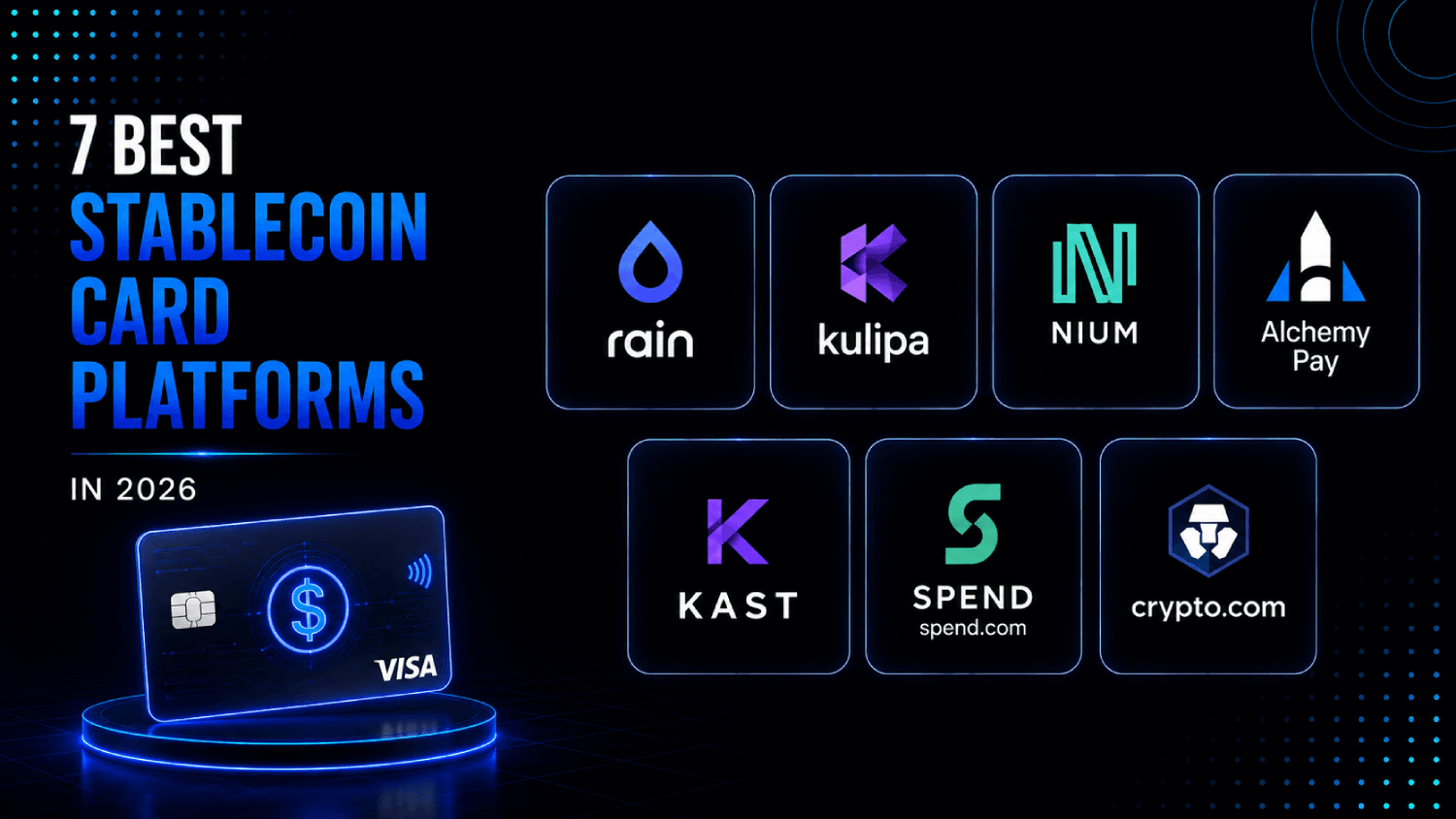
The best stablecoin card platforms in 2026 are Rain, Kulipa, Nium, Alchemy Pay, Kast, Spend, and Crypto.com’s business card infrastructure. Each takes a different approach to the settlement model, network access, and geographic coverage. Rain and Kulipa are the clearest choices for fintechs building stablecoin-native card programs as a core product. Nium fits companies that already run fiat card programs and want to add stablecoin settlement. The others serve more specific use cases ranging from consumer wallets to enterprise treasury.
Why Stablecoin Card Platforms Are a Distinct Product Category
Most founders assume that adding a card to a crypto or stablecoin product means plugging into a fiat card issuing API and doing a conversion on the back end. That is essentially how first-generation crypto cards worked, and it is why they were expensive, slow to settle, and difficult to operate outside of one or two home markets.
A stablecoin card platform is architecturally different. Instead of holding user balances in fiat and offering crypto as a display layer, these platforms let the underlying collateral stay in a stablecoin like USDC or USDT until the moment of authorization. The card network gets paid in fiat at point of sale. The platform settles back to the issuer in stablecoins. That settlement model is what collapses the traditional stack of BIN sponsor, program manager, FX provider, and correspondent bank into something a Series A fintech can actually operate.
For teams evaluating their broader payments infrastructure, the fintech infrastructure stack in 2026 shows where stablecoin card issuance sits relative to BaaS, embedded payments, and on-ramp layers. This category sits at the intersection of all three, which is part of what makes vendor selection genuinely hard.
How Do Stablecoin-Settled Cards Actually Work?
The mechanics are worth understanding before evaluating any vendor. When a cardholder swipes at a merchant, the card network (Visa or Mastercard) sends an authorization request to the platform’s BIN-sponsoring bank. The bank approves based on the cardholder’s stablecoin balance, which the platform has already valued at current market price. The merchant gets settled in local fiat currency. Behind the scenes, the platform liquidates the equivalent stablecoin amount and settles the network.
This means two things for a fintech building on top of one of these platforms. First, FX risk sits with the platform or gets passed to the cardholder at a spread, depending on the contract. Second, your reconciliation runs in stablecoins, not in USD or GBP, which simplifies cross-border treasury significantly. A program running in 15 countries still has one settlement asset instead of 15 currency accounts.
One thing that does not change: regulatory obligations. KYC, AML screening, and card network compliance rules apply exactly as they do on fiat card programs. The stablecoin settlement does not exempt you from any of it. Teams underestimating this cost should read the real cost of compliance in fintech SaaS before signing a platform agreement.
The FintechSpecs Settlement Architecture Test: How to Evaluate Any Stablecoin Card Platform
Before reviewing individual vendors, it helps to have a consistent framework. Most comparison guides list features. This one focuses on the four structural decisions that determine whether a platform actually fits your program.
Settlement direction: Does the platform settle to you in stablecoins, or does it convert to fiat before hitting your account? True stablecoin-native settlement means your treasury stays in USDC or USDT. Fiat-out platforms are crypto-funded but fiat-settled, which is a meaningful operational difference.
Network access: Visa-only, Mastercard-only, or dual-network? Dual-network access matters if your user base spans regions where one network has meaningfully stronger acceptance. Nium’s launch of dual-network stablecoin card issuance on both Visa and Mastercard is a direct response to this gap.
Stablecoin support: USDC, USDT, or both? Some platforms support a narrow set; others accept multiple assets including DAI or PYUSD. The broader the support, the more flexible your treasury model.
Compliance bundling: Does the platform include KYC/AML tooling, or do you bring your own? Platforms that bundle compliance save 3 to 6 months of vendor procurement at launch, but they also create dependency. Know which tradeoff your team can manage.
To illustrate why this test matters in practice: consider a fintech issuing expense cards to gig workers across five EMEA countries. If the platform settles to the issuer in fiat rather than stablecoins, the treasury advantage disappears immediately, the issuer is back to managing currency accounts per country. If the platform is Visa-only, certain Eastern European and Gulf markets with stronger Mastercard acceptance become a conversion problem at the point of sale rather than a reconciliation problem. Running each candidate through these four questions in sequence, before evaluating pricing or API docs, consistently surfaces the eliminating constraint faster than any other method.
7 Best Stablecoin Card Platforms: Compared by Settlement Model and Geographic Coverage
| Platform | Network Access | Settlement Asset | Best For | Geographic Focus |
|---|---|---|---|---|
| Rain | Visa, Mastercard | USDC, USDT, multi | Fintech programs, enterprise treasury | Global |
| Kulipa | Visa, Mastercard | USDC, USDT | Fintechs launching stablecoin card programs in EMEA | Europe, MENA |
| Nium | Visa, Mastercard (dual) | USDC, USDT | Existing fiat card issuers adding stablecoin rails | Global |
| Alchemy Pay | Visa | Multi-crypto including stablecoins | Crypto-native consumer apps | Asia-Pacific, global |
| Kast | Visa | USDC | Consumer stablecoin wallets wanting card spend | US, select global |
| Spend (spend.com) | Visa | USDC, crypto | SMB and team card spend funded by crypto treasury | US-focused |
| Crypto.com | Visa | CRO, USDC, multi-crypto | Crypto exchange users wanting consumer card | Global |
1. Rain
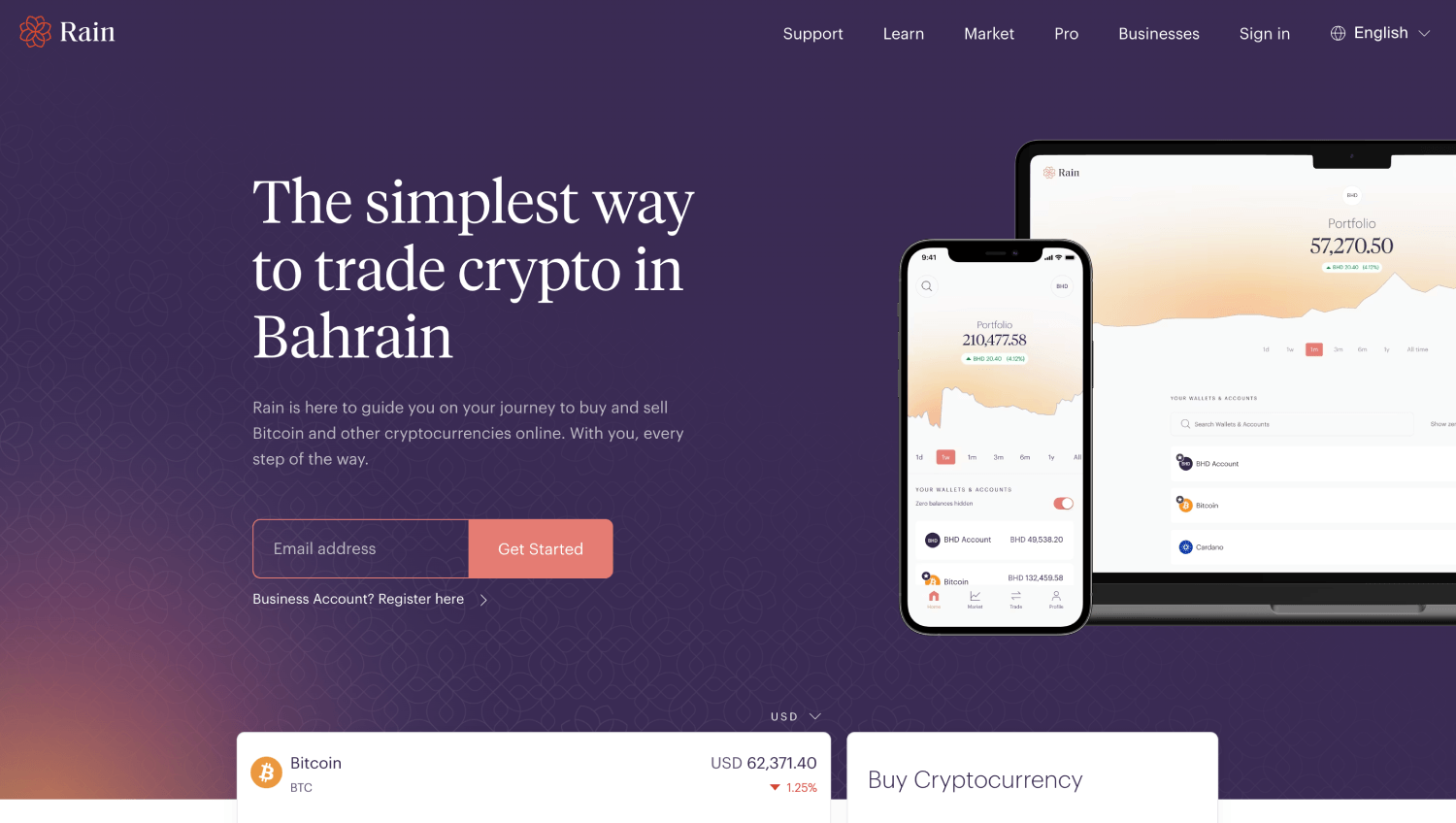
Rain is the most infrastructure-complete stablecoin card platform available to fintechs building programs rather than consumer wallets. The platform sits at the enterprise end: its API covers card issuance, stablecoin settlement, global money movement, and program management in one contract. Rain explicitly targets companies that want stablecoin-powered cards as a line of business, not as a feature of an exchange.
Rain supports multiple stablecoin assets and operates on both Visa and Mastercard networks, which gives programs the geographic breadth to issue cards in markets where one network dominates. Settlement flows back to the issuer in stablecoins, making Rain one of the few platforms where treasury genuinely stays off the fiat correspondent chain between authorization and settlement.
Pricing is not publicly listed. Rain operates on a contract basis, which is standard for enterprise infrastructure at this layer. Teams expecting a self-serve sign-up will need to speak to their sales team, which adds time to the launch timeline but is typical for programs with material card volume. Rain is the anchor platform in this category for a reason: the architecture is purpose-built for stablecoin settlement, not retrofitted onto a fiat issuing stack.
2. Kulipa
Kulipa takes direct aim at fintechs that want to launch stablecoin-backed card programs without building the BIN sponsorship and compliance layer themselves. The platform’s pitch is explicit: a single API, dual network access (Visa and Mastercard), and a program structure that lets issuers customize their card product while Kulipa handles the settlement and compliance backbone.
Kulipa has particular depth in Europe and MENA, which makes it the practical choice for any fintech whose primary market is outside North America. Its geographic focus also reflects the regulatory reality: EMI licensing and payment institution frameworks in Europe are more accommodating of stablecoin-linked card programs than US bank sponsorship structures, and Kulipa is built around that regulatory environment.
Revenue sharing is built into the model. Kulipa surfaces interchange revenue back to issuers, which matters for programs where card spend is a meaningful part of the business model rather than just a user convenience feature. For a fintech building in EMEA and wanting to avoid the months-long relationship-building that a traditional BIN sponsor requires, Kulipa is the most direct path to launch.
3. Nium
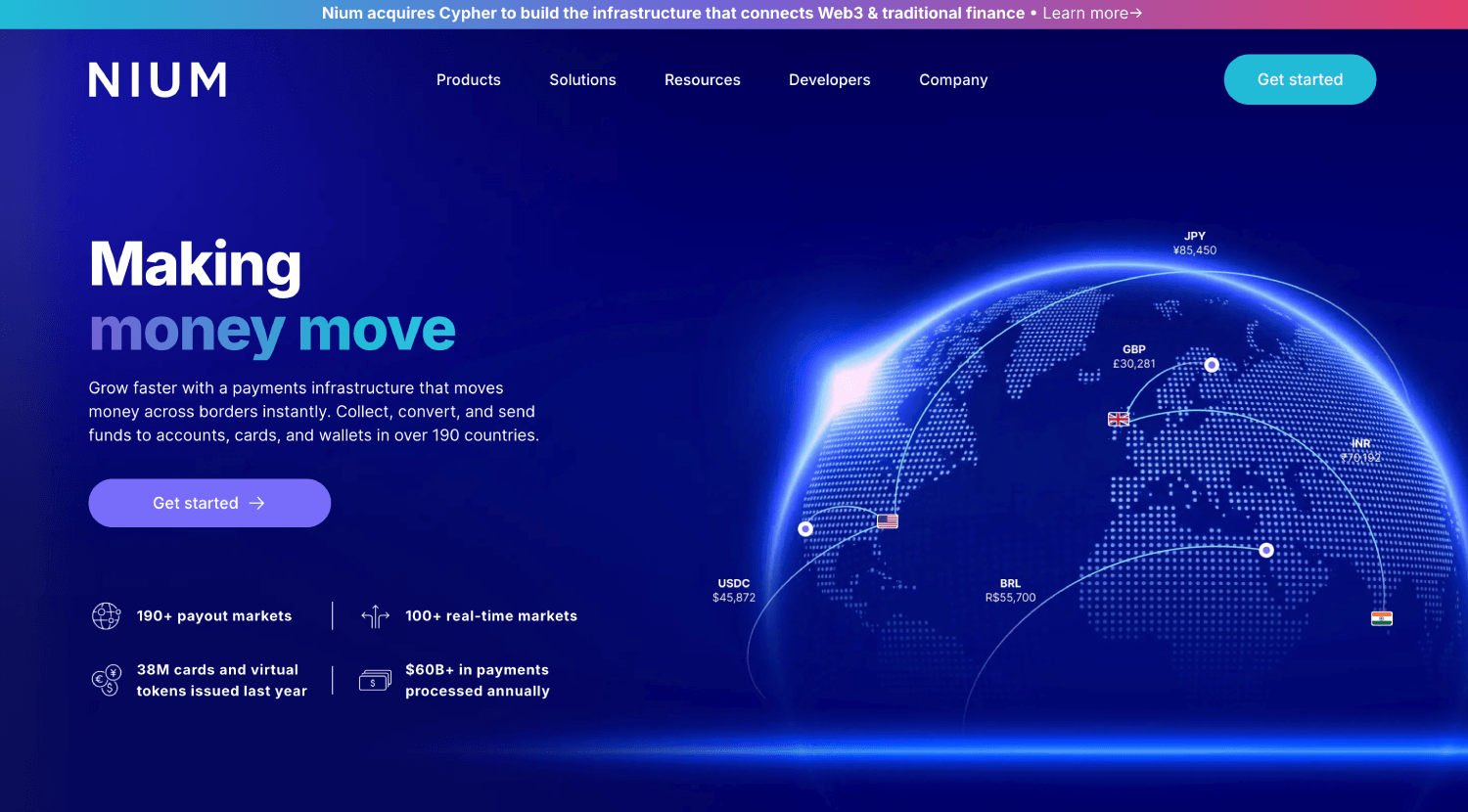
Nium entered the stablecoin card space from the opposite direction of Rain and Kulipa. It was already a global card issuing platform with an established volume of card tokens processed for banks and fintechs when it launched its stablecoin card issuance capability. That heritage is both an advantage and a constraint.
The advantage: Nium’s network relationships are deep. Its stablecoin card platform runs on both Visa and Mastercard rails with the same infrastructure that already powers its fiat programs. For a fintech that is already an existing Nium customer for fiat card issuance, adding stablecoin settlement is an extension of an existing contract, not a new vendor relationship.
The constraint: Nium’s stablecoin product is an extension of a fiat-first platform. The settlement model reflects that history. Teams that want stablecoin-native treasury, where balances stay in USDC through the entire program lifecycle, should verify exactly how Nium handles the settlement leg before assuming it matches what Rain or Kulipa provide. For established fintechs adding stablecoin rails to an existing program, Nium is a strong fit. For startups building stablecoin-first from day one, the architecture matters more than the brand name.
4. Alchemy Pay
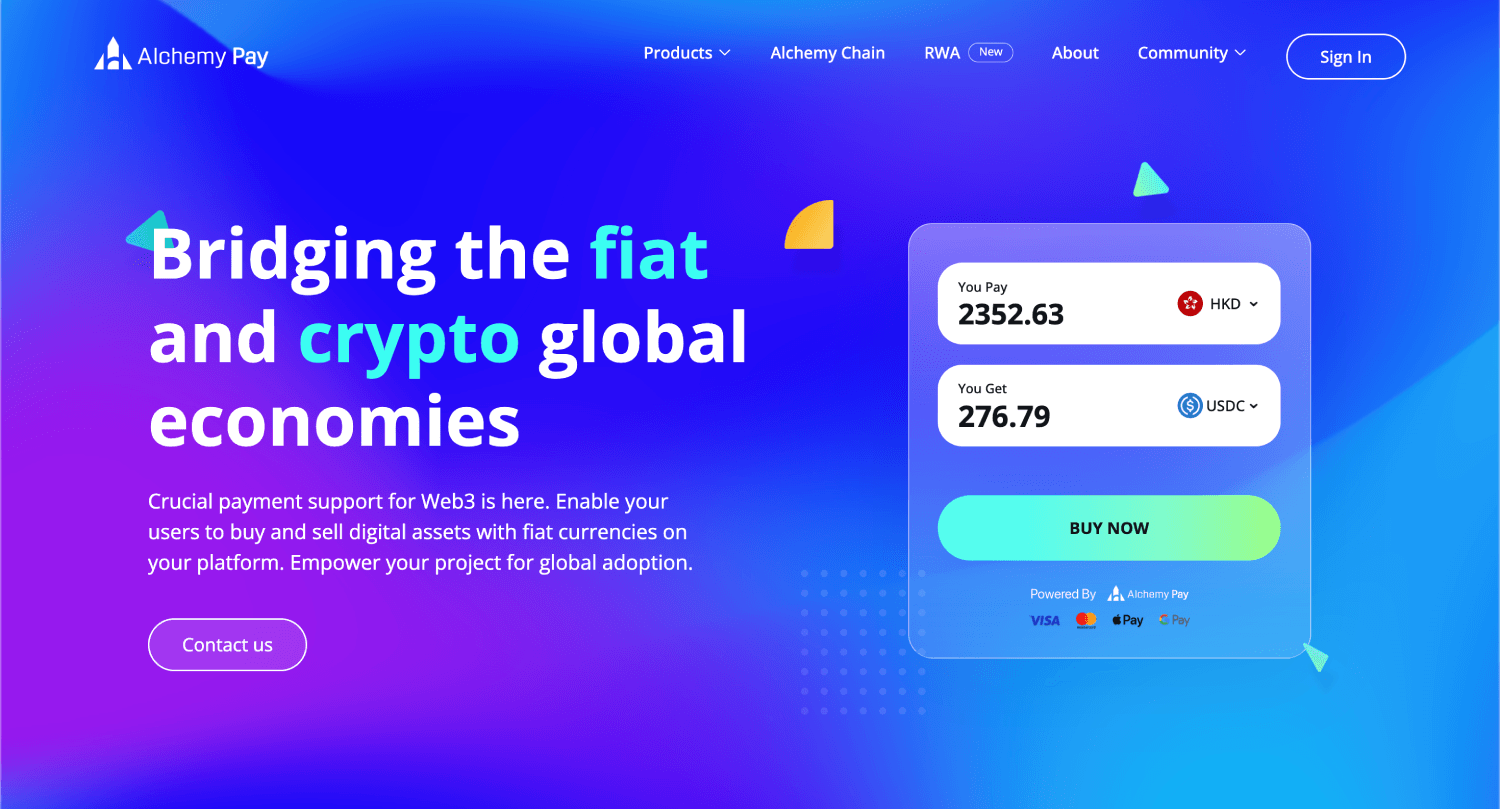
Alchemy Pay operates at the intersection of crypto on-ramp infrastructure and card issuance, with particular strength in Asia-Pacific markets. The platform supports stablecoins alongside volatile crypto assets, meaning USDC and USDT can fund card spend but so can ETH or BNB at the cardholder’s election.
That multi-asset approach suits consumer apps where users hold diverse crypto portfolios, but it adds reconciliation complexity for a fintech building a clean stablecoin-only program. Alchemy Pay is most coherent as a choice for apps in the crypto-native consumer segment that want Visa card access without building a standalone issuing program. For teams building stablecoin infrastructure at the platform level, the on-ramp and off-ramp capabilities are more central to Alchemy Pay’s value than the card product itself. The crypto on-ramp and off-ramp API coverage addresses this layer in more detail.
5. Kast
Kast is a consumer-facing stablecoin card product built on USDC. It is less of a platform for fintechs to build on and more of a direct-to-consumer product that demonstrates what a USDC-funded Visa card looks like in practice. That said, Kast is relevant to this list because it signals where the consumer expectation for stablecoin card spend is heading.
For a fintech that wants to offer something similar to its own users, Kast functions as a competitive benchmark rather than a vendor option. If you are building a consumer product that competes in this space, Kast is what your users will compare you against. It is not the platform to build a card program on top of.
6. Spend
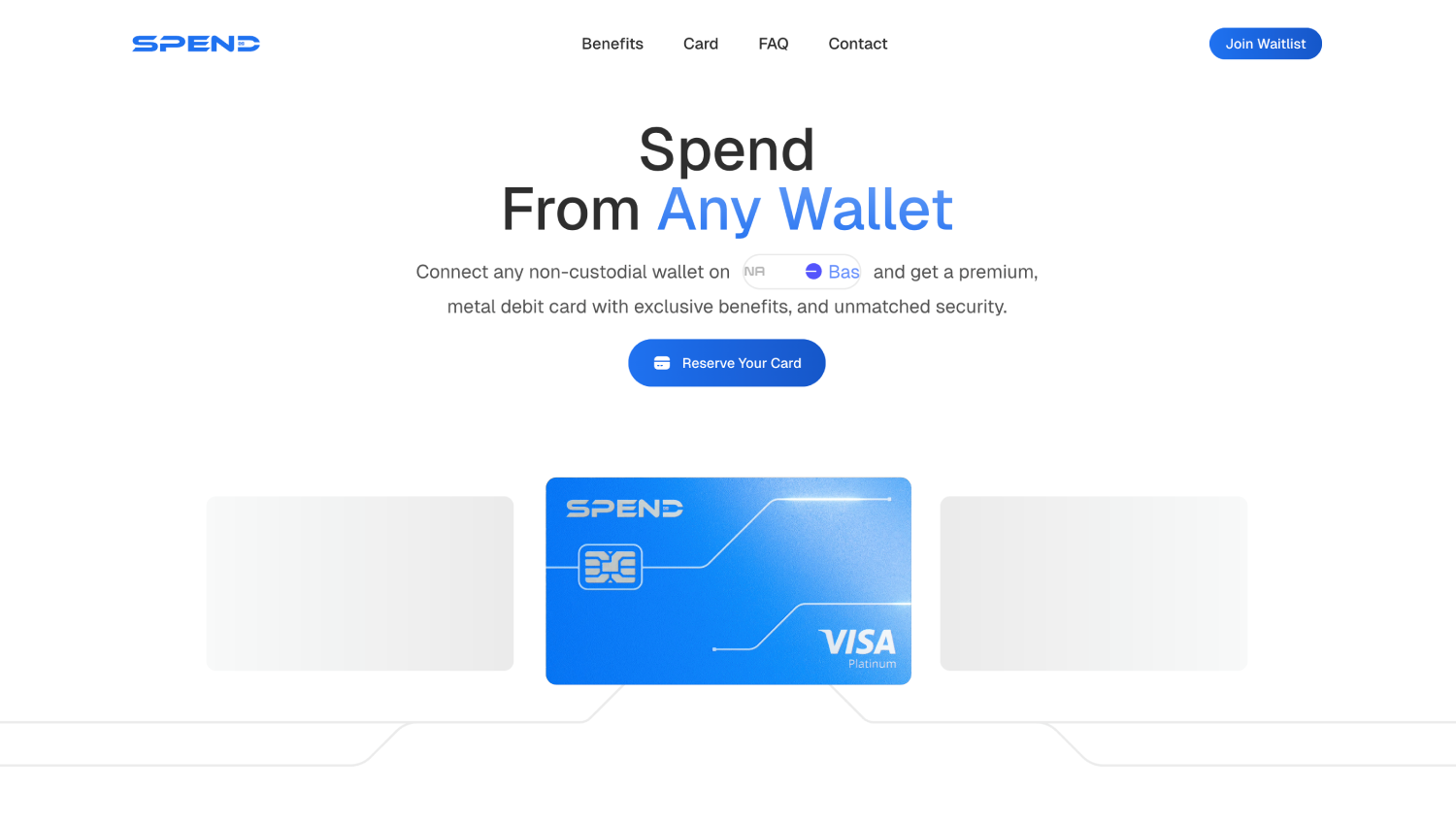
Spend targets the SMB and team expense management use case: companies holding crypto or stablecoin treasury that want to issue cards to employees funded by those balances. The Visa-based product supports USDC alongside other crypto assets and is US-focused in its current form.
For a company that already has a crypto treasury and wants to give employees cards without converting to fiat first, Spend solves a real operational problem. For a fintech trying to build a card program for its own users, Spend is not the right infrastructure layer. It is a vertical product, not a platform API. Teams evaluating business expense management tools alongside stablecoin card issuance may find it relevant, but it belongs in a different part of the evaluation matrix than Rain or Kulipa.
7. Crypto.com
Crypto.com offers Visa cards that can be funded by CRO (its native token), USDC, and other crypto assets. The product is consumer-facing and exchange-native: it works best for users already on the Crypto.com platform who want to spend their holdings at physical and online merchants globally.
Like Kast, Crypto.com’s card is a consumer product rather than an issuing platform. It matters here as a market reference point. Crypto.com has demonstrated at scale that global crypto card acceptance is real, that Visa will partner on stablecoin-linked products, and that consumers will use these cards for everyday spend when the UX is clean. For a fintech evaluating the product category, that proof of concept is useful. For a fintech trying to launch its own card program, Crypto.com is a competitor, not a vendor.
What Makes Global Multi-Country Card Issuance Feasible With Stablecoins?
Traditional card programs settle in the currency of the issuing country. Running a card program across 10 countries means 10 currency accounts, 10 sets of correspondent banking relationships, and 10 reconciliation processes. The FX cost alone can exceed the interchange revenue on a small program, which is why most startups restrict their card programs to one or two markets until they reach significant scale.
Stablecoin settlement flips that model. A program that holds balances in USDC across all geographies converts only at the point of authorization, at the cardholder level, rather than running a currency ledger per country. That is a structural cost advantage, not a marginal one. It is also why the platforms purpose-built for this category, Rain and Kulipa in particular, emphasize global issuance as a first-class feature rather than an add-on.
Consider a fintech launching payroll or gig economy cards across Latin America and Southeast Asia simultaneously. A fiat card program in those markets requires either a local banking partner in each country or a global BaaS provider with coverage in each jurisdiction, neither of which is fast or cheap to stand up. A stablecoin card program on Rain or Kulipa can issue cards in both regions from a single integration, with USDC as the settlement asset throughout. The currency conversion that merchants and local card networks require happens at the edge, not in the issuer’s treasury.
For teams weighing the full stablecoin infrastructure picture beyond cards, the leading stablecoin infrastructure providers in 2026 maps the custody, issuance, and payment API layers that sit alongside card programs in a complete stablecoin stack.
What Does It Cost to Launch a Stablecoin Card Program?
None of the enterprise-grade platforms in this category publish pricing. Rain, Kulipa, and Nium all operate on contract terms negotiated based on anticipated volume, geography, and program structure. That is standard for the card issuing layer: BIN sponsorship agreements and network fees are never self-serve, and stablecoin card platforms sit on top of those same network economics.
What is knowable: the cost structure of a stablecoin card program has three main components. First, platform fees, which may be a monthly minimum, a per-card fee, or a percentage of transaction volume. Second, card network interchange, which flows from merchant to network to issuer and is shared with the platform per the contract terms. Third, FX spread on the stablecoin-to-fiat conversion at point of authorization, which is where most platforms capture margin on consumer transactions.
For planning purposes, teams should model on the assumption that the platform captures 30 to 80 basis points of the FX conversion, with interchange revenue partially offsetting that depending on the program type. The exact split is contract-dependent. What stablecoin settlement reduces is the correspondent banking cost that normally sits between those line items on a fiat program, which is where the real economic benefit appears for high-volume, multi-currency programs.
Visa and Mastercard’s Role in Stablecoin Card Infrastructure
Visa has been explicit about its stablecoin strategy: stablecoin-linked cards connect crypto and stablecoin wallets to the global Visa network, enabling spend at millions of merchants worldwide. Visa has active partnerships with multiple stablecoin platforms and has settled transactions in USDC on the Ethereum blockchain in pilot programs with partners including Crypto.com.
Mastercard has taken a similar position, with partnerships and pilots focused on stablecoin-funded card programs in multiple markets. Nium’s dual-network launch, supporting both Visa and Mastercard for stablecoin card issuance, reflects how seriously both networks are treating this category. For a fintech evaluating platforms, network partnerships matter because they determine which BINs are available in which countries and what the card acceptance floor looks like in each market.
The practical implication: a stablecoin card platform that is a certified Visa and Mastercard program manager, rather than a sub-issuer on someone else’s BIN, has more flexibility in card product design and geography. Ask every vendor which BINs they operate and whether they are the principal issuer or sitting under a third-party BIN sponsor. The answer changes your program’s regulatory and operational exposure significantly.
Frequently Asked Questions About Stablecoin Card Platforms
Is there a stablecoin credit card, or are all stablecoin cards prepaid or debit?
Almost all current stablecoin card programs are prepaid or debit products. The cardholder’s stablecoin balance acts as the collateral for spend, and authorization is checked against that balance in real time. True credit card products backed by stablecoin collateral exist in limited form, primarily through DeFi-adjacent products, but they are not mainstream. The platforms reviewed here issue prepaid or debit cards. Credit card structures require a credit facility and underwriting, which is a different regulatory and capital structure entirely.
How do stablecoin card platforms handle volatility between authorization and settlement?
Stablecoins like USDC and USDT are designed to maintain a 1:1 peg to USD, so price volatility between authorization and settlement is minimal compared to non-stablecoin crypto cards. However, de-peg events, while rare, do create settlement risk. Most platforms manage this by converting at authorization time rather than at end-of-day settlement, which shrinks the exposure window to seconds. Platform contracts will specify who bears this residual risk. Read that section carefully.
What regulatory licenses do stablecoin card platforms need to operate?
At minimum, the platform needs to be a licensed payment institution or money services business in its operating jurisdiction, and it needs a principal membership or sub-issuer relationship with Visa or Mastercard. In the US, this typically means a partner bank holding the BIN and the platform operating as a program manager. In Europe, an EMI (Electronic Money Institution) license under the Payment Services Directive is the relevant framework. Some platforms hold licenses directly; others operate under a BIN-sponsoring bank’s charter. This distinction affects your compliance exposure as the issuer.
Which stablecoins do these platforms support?
USDC is universally supported across all platforms in this list that target stablecoin-native programs. USDT (Tether) is supported on most, though some enterprise platforms are selective due to Tether’s reserve transparency history. PYUSD (PayPal’s stablecoin) and EURC (Circle’s euro stablecoin) are beginning to appear on newer platform integrations. If your program requires a specific stablecoin, confirm support before signing. Asset support is one of the fastest-changing specs in this category.
How long does it take to launch a stablecoin card program?
Timeline depends almost entirely on the compliance and KYC layer. The API integration itself can be completed in weeks. What takes time is satisfying the card network’s program manager requirements, completing KYC on your end users to the platform’s standards, and passing the BIN sponsor’s due diligence on your business. For a fintech with existing compliance infrastructure, two to four months is realistic. For a team starting from scratch, six months is a more honest estimate. Platforms that bundle compliance tooling meaningfully compress the back half of that timeline.
Can a stablecoin card be used anywhere a regular Visa or Mastercard is accepted?
Yes, with one caveat. Stablecoin-funded Visa and Mastercard products are accepted at any merchant that accepts the network globally, because the merchant sees only a standard card transaction in local currency. The stablecoin mechanics are invisible to the merchant. The caveat is that some card programs restrict spend categories or geographies at the BIN level, which is a program manager decision rather than a stablecoin limitation. Check your platform’s BIN restrictions before assuming full global acceptance.
How does stablecoin card settlement affect accounting and reconciliation?
For fintechs that hold stablecoins on their balance sheet, card program reconciliation runs in stablecoins rather than in multiple fiat currencies, which is the main accounting advantage. Each authorization produces a stablecoin debit; the platform reports net settlement in USDC or USDT. The complication is that most accounting systems and ERPs are not built for stablecoin-native ledgering, so you may need a crypto-aware ledger layer or a reconciliation tool that handles on-chain transactions alongside traditional card data. The double-entry ledger tools built for fintech startups covers options that can handle this layer.
What Most Evaluations Miss: Settlement Finality vs. Settlement Speed
When platforms market stablecoin settlement as “fast,” they are usually referring to settlement finality on the blockchain side, meaning the stablecoin transfer from the platform to the issuer confirms in minutes rather than the T+2 of traditional card settlement. That is real. But it is distinct from how quickly the merchant gets paid, which still runs on Visa or Mastercard settlement timelines in local currency.
For a fintech evaluating these platforms, the relevant speed advantage is on the treasury side, not the merchant side. Your USDC balance reconciles faster because blockchain confirmation is faster than ACH or SWIFT. The merchant experience is identical to any other card transaction. This distinction matters when pitching stablecoin cards internally: the speed argument is about your treasury operations, not about creating a new merchant payment experience.
For context on how this fits into a broader on-chain payments strategy, the best stablecoin on-ramp and off-ramp providers covers the conversion infrastructure that sits alongside card programs in a complete stablecoin payment stack. Card issuance and on/off-ramp are increasingly sold as a bundle by the enterprise platforms, and understanding each layer separately makes vendor negotiation significantly more productive.
Which Stablecoin Card Platform Should You Choose?
The decision comes down to one question before any other: are you building a stablecoin card program as a product, or adding card spend as a feature for users who already hold stablecoins? If it is a product, Rain or Kulipa are the only platforms in this list that are purpose-built for that job. Rain for global programs with enterprise treasury requirements. Kulipa for EMEA-focused programs or fintechs that want a faster path to launch in Europe without building the BIN sponsorship themselves.
If you are an existing fiat card program manager adding stablecoin settlement, Nium is the rational choice because you are adding a capability to existing infrastructure rather than migrating to a new vendor. If you are building a consumer crypto wallet and want to give users a card as a convenience feature rather than as a revenue-generating program, Alchemy Pay or Crypto.com’s model is closer to your use case.
Stablecoin settlement does not make card programs easy. It makes multi-country card programs feasible at a stage of company where they previously were not. That is a meaningful structural difference, but only if the platform you choose is actually built around stablecoin settlement rather than treating it as a conversion step before the real fiat program runs. Applying the Settlement Architecture Test before any other evaluation step is what separates teams that find the right vendor from those that sign a contract and discover the constraint six months into launch.