
TLDR
- Self-declaration alone fails at the first shell company. Regulators and examiners expect you to cross-reference ownership claims against structured third-party data, not just collect a form.
- FinCEN’s beneficial ownership rules, updated in 2025, raised the bar for who qualifies as a reporting company and what documentation fintechs must retain under the Corporate Transparency Act framework.
- The real split between UBO verification providers is depth versus speed: registry-heavy tools surface legal owners fast, while network-graph tools like Sayari or Moody’s Orbis trace beneficial ownership through holding layers that registries never capture.
- Most fintechs need at least two data sources in their UBO stack: one for domestic entity confirmation and one for cross-border ownership graph traversal.
- Pricing across this category is almost entirely custom, but several providers offer per-entity or per-search pricing that compounds quickly at volume.
The best UBO verification providers for fintechs combine structured corporate registry data with relationship-graph intelligence to trace ownership past the first declared layer. For US-domestic onboarding, Middesk and Sumsub cover most cases efficiently. For cross-border or high-risk entities, Moody’s Orbis, Sayari, and Encompass provide the multi-hop ownership traversal that self-declaration and registry checks miss entirely. ComplyAdvantage and Kyckr fill the AML screening and international registry gap respectively.
Why Self-Declaration Fails UBO Verification
Ask a business to tell you who owns more than 25% of its equity and most will answer correctly. But the 25% threshold only applies to direct ownership. A holding company that controls 60% of your customer entity, itself owned by two offshore trusts that each hold 45%, clears that threshold without any individual ever appearing on a self-declaration form.
That is not a hypothetical edge case. It is the standard structure for a mid-market private equity portfolio company, a family office subsidiary, or any entity formed primarily to limit personal exposure. Third-party ownership graphs exist specifically because these structures are common enough that regulators have stopped accepting self-declaration as sufficient evidence of beneficial ownership.
Under the Corporate Transparency Act and FinCEN’s updated BOI rules, reporting companies must now disclose beneficial owners down to the 25% threshold, but fintechs acting as financial institutions must go further: they must independently verify those disclosures as part of their Customer Due Diligence obligations. The 2025 amendments clarified exemption categories and extended deadlines for certain entities, but did not reduce the verification burden on covered financial institutions. If your onboarding flow ends at “we collected the form,” your compliance program has a gap that an examiner will find.
What Does the Ownership-Depth Verification Problem Actually Look Like?
Consider a Series B payments company onboarding a logistics firm. The customer declares two beneficial owners, each with 30% ownership stakes, both US citizens. The compliance team runs KYC on both individuals. Clean. File closed.
What the file does not show: the logistics firm is itself 80% owned by a Delaware holding company, which is 70% owned by a Cayman Islands entity, which lists a Liechtenstein trust as its majority shareholder. The trust’s ultimate beneficiaries include two individuals on a watchlist. No self-declaration form surfaces this. Only a provider with cross-border ownership graph data catches it.
This is the core problem UBO verification tools solve. Registry data tells you who is registered. Ownership graphs tell you who actually benefits. The gap between those two answers is where financial crime hides. Understanding the difference matters when you are selecting a vendor, as we covered in the broader context of KYB provider evaluation for B2B fintech onboarding.
The FintechSpecs Ownership-Depth Score: How to Grade Any UBO Provider
Before reviewing specific vendors, it helps to have a consistent framework for what “good” looks like. We call this the FintechSpecs Ownership-Depth Score, a four-dimension test for any UBO verification tool:
- Layer traversal: How many ownership hops can the tool trace automatically without manual analyst intervention? One hop (direct ownership) is the minimum. Three or more hops, across jurisdictions, is enterprise-grade.
- Jurisdiction coverage: Does the provider have registry access or structured data for the specific countries where your highest-risk customers incorporate? Delaware coverage alone is not UBO verification.
- Data freshness: Ownership structures change. A registry pull from 18 months ago misses a restructuring. Providers vary significantly in how frequently their underlying data is refreshed.
- Integration path: Can you embed this in your onboarding flow via API, or does it require analyst portal workflows that add days to a decision?
Run any vendor through these four checks before evaluating pricing or UI. A tool that scores low on layer traversal and jurisdiction coverage is not a UBO verification tool regardless of what the marketing says.
9 Best UBO Verification Providers for Fintechs
1. Moody’s Orbis
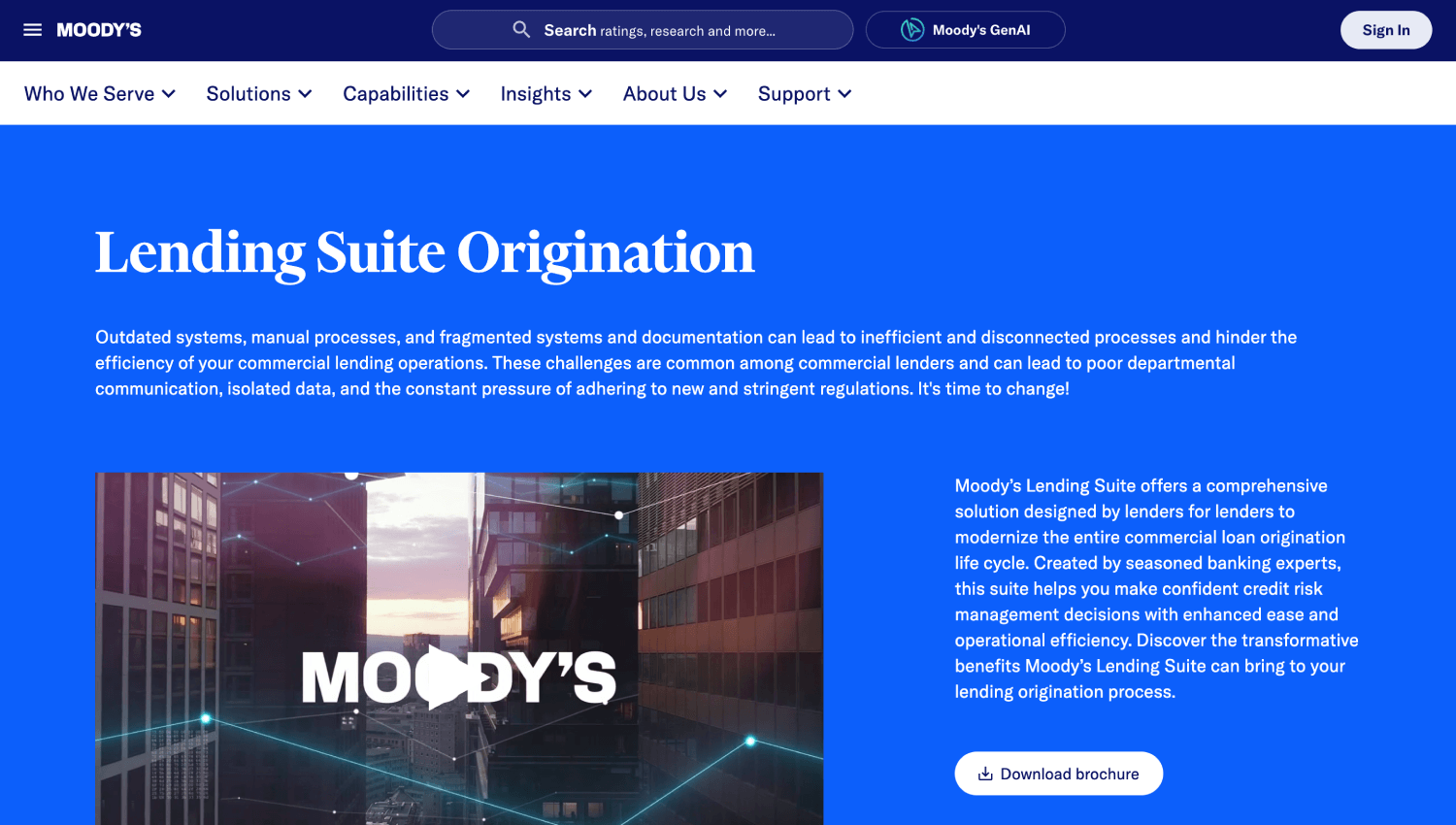
Moody’s Orbis is the most comprehensive global ownership database available to commercial buyers, covering over 500 million companies and their ownership structures across more than 200 countries and territories. For fintechs dealing with complex corporate entities, it is the reference dataset that other providers often license from in part.
Orbis traces beneficial ownership through multiple layers automatically, linking entities across jurisdictions using a standardized shareholder structure. The depth of coverage on European, Asian, and Latin American entities is unmatched by US-native providers. The trade-off is that Orbis is primarily a data product rather than a compliance workflow tool. You get the graph; your team or a downstream tool handles the case management.
Pricing is not publicly disclosed and is typically volume-based with annual contract minimums. It is built for financial institutions and compliance teams with significant onboarding volume, not seed-stage startups running a few hundred checks per month.
| Provider | Primary Strength | Ownership Depth | Best For | API Available |
|---|---|---|---|---|
| Moody’s Orbis | Global ownership graph (500M+ entities) | Multi-hop, 200+ countries | Large fintechs, banks, compliance teams | Yes (licensed data feeds and API) |
| Sayari | Investigative-grade entity network graphs | Multi-hop, high-risk jurisdictions | Fintechs with complex cross-border exposure | Yes |
| Kyckr | Real-time international registry data | Direct registry, 120+ countries | Cross-border KYB with fresh registry data | Yes |
| Encompass | Automated KYC/UBO workflow orchestration | Multi-source aggregation | Banks, regulated FIs with manual review burden | Yes |
| Middesk | US business verification and entity data | Direct ownership, US-focused | US-only or primarily US onboarding | Yes |
| Sumsub | KYB + KYC onboarding platform with UBO module | Multi-layer, configurable | Growth-stage fintechs needing one platform | Yes |
| ComplyAdvantage | AML screening, adverse media, sanctions | Screening-layer (not ownership graph) | Screening after ownership is established | Yes |
| Kyckr + Sayari combined | Registry + network graph | Deep multi-hop | Cross-border high-risk entity stacks | Both |
| LexisNexis Risk Solutions | Broad data aggregation with UBO overlay | Multi-hop, US heavy | Compliance teams with existing LN relationships | Yes |
2. Sayari
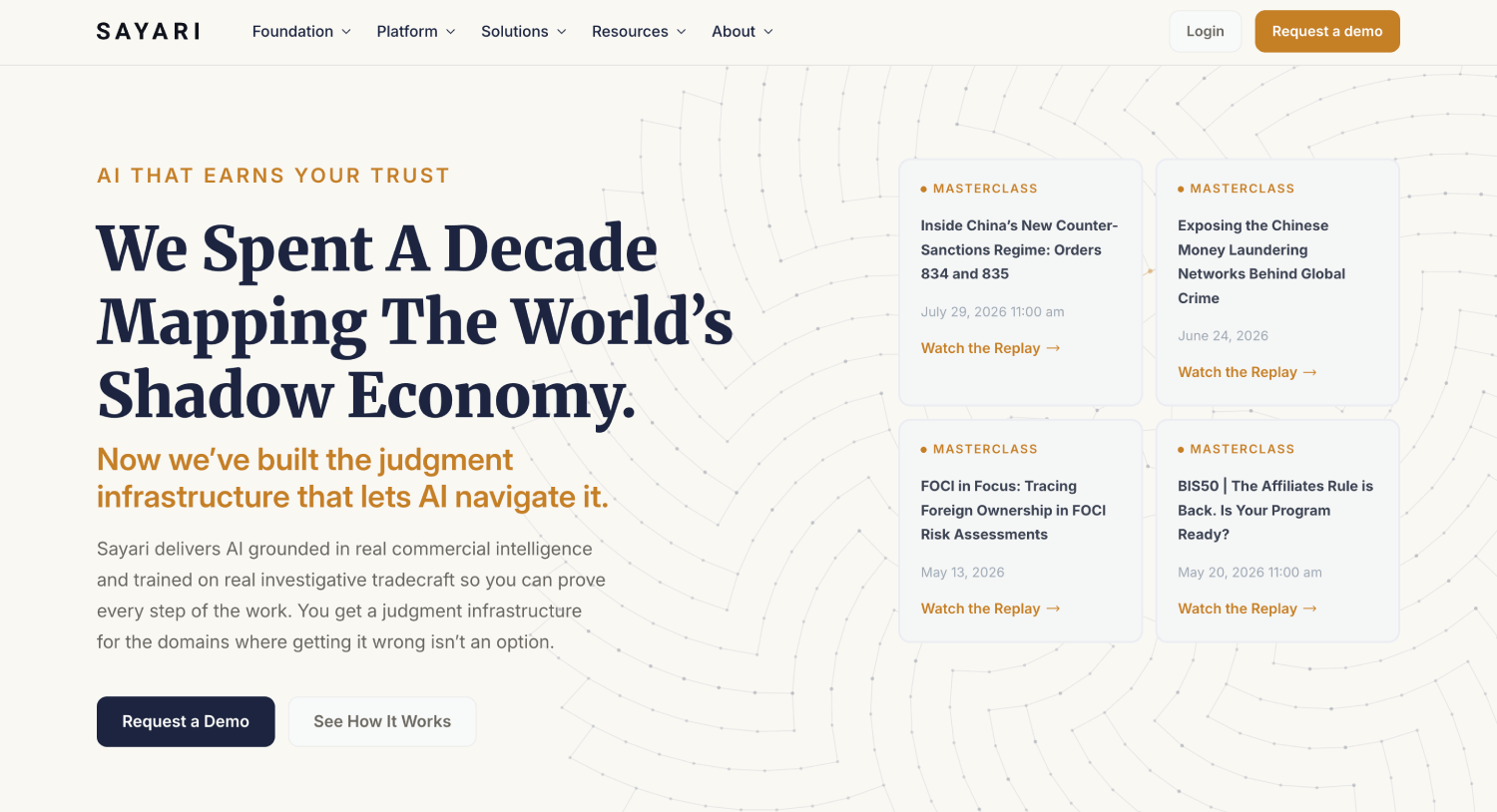
Sayari started as an investigative intelligence tool and has become one of the most cited platforms for tracing ownership through high-risk and opaque corporate structures. Where Orbis is broad, Sayari is deep on adversarial use cases: shell company detection, sanctions evasion structures, and politically exposed person networks.
Its entity graph links companies, individuals, addresses, and documents across corporate registries, court filings, trade data, and government records. The platform surfaces connections that standard registry pulls miss entirely. A compliance analyst investigating a suspicious entity can trace relationship chains that would take days of manual research to reconstruct from primary sources.
Sayari’s API allows programmatic ownership lookups, which makes it embedable in onboarding workflows rather than restricted to analyst-driven investigations. Pricing is custom and enterprise-oriented. For fintechs with significant cross-border exposure or high-risk industry verticals, Sayari regularly appears as the most capable tool available for multi-hop beneficial ownership tracing. You can also read the dedicated Sayari vs Quantexa comparison for a direct look at entity resolution trade-offs at scale.
3. Kyckr
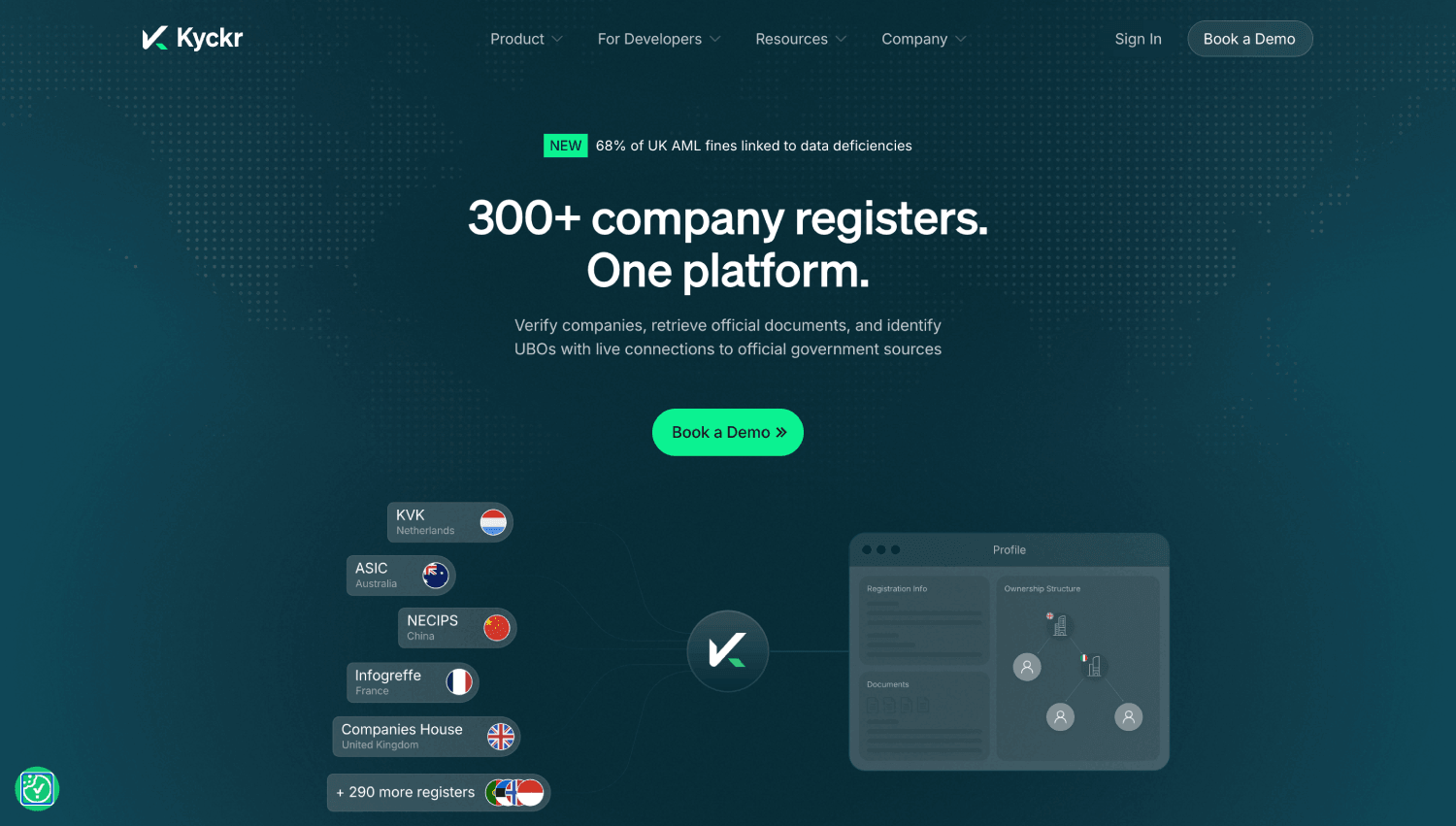
Kyckr takes a different approach from graph-based tools. It pulls directly from official corporate registries in more than 120 countries, returning real-time or near-real-time data rather than a cached database. For fintechs that need to verify a company’s current legal status, registered address, and declared shareholders as they appear in official records today, Kyckr is faster and more current than most aggregated databases.
The limitation is also its strength: because Kyckr retrieves what registries say, it only knows what registries contain. If the official filing lists a holding company as 100% owner without naming individuals, that is what Kyckr returns. You still need a graph tool to pierce that holding structure. Many fintechs pair Kyckr for initial entity confirmation with Sayari or Orbis for beneficial ownership traversal.
Kyckr offers API access and a portal interface. Pricing varies by jurisdiction and search volume. Its real-time registry retrieval is particularly useful for European entities where beneficial ownership registers (required under the EU’s 5th Anti-Money Laundering Directive) are now publicly accessible and more complete than comparable US data.
4. Encompass
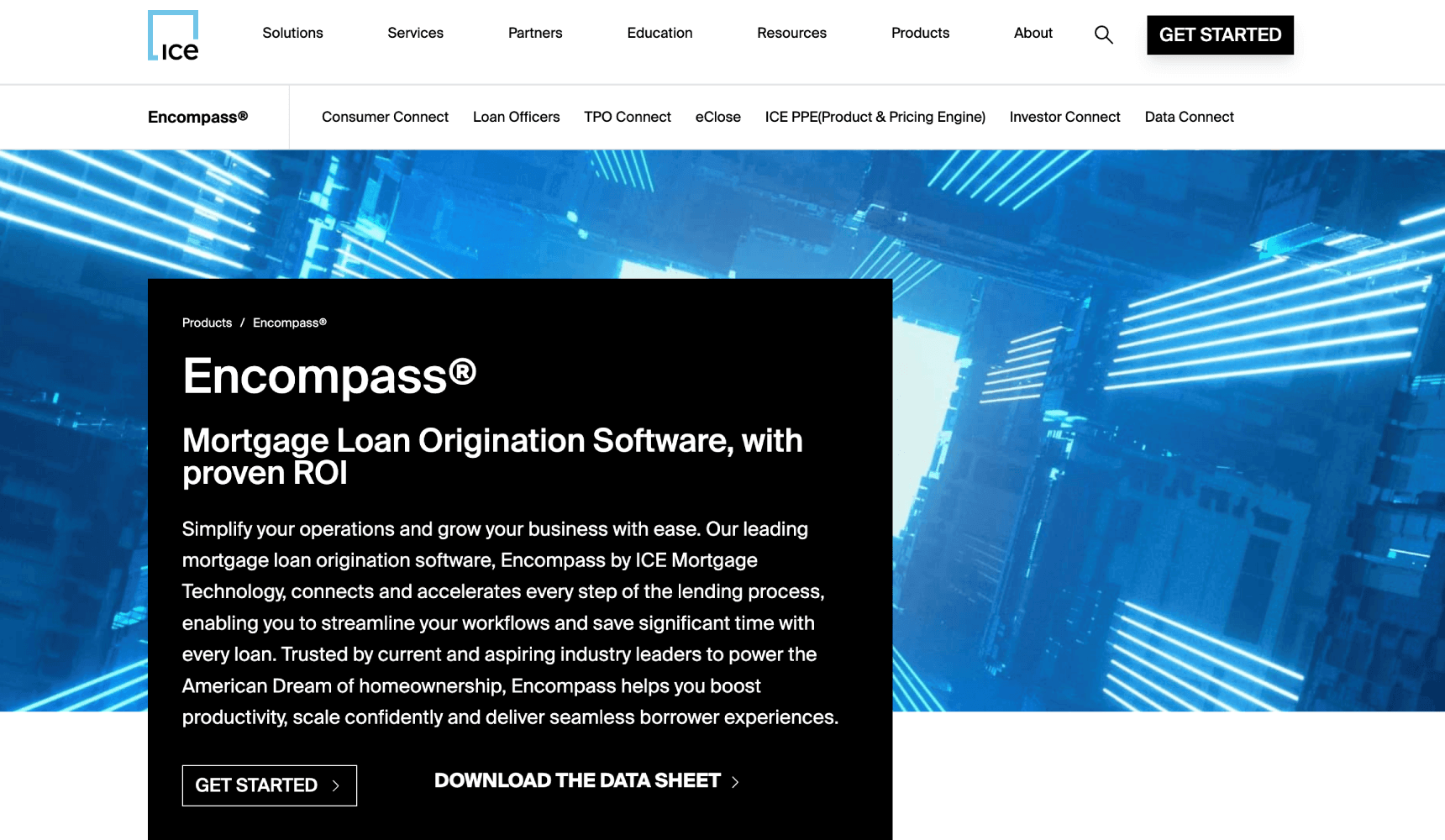
Encompass is less a data provider than a KYC automation platform that aggregates multiple data sources including corporate registries, beneficial ownership data, PEP and sanctions lists, and adverse media into a single orchestrated workflow. Its primary value proposition is reducing the time compliance analysts spend manually pulling and collating information from disparate sources.
For regulated financial institutions with high manual review overhead, Encompass can compress a multi-source KYB file from hours to minutes by automating the data retrieval and structuring the output into a reviewable report. The platform supports beneficial ownership mapping as part of that broader KYC file construction.
Encompass is typically positioned at banks and larger financial institutions rather than early-stage fintechs. It requires integration work and is most valuable when you are running dozens or hundreds of complex entity reviews per week. Pricing is custom and enterprise-contracted.
5. Middesk
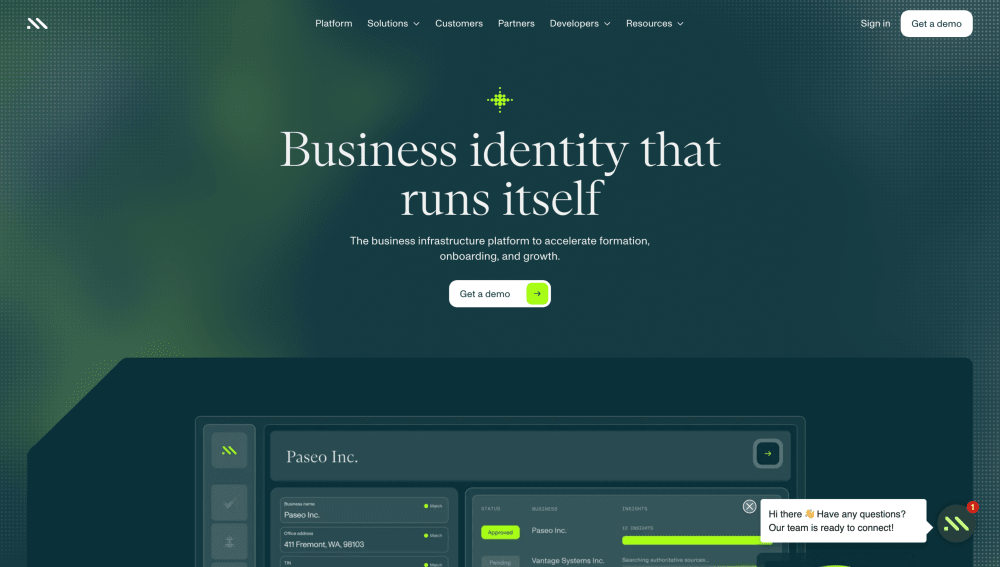
Middesk is the most developer-friendly option for US-focused business verification, covering Secretary of State records, IRS TIN verification, UCC filings, and beneficial ownership data. Its UBO module pulls from FinCEN’s Beneficial Ownership database and cross-references against other US data sources to surface declared owners.
Where Middesk is strongest is the combination of speed and domestic coverage: an API call returns business verification plus basic ownership data in seconds rather than days. Where it falls short is the same place most US-native tools do: cross-border structures and multi-layer holding companies are not its native use case.
For fintechs with a predominantly US SMB customer base, Middesk often provides enough UBO coverage to satisfy CDD obligations without adding a second provider. For anything with offshore holding structures, it needs to be paired with a graph-based tool. The Alloy vs Middesk comparison covers how the platforms diverge for more complex onboarding orchestration. Middesk’s pricing is available on request; the company does not publish a public price list.
6. Sumsub
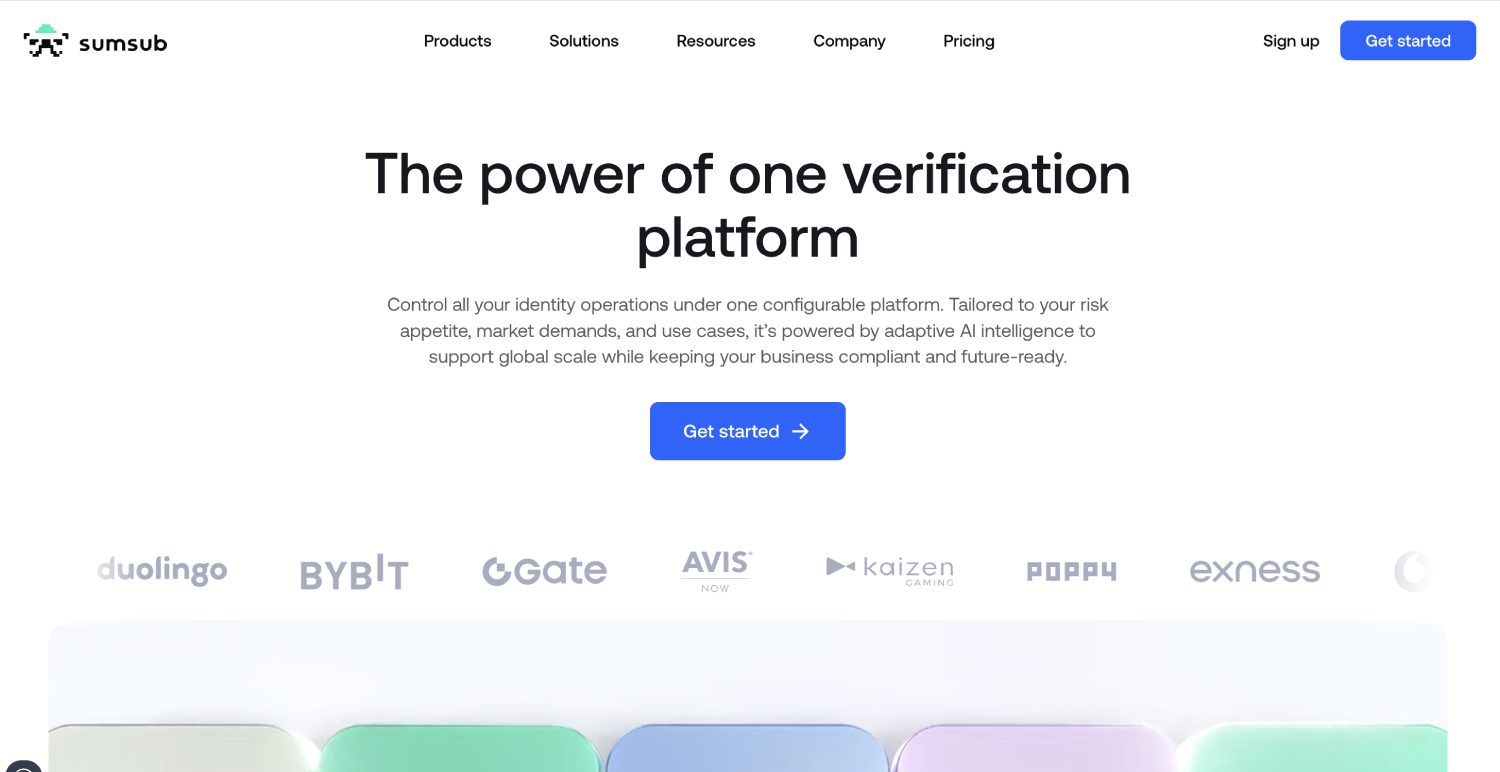
Sumsub is an end-to-end identity verification platform that covers both KYC and KYB, including a dedicated UBO verification module. For growth-stage fintechs that want a single platform rather than a stack of point solutions, Sumsub is the most complete option in this list.
The UBO flow within Sumsub allows you to configure ownership threshold rules (25%, 10%, or custom), collect documentation from each beneficial owner automatically, and trigger individual identity checks on those owners without leaving the platform. The system supports multi-layer ownership chains and can prompt additional UBO declarations when an intermediate entity is identified. For fintechs that need a complete onboarding workflow rather than raw data, the Sumsub UBO module is among the more fully realized implementations in this category.
Sumsub’s pricing for KYB and UBO checks is custom and volume-based. It integrates with most major compliance orchestration platforms. For a broader comparison of where Sumsub sits against other identity tools, the Trulioo vs Sumsub KYB comparison breaks down the onboarding trade-offs directly.
7. ComplyAdvantage
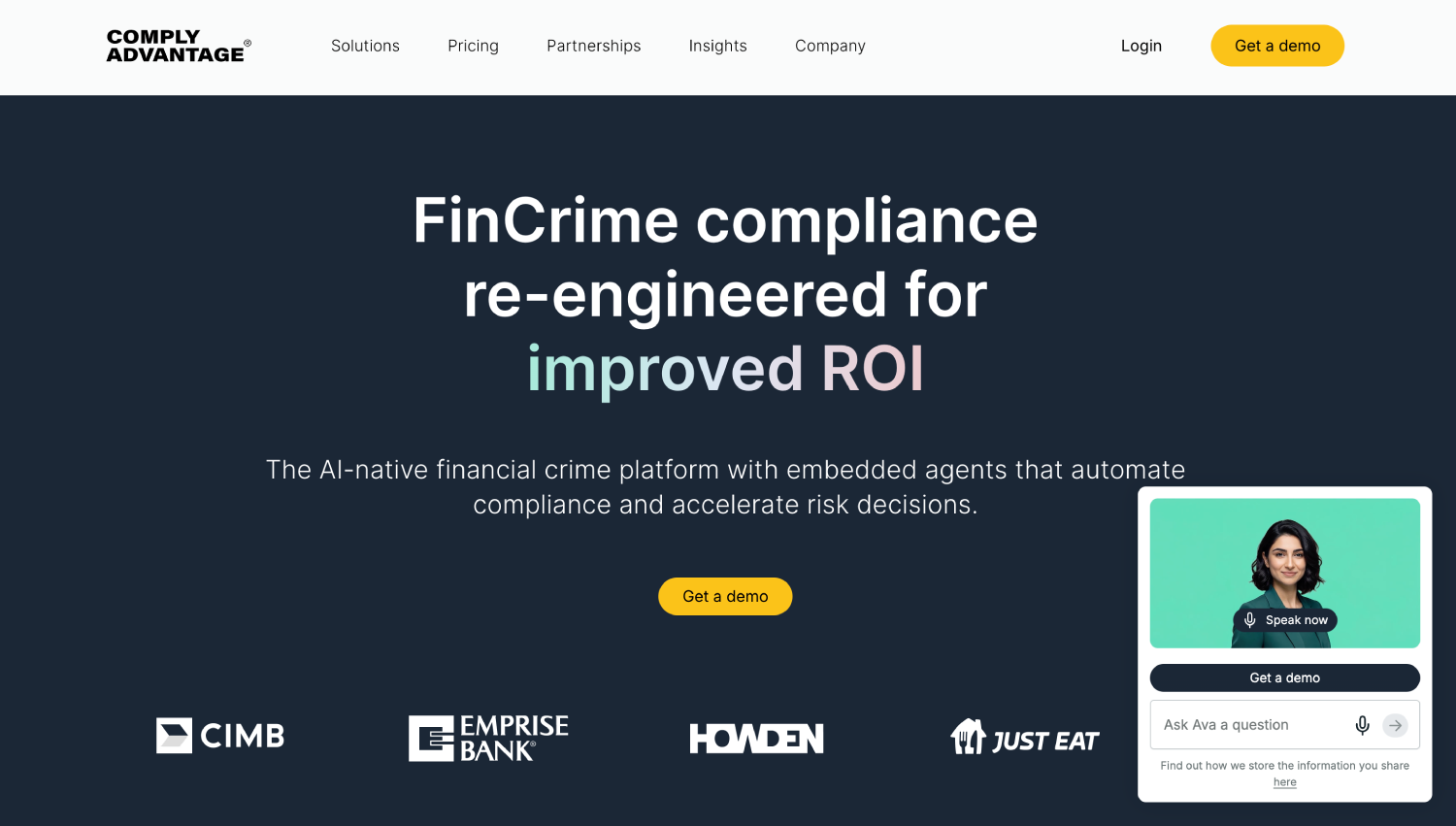
ComplyAdvantage occupies a different layer in the UBO stack than most tools on this list. It is primarily an AML screening and adverse media platform, not an ownership graph tool. But it is a necessary part of any complete UBO verification workflow because identifying the beneficial owner is only the first step. Screening that owner against global sanctions lists, PEP databases, and adverse media is step two.
ComplyAdvantage’s real-time data collection covers global sanctions, watchlists, politically exposed persons, and adverse media across a large volume of sources. Its entity resolution logic reduces false positives by matching against known aliases and name variants. For fintechs that already have a data provider surfacing UBO identities, ComplyAdvantage plugs in at the screening stage to close the compliance loop.
Pricing is not publicly listed on ComplyAdvantage’s website and is typically quote-based by volume and product tier. ComplyAdvantage also includes some entity data and corporate structure information in its broader platform, making it possible to use for lighter UBO data needs alongside its screening capabilities. Read the dedicated ComplyAdvantage vs Sardine comparison for context on where it sits in a broader AML stack.
8. LexisNexis Risk Solutions

LexisNexis Risk Solutions offers beneficial ownership data as part of its broader due diligence and identity intelligence suite. Its Bridger Insight and WorldCompliance products cover sanctions, PEP screening, and adverse media, while its business due diligence products surface entity ownership data drawn from a combination of public records and licensed commercial data.
For fintechs that already have a LexisNexis relationship for identity verification or credit data, adding the UBO layer is often the path of least resistance. The coverage is strong for US entities and reasonable for Western European entities. For emerging market or high-risk jurisdiction entities, the depth falls behind Sayari and Orbis.
LexisNexis is predominantly enterprise-contracted, and pricing for individual product modules is not published publicly. It is rarely the right first choice for a startup building a compliance stack from scratch, but it is a defensible choice for a Series B or later company that values a consolidated vendor relationship.
9. Baselayer
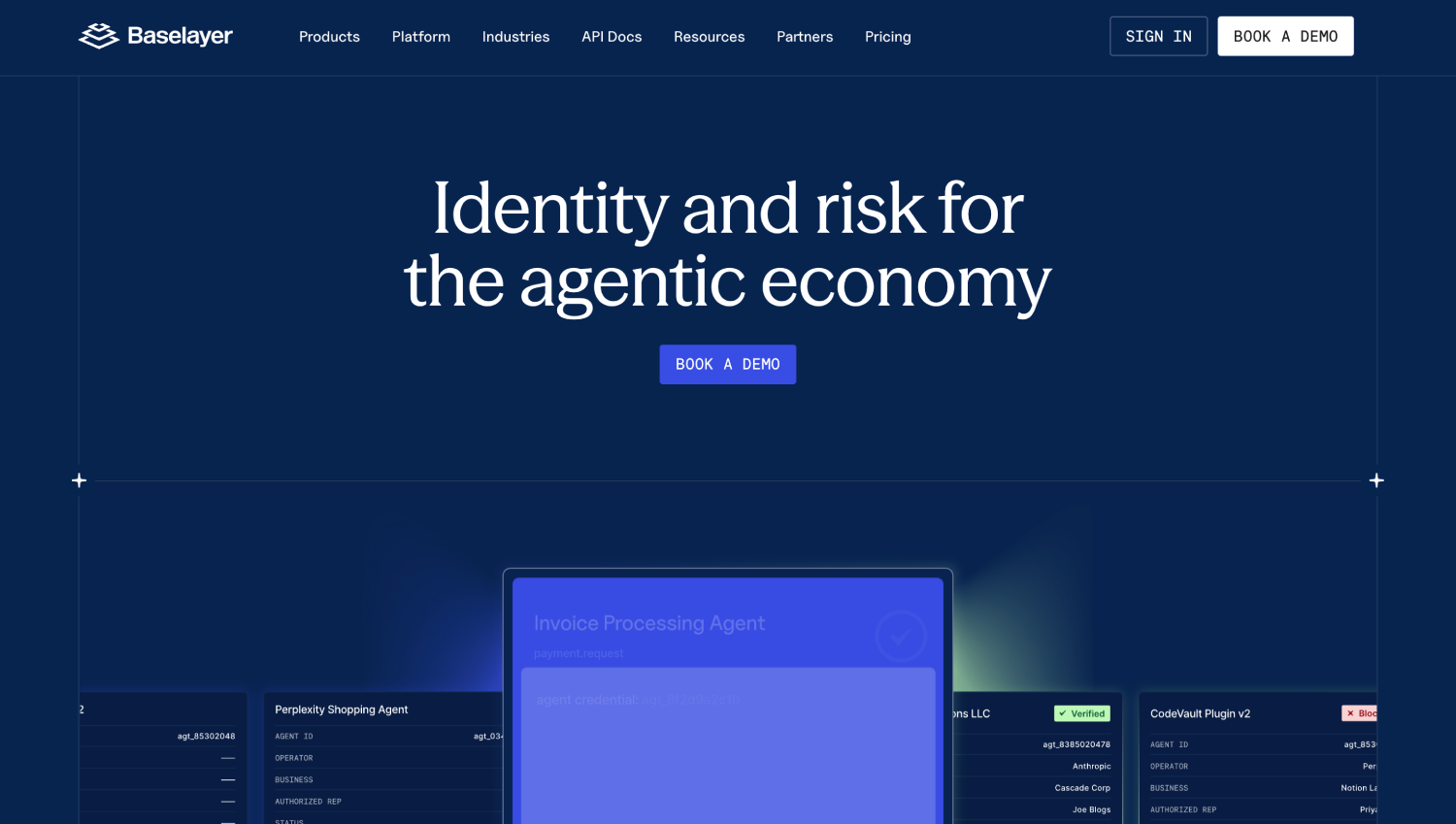
Baselayer is a newer entry focused on high-risk business onboarding and KYB with a specific emphasis on ownership verification. It combines Secretary of State data, FinCEN BOI filings, and additional structured data sources to surface ownership information and flag discrepancies between what an applicant declares and what official records show.
Baselayer is particularly positioned for fintechs onboarding businesses in sectors with elevated fraud risk: payments, lending, and marketplace platforms. Its differentiation is a risk-scoring layer that sits on top of the ownership data rather than just returning raw records. Pricing is not publicly listed. For a detailed head-to-head with Middesk, the Middesk vs Baselayer KYB comparison covers the high-risk onboarding use case specifically.
How Does FinCEN’s 2025 BOI Rule Update Change UBO Verification Requirements?
The Corporate Transparency Act, which created the Beneficial Ownership Information reporting framework, saw significant amendments in 2025. A federal court injunction in late 2024 temporarily blocked enforcement, and the following year brought rule clarifications and revised compliance dates. As of 2025, FinCEN reinstated BOI reporting requirements with updated deadlines and clarified that the vast majority of US-formed entities remain reporting companies, with exemptions narrowed primarily to publicly traded companies, heavily regulated financial institutions, and large operating companies meeting specific revenue and employee thresholds.
For fintechs as financial institutions rather than reporting companies, the direct obligation is Customer Due Diligence. The BOI database FinCEN is building becomes a reference point for verification rather than the primary source of truth. You can now cross-reference what a customer declares against FinCEN’s BOI records, but you cannot rely on it exclusively because the database is only as current as each company’s last filing. Independent third-party verification through the tools above remains the standard for defensible CDD.
The compliance obligation for fintechs specifically is unchanged in direction: identify beneficial owners at or above the 25% threshold, verify their identities, and monitor for changes. What has changed is that BOI data is now available as an additional verification input, making it harder for customers to claim they disclosed owners that do not match official records.
Which UBO Screening Tools Work Best for Cross-Border Ownership Structures?
Cross-border ownership is where the gap between registry tools and graph tools becomes most expensive to ignore. A company incorporated in the Netherlands with a Luxembourg holding company and a Swiss ultimate parent requires three separate registry lookups at minimum, and even those may not surface individual beneficial owners if intermediate entities use nominee arrangements common in certain civil law jurisdictions.
For this use case, the ranking shifts meaningfully. Sayari’s network graph is the strongest tool for tracing adversarial or deliberately obscured ownership structures in high-risk countries. Moody’s Orbis is the strongest for broad coverage across more than 200 jurisdictions with standardized data output. Kyckr adds real-time registry verification for the countries it covers. Encompass automates the aggregation of multiple data pulls into a single workflow.
The practical stack for a fintech with meaningful cross-border volume: Kyckr for initial entity verification and registry data, Sayari or Orbis for beneficial ownership traversal, and ComplyAdvantage for screening each identified owner against AML lists. Sumsub if you want to manage the entire workflow in one product with some cross-border capability built in. The cost of this stack is not trivial, but it compares favorably against the cost of a single regulatory enforcement action. For more context on what complete compliance infrastructure costs, the real cost of compliance in fintech SaaS breaks down the numbers by company stage.
What Should Fintechs Look for in UBO Verification Software Before Buying?
Beyond the FintechSpecs Ownership-Depth Score framework above, three operational questions determine fit more than any feature list.
First: does the tool handle your specific customer base geographically? A provider with deep US and UK coverage but thin data on Southeast Asian or MENA entities will fail you precisely when you need it most. Get a sample run on five of your most complex existing customers before signing any contract.
Second: does it surface a structured ownership tree or just raw records? Raw records from a corporate registry require an analyst to interpret and map the ownership chain. A structured ownership tree is what you actually need for automated decisioning. Many tools market UBO data that is really just document retrieval.
Third: what happens when ownership information is unavailable or incomplete? The best tools return a confidence signal alongside ownership data, telling you whether the gap is a data limitation or a potential red flag. Tools that simply return blank fields for incomplete structures leave your compliance team without the context to act appropriately.
Frequently Asked Questions
What is UBO verification and why do fintechs need it?
UBO verification is the process of identifying and confirming the natural persons who ultimately own or control a legal entity, typically those holding 25% or more of equity or voting rights. Fintechs need it because Customer Due Diligence regulations require financial institutions to look past the legal entity to the individual humans who benefit from the business relationship. Self-declaration alone is insufficient for regulated compliance; third-party data verification is required to satisfy most AML program standards and examiner expectations.
How many ownership layers do UBO tools typically trace?
It varies significantly by provider. Registry-based tools like Kyckr typically return one layer of declared shareholders and stop there, requiring manual follow-up on any intermediate entities. Graph-based tools like Sayari and Moody’s Orbis automatically traverse multiple ownership hops, often three to six layers deep, to surface the ultimate natural person beneficiaries. For practical compliance purposes, you need a tool capable of traversing at least three layers to handle typical PE-backed or multi-holding-company structures.
Does FinCEN’s BOI database replace the need for third-party UBO verification tools?
No. The BOI database is a self-reported registry: companies declare their own beneficial owners. As a financial institution, your CDD obligation includes independently verifying those declarations against third-party data sources. The BOI database is a useful cross-reference, but relying on it exclusively leaves you dependent on the accuracy of what your customer filed, which is precisely the disclosure gap that third-party UBO tools are designed to catch.
What is the difference between KYB and UBO verification?
KYB (Know Your Business) confirms that a legal entity exists, is legally registered, and is what it claims to be. UBO verification goes one step further: it identifies the natural persons who ultimately own or control that entity. You cannot complete UBO verification without first completing KYB, but KYB without UBO leaves a significant compliance gap. Most modern KYB platforms, including Middesk, Sumsub, and Baselayer, include UBO modules as part of a complete onboarding workflow.
Can a small fintech build a UBO verification workflow without enterprise contracts?
Yes, but the options narrow. Sumsub offers flexible volume-based pricing that works for earlier-stage companies. Middesk covers US domestic needs at accessible pricing. For cross-border coverage without enterprise minimums, Kyckr’s per-search pricing can work at lower volumes. The limitation is that the most powerful ownership graph tools, Orbis and Sayari, are typically structured around enterprise contracts that assume significant annual volumes. A seed-stage fintech running under a few hundred checks monthly may find those minimums prohibitive.
How often should fintechs re-run UBO verification on existing customers?
Ongoing monitoring is part of a defensible CDD program. At minimum, UBO verification should refresh when a material change in the business relationship occurs, such as a significant increase in transaction volume or a new product. Risk-based monitoring typically means higher-risk customers get re-verified annually and lower-risk customers every two to three years. Automated monitoring tools from providers like ComplyAdvantage and Encompass can trigger re-verification alerts when ownership changes appear in public records, removing the dependency on periodic manual reviews. The perpetual KYB and ongoing monitoring platforms guide covers this use case in more detail.
The Decision Most Fintechs Get Wrong
Most fintechs choose a UBO tool the same way they choose any compliance vendor: they pick the one that was easiest to integrate during a rushed onboarding sprint, then rationalize it afterward. The result is a coverage gap that only surfaces when a complex entity slips through and lands in an enforcement conversation.
The right sequence is to define your customer geography and risk profile first, then score candidate tools against the Ownership-Depth framework: layer traversal, jurisdiction coverage, data freshness, and integration path. A tool that scores well on all four for your actual customer base is worth more than a market leader that covers jurisdictions your customers never incorporate in.
The deeper insight is that UBO verification is not a product category you graduate out of. As your customer base grows more international and as regulators add requirements around ownership transparency, the gap between what you verified at onboarding and what is currently true widens. Continuous monitoring tools are not optional features for later; they are the point at which a compliance program becomes defensible rather than merely documented. The fintechs that treat UBO as a one-time check are the ones that get surprised by the same structure twice.