
TLDR
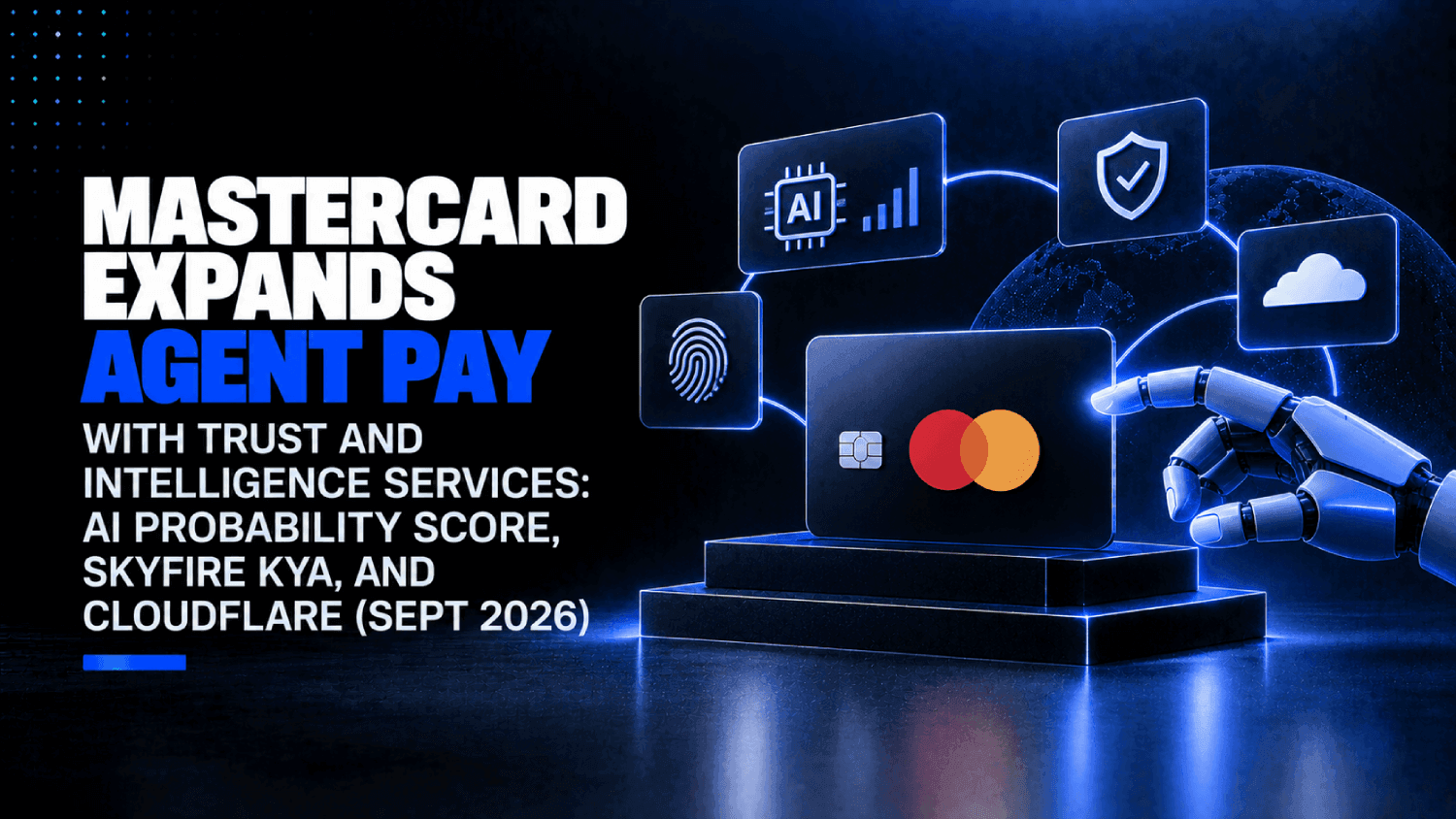
- On Sept. 30, 2026, Mastercard expanded Agent Pay with new trust and intelligence services that give issuers and merchants shared context on AI-initiated transactions (identity, intent, behavioral, and fraud insights).
- The first service, rolling out for testing in the U.S., is a probability score for whether a transaction was initiated by an AI agent, so issuers can approve legitimate agent-led purchases with less blind friction.
- These services sit as the intelligence layer of Mastercard’s Agent Pay Trust Framework (identity, intent, controls, execution, intelligence). Partners named: Cloudflare (privacy-preserving web + payment signal environments) and Skyfire (Know Your Agent / KYA for agent identity and verification).
- This is a news explainer on network risk and authorization context for agent commerce. Distinct from Mastercard x Alchemy AgentCard / Verifiable Intent credentials, ACP vs AP2 vs x402, and Skyfire vs Payman vs Natural vendor shortlists.
Sept. 30, 2026 moves agentic payments from “can the agent spend?” to “can the issuer and merchant tell it was a trusted agent acting inside intent?” Mastercard said Agent Pay now ships trust and intelligence services that pool identity, intent, behavioral, and fraud signals so financial institutions and merchants share a clearer picture of AI-driven activity, with smarter authorization and less unnecessary friction for consumers.
For FintechSpecs operators, the buyer question is authorization and fraud context on card-network agent rails, not credential provisioning and not protocol comparison. Ask what score or signal reaches your issuer decisioning stack, how agent identity is verified, and how that maps to your existing fraud orchestration and dispute evidence.
What Mastercard announced on Sept. 30
Per the Mastercard Business Wire release (Sept. 30, 2026):
- Agent Pay expands with trust and intelligence services that provide greater context for AI-initiated transactions.
- Combined identity, intent, behavioral, and fraud insights give FIs and merchants a shared understanding of AI-driven activity for smarter authorization.
- These services form the intelligence layer of the Agent Pay Trust Framework, which also covers identity, intent, controls, and execution.
- Mastercard cites a projection that one in 10 consumers will routinely use agents to make purchases by 2030 (vendor-framed market thesis, not a measured live volume).
Ann Johnson, executive vice president, Security Solutions at Mastercard, said: “AI agents will make commerce more intuitive, efficient and personal – but only if people and businesses can trust the systems acting on their behalf. By adding new agentic intelligence and risk insights to each transaction, we are giving people the confidence to say ‘yes,’ however they choose to pay.”
Note: Treat “one in 10 by 2030” as Mastercard’s forward-looking framing. Diligence your own agent share of auth volume and false-decline cost before rewriting risk policy around the headline.
The AI probability score (U.S. testing)
The first concrete service is a probability score indicating the likelihood that a transaction was initiated by an AI agent. Mastercard says it is rolling out for testing in the U.S. so issuers can approve legitimate agent-led purchases with more confidence.
Over time, Mastercard says it will strengthen the score with more intelligence on:
- Behavior
- Merchant risk
- Transaction patterns
- Credential risk
- Consumer propensity
Operator take: this is a network-side agent-awareness signal for issuer authorization, not a full Know-Your-Agent product by itself and not a replacement for your fraud platform’s velocity, device, and ATO models.
Shared intelligence signals: what issuers and merchants are supposed to see
Beyond the score, Mastercard describes agentic trust and intelligence signals that answer three authorization questions:
- Is the activity consistent with expected behavior or patterns?
- Does the agent, merchant, credential, or transaction show anything unusual that needs further review?
- Should the transaction be approved, or are additional checks needed?
Mastercard’s travel example: an AI assistant books flight, hotel, and transport with a single consumer approval. Multiple merchants in a short window can look like fraud without agent context. The network’s insight layer is meant to give banks and merchants the context to approve legitimate multi-merchant agent trips, or flag risk before completion.
That is the same class of problem Cleverbridge’s France passkey agentic payment with Visa and Revolut attacked from a checkout authentication angle (passkeys). This Mastercard release attacks it from network intelligence and issuer authorization.
Partners: Cloudflare signals and Skyfire Know Your Agent
Cloudflare
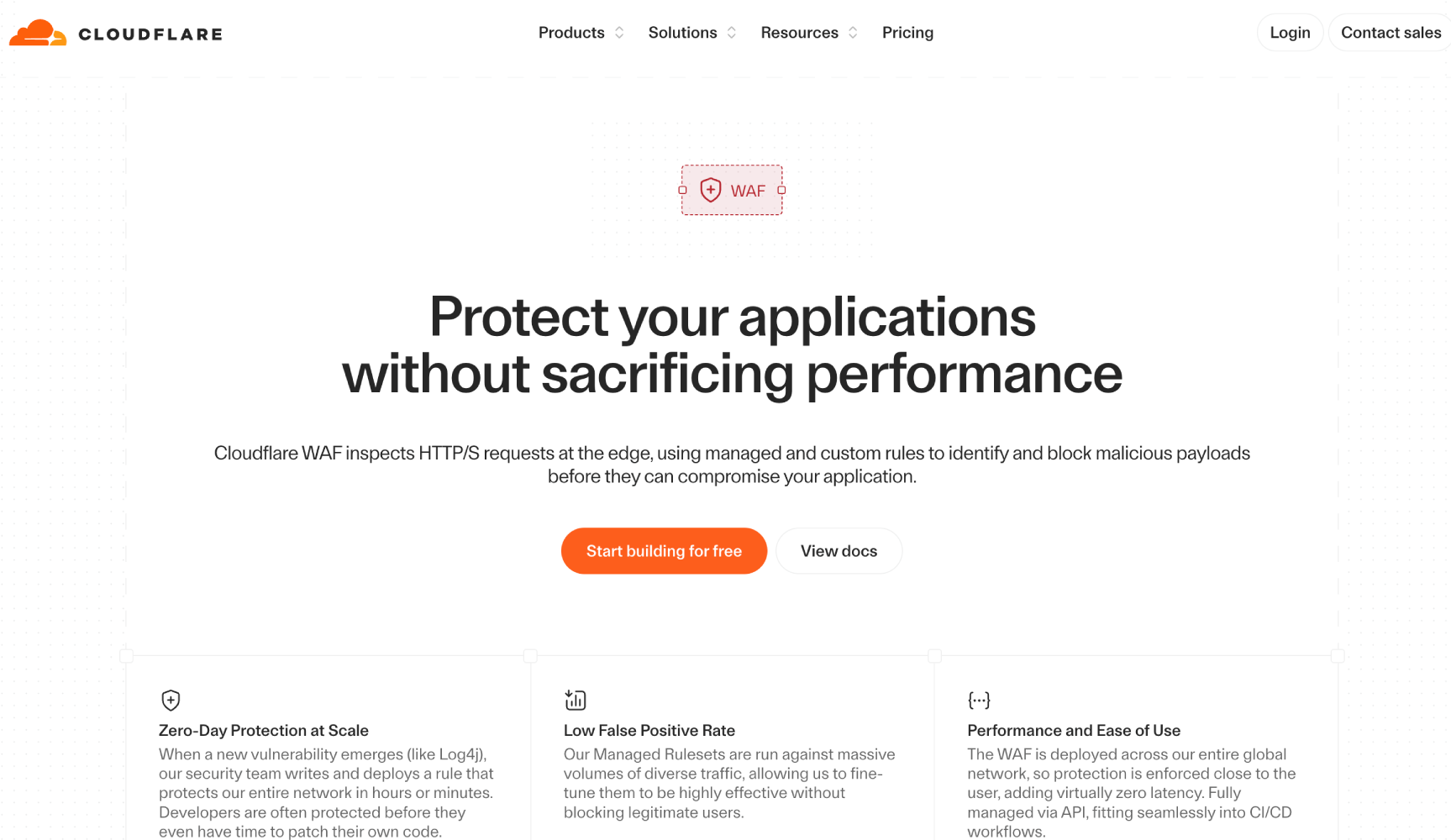
Mastercard says it is working with Cloudflare to create privacy-preserving environments to better understand AI-driven payment activity, exploring how web and payment network signals can give FIs, merchants, and platforms more visibility into AI-powered transactions.
Stephanie Cohen, chief strategy officer at Cloudflare, said: “Trust is the foundation that will determine how far agentic commerce goes. Cloudflare’s network gives us visibility into how AI agents interact with the web, and by combining that with Mastercard’s payment intelligence in privacy-preserving environments, we can give financial institutions and merchants the context they need to approve legitimate AI-driven transactions with confidence.”
Skyfire (KYA)
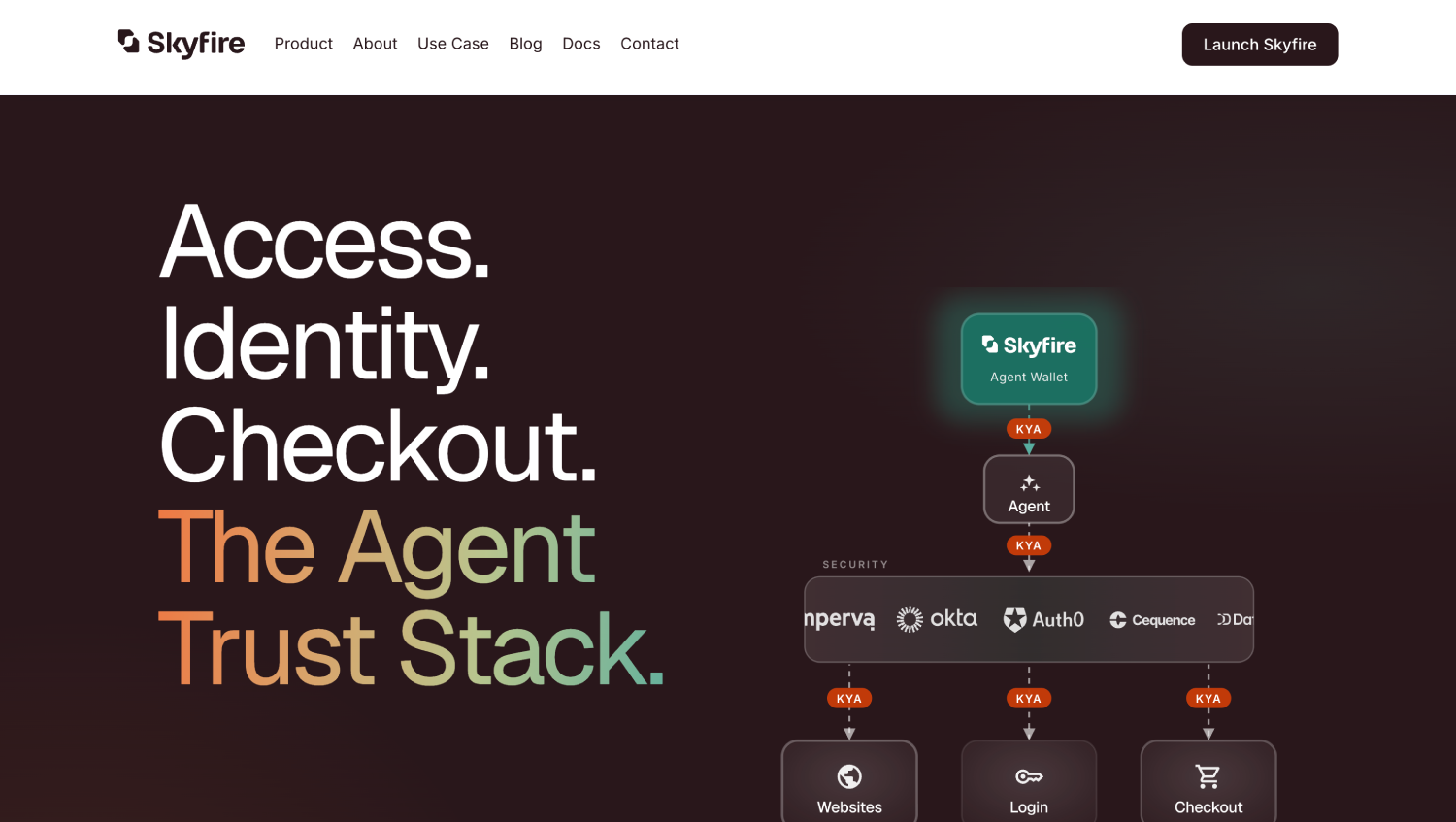
Mastercard is also working with Skyfire, a provider of Know Your Agent (KYA) technology for AI agent identity, verification, and payments, so FIs and merchants can recognize trusted agents, make more informed authorization decisions, and reduce friction for legitimate agent spend.
Amir Sarhangi, CEO and co-founder of Skyfire, said: “Every AI agent that transacts on someone’s behalf should be identifiable, accountable and auditable. That’s the foundation of Know Your Agent. By extending KYA into Mastercard Agent Pay, we’re giving financial institutions and merchants a trusted way to recognize and verify agents across the ecosystem, helping agentic commerce scale securely and with confidence.”
Keep Skyfire vs Payman vs Natural as the vendor shortlist URL. This post is the network integration news URL: KYA inside Mastercard Agent Pay’s trust layer, not a roundup of agent payment infra vendors.
How this differs from Mastercard x Alchemy AgentCard and from protocol posts
Recent FintechSpecs coverage already has the credential + Verifiable Intent story. Keep that URL. Do not merge.
Contrast map
- Sept. 30 trust + intelligence (this post): Network intelligence so issuers/merchants recognize and authorize AI-led spend. Buyer question: will my auth stack get an agent probability / KYA context signal? Artifacts: AI probability score (U.S. test), Trust Framework intelligence layer, Cloudflare + Skyfire. Speakers: Mastercard Security Solutions + partners; Capital One quote.
- Sept. 17 Mastercard x Alchemy AgentCard: Credential provisioning (tokenized Mastercard via Agent Pay) + Verifiable Intent evidence. Buyer question: can my agent pay at Mastercard-accepting merchants with controls? Artifacts: one-time tokens, AgentCard identity/wallet, Verifiable Intent. Speakers: Alchemy + Mastercard Digital Commercialization.
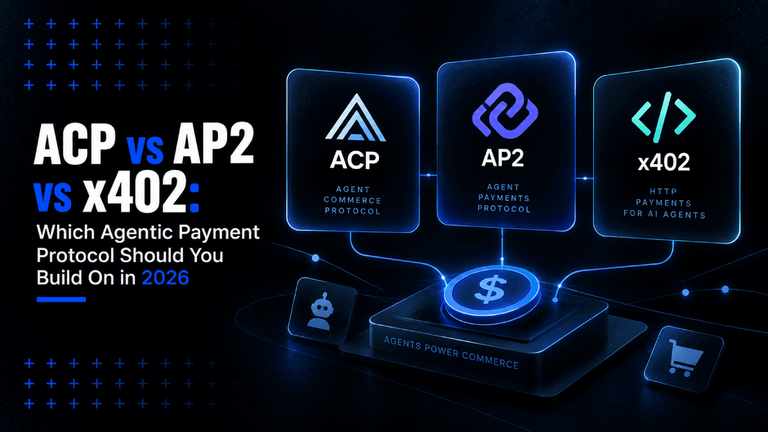
- ACP / AP2 / x402 protocol posts: How agents negotiate and settle intent/payment across protocols. Buyer question: which protocol layer do I implement for agent-native checkout or HTTP pay? Artifacts: ACP checkout, AP2 mandates, x402 402-challenge settlement. Speakers: protocol stewards and infra vendors.
Also keep best AI agent payment infrastructure providers as the category shortlist. Use this explainer when the news is Mastercard’s risk and trust layer, not when the buyer wants a ranked vendor list.
Ecosystem quotes operators should map to ownership
- Capital One (Todd Kennedy, EVP Payments Strategy): visibility into how transactions are initiated, authorized, and executed matters as agents grow; collaboration while safeguarding consumers and merchants.
- Javelin Strategy & Research (Suzanne Sando, Fraud Management): fraud and identity systems need agent awareness, not only cardholder identity; establish whether an agent is trusted, authorized, and inside consumer intent, and distinguish legitimate authorized automation from deceptive automation.
Operator take: Ownership map: issuer risk owns score consumption and decline/friction policy; merchant risk owns unusual multi-merchant patterns; platform product owns agent consent UX; Skyfire-class KYA owns agent identity attestation; Cloudflare-class web signals own bot/agent traffic context. Do not dump all of that into one “AI fraud” ticket.
Risk, controls, and diligence questions
Agentic authorization fails when the network says “agent-like” but your program cannot prove who the agent is, what was approved, or who eats the dispute.
What Mastercard put on the table
- Intelligence layer inside Agent Pay Trust Framework
- U.S. testing of an AI-initiation probability score
- Planned enrichment with behavior, merchant risk, patterns, credential risk, propensity
- Cloudflare collaboration on privacy-preserving web + payment visibility
- Skyfire KYA integration path for recognizing trusted agents
What operators should still design for
- Score is not permission. A high agent probability does not mean the agent was authorized for that amount, merchant, or SKU. Pair with Verifiable Intent / mandate evidence from your Agent Pay credential path (Alchemy AgentCard explainer).
- False declines and false approvals. Ask for score calibration, override paths, and how the score interacts with 3DS, step-up, and soft declines.
- KYA coverage. Which agents are enrolled in Skyfire KYA (or equivalent), and what happens for unrecognized agents that still look “AI-like”?
- Privacy and data sharing. “Privacy-preserving environments” with Cloudflare need a data-flow diagram for your counsel: what leaves the web edge, what enters the payment network, what your FI can store.
- Multi-merchant agent trips. Update fraud rules that currently punish rapid MCC/merchant hopping when a single consumer-approved agent itinerary is the root cause.
- Dispute evidence. Confirm whether intelligence signals and KYA attestations attach to representments the way Verifiable Intent is supposed to attach to authorization proof.
- US-first testing. Diligence market rollout outside the U.S. before promising global agent UX.
- Do not cannibalize protocol work. Network intelligence does not replace ACP/AP2/x402 design choices. Keep ACP vs AP2 vs x402 separate.
Who should care, and what to ask
Prioritize a deep read if you:
- Own issuer authorization, fraud, or card risk for programs expecting agent-led spend
- Run merchant risk or payment ops for travel, marketplace, or high AOV verticals where agents book multi-merchant carts
- Build agent commerce platforms that already integrate Mastercard Agent Pay credentials and need the trust layer roadmap
- Compare network trust signals against specialist agent infra (Skyfire and peers) and your fraud detection stack
Concrete questions for Mastercard, issuer processors, Skyfire, and counsel
- When does the U.S. probability score become generally available to my BIN/program, and in what auth message fields?
- What is the score range, threshold guidance, and documented false-positive behavior on non-agent automation (scripts, RPA, bots)?
- How does the intelligence layer consume Verifiable Intent objects already on Agent Pay?
- Which Skyfire KYA attributes are visible to issuers vs merchants, and what is the enrollment path for our agents?
- What is in scope for the Cloudflare collaboration in production (not just exploration), and what is the privacy model?
- How should we rewrite multi-merchant velocity rules for agent itineraries without opening gift-card cash-out lanes?
- What is the dispute packet when the score said “agent,” KYA said “trusted,” but the purchase was outside consumer intent?
- What is the non-U.S. rollout plan and any scheme-rule changes merchants must accept?
The take: agent awareness becomes an auth feature, not a blog slogan
The Sept. 30 Mastercard release matters because it productizes agent awareness as network intelligence: a U.S.-testing probability score, a Trust Framework intelligence layer, and named paths to Cloudflare web signals and Skyfire KYA. That is the missing middle between “agent has a tokenized card” and “issuer should approve this weird-looking trip booking.”
Operator take: The operator lesson is sharper: agentic commerce scales when authorization systems can tell trusted, intent-bound agents from deceptive automation, not when every release only adds another credential logo.
Treat this as network trust-and-intelligence news for Mastercard Agent Pay. Diligence score access, KYA coverage, privacy data flows, and dispute evidence before you loosen fraud rules for “AI shopping.”
For credential provisioning and Verifiable Intent, keep Mastercard x Alchemy AgentCard. For protocol design, keep ACP vs AP2 vs x402. For agent infra vendors, keep Skyfire vs Payman vs Natural and best AI agent payment infrastructure providers. For checkout-auth contrast, keep Cleverbridge x Visa x Revolut passkey agentic payment.
FAQ
When did Mastercard announce Agent Pay trust and intelligence services?
Sept. 30, 2026, in a Business Wire / Mastercard release.
What is the Agent Pay Trust Framework?
Mastercard’s framing that brings together identity, intent, controls, execution, and intelligence to establish trust across agentic commerce. The Sept. 30 services are described as the intelligence layer of that framework.
What is the AI probability score?
A score indicating the likelihood a transaction was initiated by an AI agent. Mastercard says the first service is rolling out for testing in the U.S. to help issuers approve legitimate agent-led purchases.
How is Skyfire involved?
Mastercard is working with Skyfire to extend Know Your Agent (KYA) into Agent Pay so FIs and merchants can recognize and verify trusted agents.
How is Cloudflare involved?
Mastercard and Cloudflare are exploring privacy-preserving environments that combine web signals (how agents interact with the web) with Mastercard payment intelligence for visibility into AI-powered transactions.
Is this the same as the Mastercard x Alchemy AgentCard news?
No. Alchemy AgentCard (Sept. 17, 2026 coverage on FintechSpecs) is about provisioning tokenized Mastercard credentials and Verifiable Intent. This Sept. 30 story is about network trust/intelligence signals for authorization.
Does this replace ACP, AP2, or x402?
No. Network intelligence helps issuers and merchants authorize agent-led card payments. Protocol stacks solve agent-native negotiation and settlement. Keep separate URLs.
Is the “one in 10 consumers by 2030” figure a measured live metric?
No. It is Mastercard’s projected framing in the release. Treat it as market thesis, not current volume.