
- Most fintech lenders pick a credit decisioning platform by brand name and regret it within 18 months when they hit a rules-engine ceiling or a compliance gap their vendor never designed for.
- The real buying criteria are five, not fifty: rules flexibility, data connector depth, US regulatory coverage, time-to-first-decision, and pricing transparency.
- Platforms divide cleanly into three archetypes: developer-first APIs, no-code policy builders, and enterprise decisioning suites. Picking the wrong archetype wastes more time than picking the wrong vendor within the right one.
- At least two vendors on this list do not publish pricing, which is itself a negotiating signal worth knowing before you start vendor conversations.
- The final shortlist by company type is at the bottom of this article. If you are Series A or earlier, start there.
The best credit decisioning platform for most fintech lenders is not the most feature-rich one. It is the one whose rules architecture matches how your underwriting team actually thinks, whose data connectors cover the bureaus and alternative sources you already use, and whose compliance posture does not require a separate legal opinion before you can ship a new policy. For developer-first teams, Sardine, Zest AI, or Alloy are the most-cited starting points. For no-code policy builders at scale, Provenir and FICO Platform compete most directly. For regulated banks building embedded lending, Temenos and Experian PowerCurve remain dominant.
What Is a Credit Decisioning Platform and Why Does the Category Split Matter?
A credit decisioning platform is the software layer that takes an applicant’s data, runs it through a set of rules, models, or both, and returns an approve, decline, or refer outcome, typically within seconds. It sits between your data sources and your loan origination system, and it is distinct from both.
The category splits in a way that most buying guides obscure. On one side are rules engines: deterministic systems where a policy analyst can write “if bureau score below 620 and debt-to-income above 43%, decline” and the system executes it exactly. On the other are model-driven platforms: systems where a machine learning model assigns a probability of default and the rules layer sits on top of that output. Most modern platforms blend both, but the weight of each shapes everything from your compliance exposure to how fast your ops team can iterate.
The third archetype, emerging fast, is the orchestration layer: platforms that do not do the scoring themselves but route applicant data to the right bureau, model, or policy depending on applicant type. Alloy and Sardine both trend this direction. Knowing which archetype you are buying matters before you evaluate any specific vendor.
If you are also evaluating the broader fintech infrastructure stack your decisioning platform will sit inside, the complete fintech infrastructure stack map is a useful reference for understanding where credit decisioning sits relative to origination, servicing, and fraud.
How Did FintechSpecs Score These Platforms?
Every platform in this list was scored on five criteria, each weighted to reflect what actually determines outcome for a fintech lender in the US market. This scoring model is what we call the FintechSpecs Credit Decisioning Fit Score. It does not reward press mentions or market share. It rewards verifiable, buyer-relevant capability.
| Scoring Criterion | Weight | What It Measures |
|---|---|---|
| Rules and Model Flexibility | 25% | Can non-engineers build and deploy new credit policies without a release cycle? |
| Data Connector Depth | 20% | Native integrations with credit bureaus, bank data APIs, income verification, and alternative data |
| US Regulatory Fit | 25% | ECOA adverse action support, FCRA permissible purpose controls, Fair Lending monitoring, UDAAP auditability |
| Time-to-Decision Speed | 15% | Documented API latency and auto-decisioning rate in production |
| Pricing Transparency | 15% | Is pricing publicly available or is it opaque enough to require an enterprise sales cycle just to know if you can afford it? |
Platforms are grouped into three buying tiers: developer-first, no-code/low-code, and enterprise suite. Sponsored placement is disclosed inline. Scoring methodology is applied identically across all vendors regardless of commercial relationship.
Which Vendors Appear on This List and Why?
The ten platforms below represent the vendors that appeared most consistently in fintech lender evaluation threads, were cited in the SERP data for this category, or have documented production deployments in US consumer or small business lending. Platforms that exclusively serve mortgage or auto were excluded because their regulatory and data profiles differ materially from the fintech lending stack.
10 Best Credit Decisioning Platforms for Fintech Lenders
1. Zest AI
Zest AI builds machine learning credit models trained on traditional bureau data and runs them inside a compliance wrapper designed specifically for US lending law. Its core differentiator is the explainability layer: every model decision generates adverse action codes that map to ECOA and FCRA requirements, which matters enormously when your compliance team is preparing for a state examination.
Zest AI targets credit unions and community banks as much as fintech lenders, which means its Fair Lending monitoring tooling is more mature than most pure-play fintechs. The company reports that lenders using its models see improved approval rates for thin-file borrowers while holding or improving loss rates, though we cannot independently verify specific percentages from public sources.
Pricing is not publicly disclosed. Enterprise sales cycle required. Best for lenders processing enough volume to justify a model deployment project, typically Series B and above.
| Criterion | Score (1-5) | Notes |
|---|---|---|
| Rules and Model Flexibility | 4 | Strong ML, rules layer requires configuration work |
| Data Connector Depth | 4 | Integrates with Equifax, Experian, TransUnion; custom data ingestion available |
| US Regulatory Fit | 5 | Adverse action, FCRA controls, Fair Lending monitoring built-in |
| Time-to-Decision Speed | 4 | Real-time API; latency depends on bureau call chain |
| Pricing Transparency | 1 | No public pricing |
Best for: Regulated fintechs and credit unions that need ML-driven approval rate improvement with built-in compliance auditability.
2. Provenir
Provenir is one of the few platforms in this category that genuinely delivers both a no-code rules builder and a real-time data marketplace in a single product. The policy studio lets credit analysts build decision flows visually, without engineering involvement, which cuts policy deployment time from weeks to days in most implementations.
The Provenir Data Marketplace connects to over 150 data providers globally, including US bureaus, bank data APIs, and alternative data sources. That connector depth is its strongest differentiator against single-bureau integrations or custom-build pipelines. Provenir is used in consumer lending, SMB credit, and embedded finance contexts.
Pricing is not publicly listed. Provenir positions as an enterprise platform, so expect a formal discovery process before getting to numbers. Best for lenders who want policy flexibility without dedicated engineering resources and who need broad data source access.
| Criterion | Score (1-5) | Notes |
|---|---|---|
| Rules and Model Flexibility | 5 | No-code policy builder plus ML model integration |
| Data Connector Depth | 5 | 150+ data providers in marketplace |
| US Regulatory Fit | 4 | Adverse action support; US-specific Fair Lending tooling less prominent than Zest AI |
| Time-to-Decision Speed | 4 | Real-time decisioning; latency scales with data sources called |
| Pricing Transparency | 1 | No public pricing |
Best for: Seed-to-Series B lenders who want to keep policy control in the credit team’s hands without building a rules engine from scratch.
3. Alloy
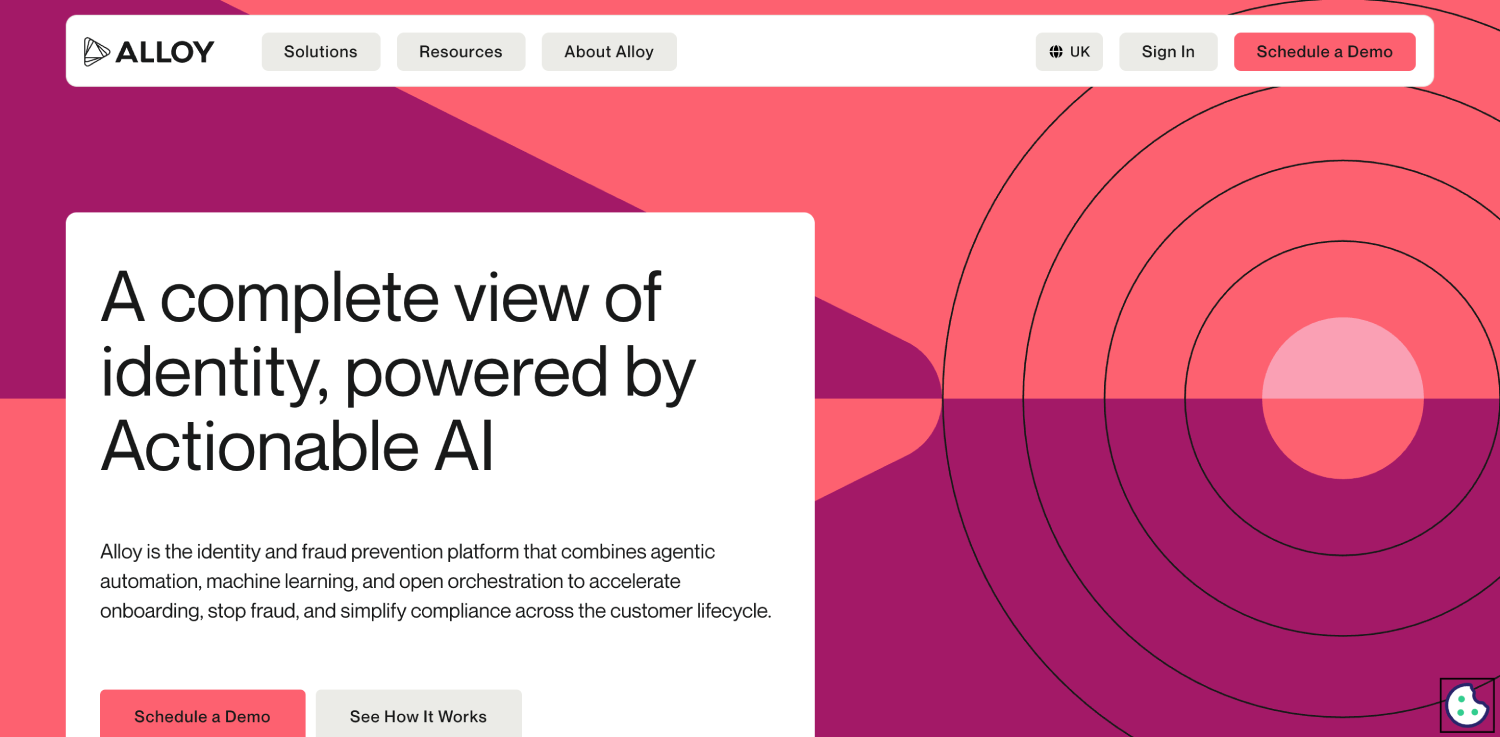
Alloy started as a KYC orchestration platform and has expanded into full credit decisioning, which gives it an unusual edge: identity verification, fraud signals, and credit policy can run in a single decision flow. For lenders where the application fraud problem is as live as the credit risk problem, that consolidation reduces both integration complexity and decision latency.
Alloy’s rules engine is no-code, its data partnerships span bureaus, income verification providers, and bank data APIs, and its audit logging is built to satisfy compliance requirements. The platform’s weakness relative to Zest AI is that its ML capabilities are less mature for pure credit scoring; it is more powerful as an orchestration and policy layer than as a model-training environment.
Pricing is not publicly listed. For teams already evaluating Alloy for identity decisioning, the credit expansion is a logical consolidation play. For a detailed comparison of Alloy’s identity orchestration posture against a close competitor, see the Alloy vs Persona identity orchestration comparison.
| Criterion | Score (1-5) | Notes |
|---|---|---|
| Rules and Model Flexibility | 4 | No-code rules; ML less mature for credit scoring specifically |
| Data Connector Depth | 4 | Strong on identity + fraud data; bureau integrations solid |
| US Regulatory Fit | 4 | Adverse action support; compliance audit logs strong |
| Time-to-Decision Speed | 4 | Real-time; single API call for multi-step decision |
| Pricing Transparency | 1 | No public pricing |
Best for: Lenders who want to consolidate identity verification and credit decisioning in a single orchestration layer, particularly where application fraud is a top-of-funnel risk.
4. FICO Platform
FICO Platform (formerly known in part as FICO Decision Management Suite) is the category incumbent, and its tenure shows in both directions. The rules engine is battle-hardened, the analytics tooling is deep, and the US regulatory coverage is comprehensive. The integration effort and enterprise sales process are both substantial, making it a difficult fit for anything smaller than a well-funded Series B.
FICO’s differentiator is its score network: the FICO Score is the reference standard for most US credit decisions, and building your policy layer inside the same vendor’s platform simplifies the data flow. The FICO Platform also supports Champion/Challenger testing natively, which lets lenders run policy experiments against live traffic without a code deployment.
Pricing is not publicly disclosed. Expect six-figure annual contracts at minimum. Best for mid-market and enterprise lenders that need enterprise-grade governance and have the technical resources to implement it.
| Criterion | Score (1-5) | Notes |
|---|---|---|
| Rules and Model Flexibility | 5 | Champion/Challenger, decision trees, ML model integration |
| Data Connector Depth | 4 | All three bureaus; custom data integration requires professional services |
| US Regulatory Fit | 5 | Comprehensive adverse action, FCRA, Fair Lending, UDAAP tooling |
| Time-to-Decision Speed | 4 | Real-time capability; implementation complexity can slow production deployment |
| Pricing Transparency | 1 | No public pricing; enterprise contracts only |
Best for: Established lenders with dedicated risk engineering teams who need the deepest policy governance tooling in the market and can accept a longer implementation timeline.
5. Experian PowerCurve

Experian PowerCurve is the decisioning platform built directly into Experian’s data infrastructure, which means bureau data, alternative credit data, and fraud scores can all flow into the decision engine without a separate integration contract. That tightly coupled data-to-decision architecture reduces latency and eliminates a category of vendor management overhead.
PowerCurve supports the full lifecycle from acquisition through account management, but given the cannibalization guardrail for this article, the relevant scope here is its credit decisioning and policy management capability. Its Originations module handles application scoring, waterfall bureau pulls, and automated decisioning with adverse action reason code generation. Implementation is complex, and it is designed for lenders with internal analytics teams.
Pricing is not publicly listed. Experian’s commercial relationship with your bureau data contract will influence the platform pricing conversation. Best for lenders already working with Experian who want to reduce their data-to-decision vendor count.
| Criterion | Score (1-5) | Notes |
|---|---|---|
| Rules and Model Flexibility | 4 | Policy studio with decision tree support; ML requires separate configuration |
| Data Connector Depth | 5 | Native Experian data access; other bureau pulls available |
| US Regulatory Fit | 5 | Adverse action, FCRA, Fair Lending compliance tooling built in |
| Time-to-Decision Speed | 4 | Real-time; Experian data pull latency is well-optimized |
| Pricing Transparency | 1 | No public pricing |
Best for: Lenders already using Experian for bureau data who want to consolidate decisioning into a single vendor relationship.
6. Lendflow
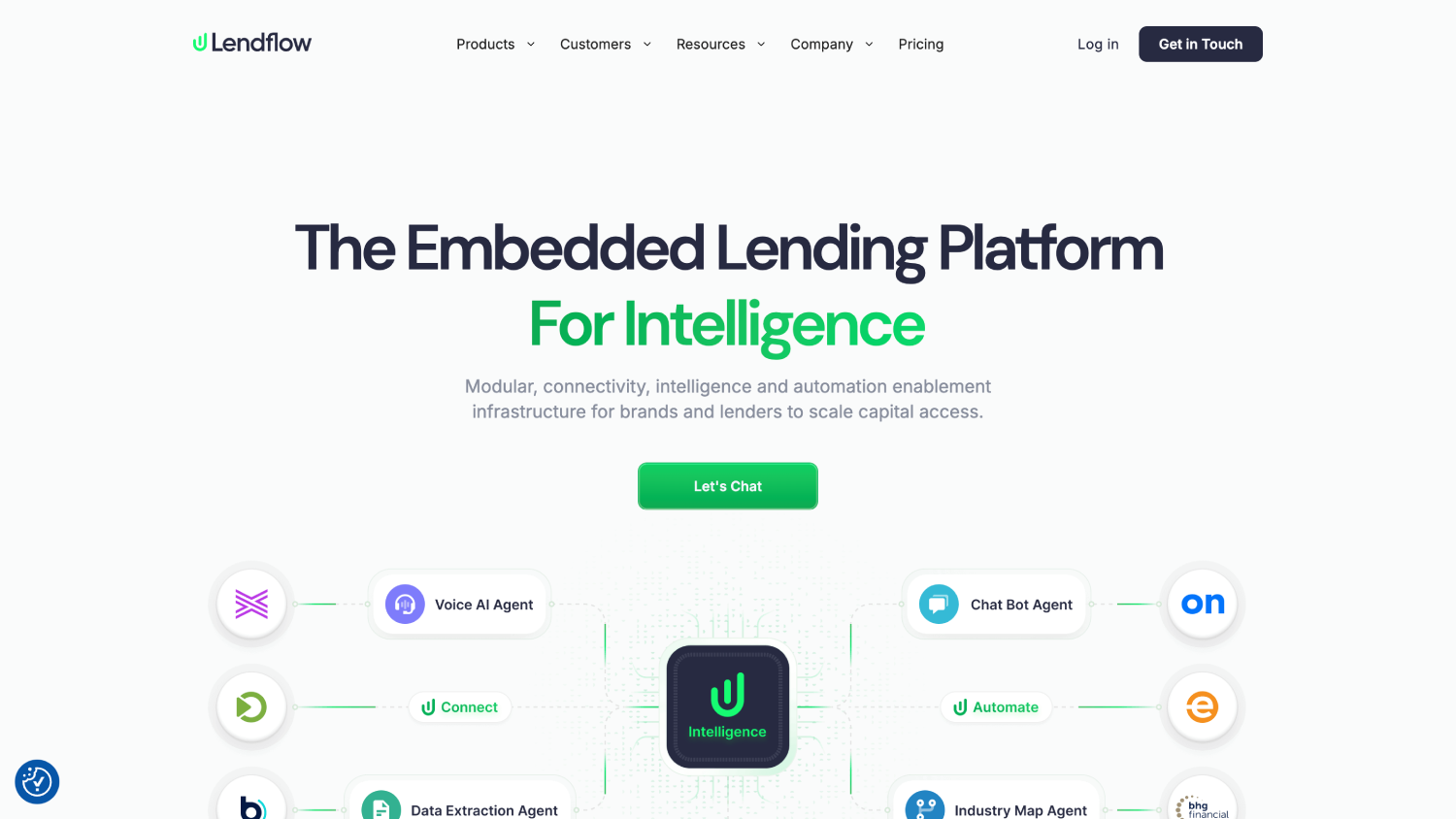
Lendflow takes a different architectural position from the enterprise platforms above. It is an API-first credit intelligence layer designed specifically for embedded lending and B2B platforms that want to offer credit products to their users. The decisioning API ingests business credit data, bank transaction data, and identity signals and returns a credit decision that can be embedded into a partner platform’s UX.
Lendflow’s strength is speed to production. Platforms building embedded SMB lending can connect to the API in days rather than the months that a FICO or PowerCurve implementation requires. The trade-off is depth: Lendflow’s policy customization and Fair Lending analytics tooling are less mature than enterprise alternatives. For early-stage embedded credit, that trade-off is often the right one.
Pricing is not publicly disclosed. Best for B2B SaaS platforms and marketplaces adding embedded credit for small business customers rather than for direct lenders running full consumer credit programs. Teams exploring embedded credit API options more broadly may find the embedded credit API comparison for B2B platforms useful context.
| Criterion | Score (1-5) | Notes |
|---|---|---|
| Rules and Model Flexibility | 3 | API-driven; policy customization less mature |
| Data Connector Depth | 3 | Business credit and bank data; consumer bureau depth thinner |
| US Regulatory Fit | 3 | Adverse action support; Fair Lending tooling less mature |
| Time-to-Decision Speed | 5 | Days to production; API latency fast |
| Pricing Transparency | 2 | No public pricing; startup-friendly sales process reported |
Best for: Series A or earlier B2B platforms adding embedded SMB credit without the resources to build or implement an enterprise decisioning suite.
7. Sardine
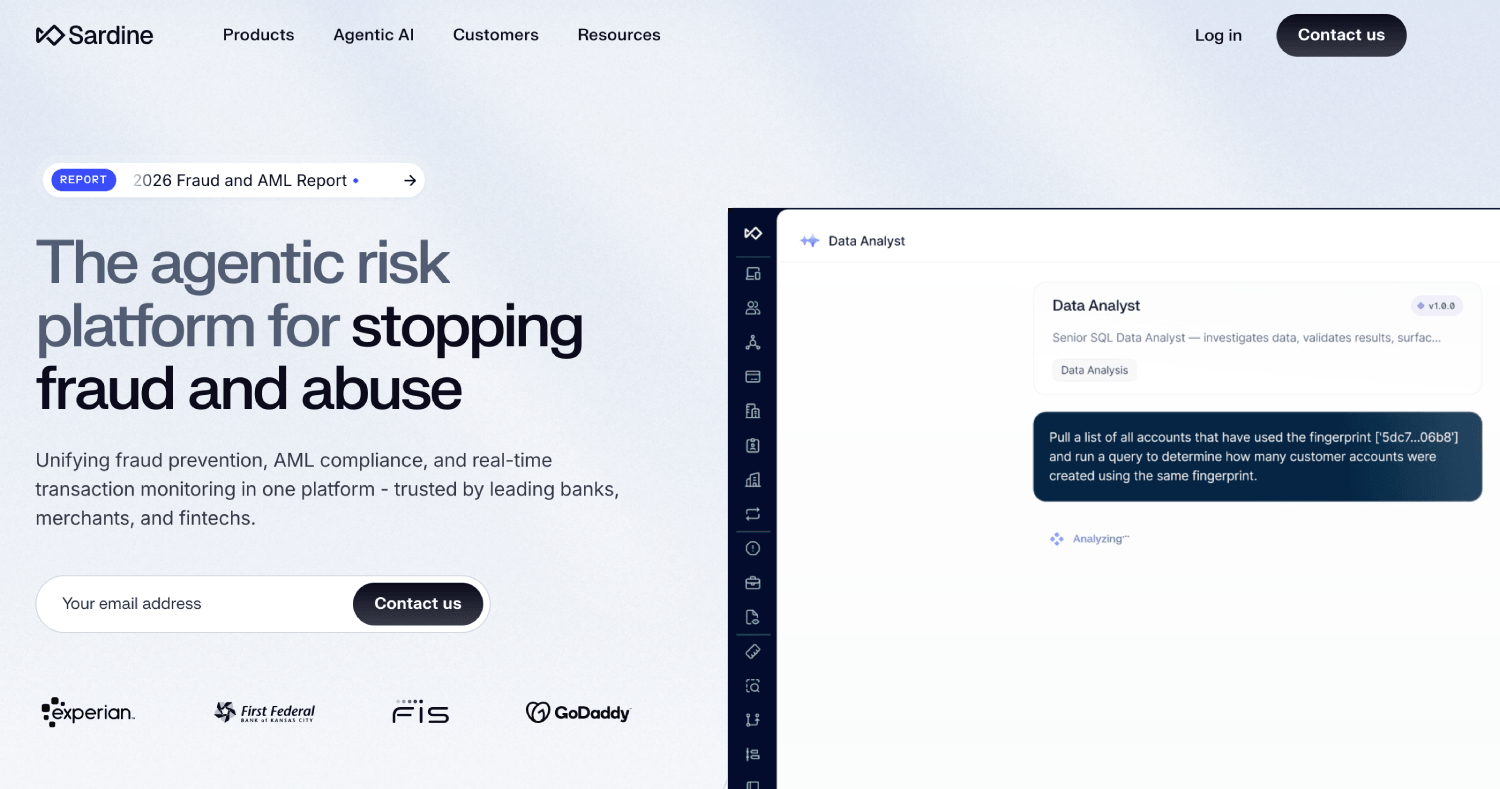
Sardine combines fraud detection and compliance tooling with a real-time rules engine capable of handling credit eligibility decisions in a single pass. Its device intelligence, behavioral biometrics, and bank account verification signals are inputs that few pure-play credit decisioning platforms have natively, which gives it a specific advantage for lenders where fraud risk and credit risk surface at the same point in the funnel.
For lenders where the line between fraud risk and credit risk is thin , which is most consumer fintech lenders today , Sardine reduces decision latency by collapsing what would otherwise be two separate API calls. It is not a replacement for a full credit rules engine if you need complex underwriting policy logic, but it is a strong complement or first-pass filter. Its credit policy depth and Fair Lending tooling are less mature than dedicated platforms like Provenir or Zest AI, which is worth factoring into evaluations where regulatory scrutiny is high.
Pricing is not publicly listed. Best for lenders who are losing money to application fraud as much as to credit losses and want to address both in a single decision layer.
| Criterion | Score (1-5) | Notes |
|---|---|---|
| Rules and Model Flexibility | 3 | Rules engine strong for fraud; credit policy depth less mature than dedicated platforms |
| Data Connector Depth | 4 | Device, behavioral, bank account, and identity signals; bureau integration available |
| US Regulatory Fit | 3 | Adverse action support; compliance tooling still maturing for pure credit use cases |
| Time-to-Decision Speed | 5 | Sub-second real-time; designed for high-volume consumer applications |
| Pricing Transparency | 2 | No public pricing; usage-based model reported by users |
Best for: Consumer fintech lenders where application fraud is the dominant loss driver and credit policy is relatively simple.
8. ACTICO
ACTICO is a European-origin rules engine and credit decisioning platform with meaningful US fintech adoption, particularly among regulated lenders who want a dedicated decision management system rather than a data-bundled platform. Its visual decision modeling interface is among the most mature in the category, and it supports complex decision logic that a business analyst can maintain without engineering support.
ACTICO’s US regulatory tooling covers adverse action reason codes and audit logging. Its data connector depth is thinner than Provenir’s out of the box, meaning more custom integration work for bureau pulls and alternative data. That is a real cost for early-stage teams but manageable for lenders with existing bureau relationships.
Pricing is not publicly listed. Best for regulated lenders who need strong policy modeling flexibility and have existing bureau relationships they need to bring into a new rules engine.
| Criterion | Score (1-5) | Notes |
|---|---|---|
| Rules and Model Flexibility | 5 | Visual decision modeling; among the most flexible in category |
| Data Connector Depth | 3 | Thinner native connector depth; custom integration required |
| US Regulatory Fit | 4 | Adverse action, audit logging; Fair Lending monitoring requires configuration |
| Time-to-Decision Speed | 4 | Real-time capable; implementation timeline affects time-to-production |
| Pricing Transparency | 1 | No public pricing |
Best for: Lenders who need strong rules modeling depth and have the engineering resources to manage their own data connectors.
9. Pega Underwriting Automation
Pega’s Underwriting Automation product sits inside the broader Pega Platform, which means it comes with workflow automation, case management, and customer engagement tooling that a standalone decisioning engine does not provide. For lenders who have a large referred-decision population, meaning applications that do not auto-decision and require manual review, that workflow layer has real operational value.
Pega’s credit decisioning strength is in commercial and SMB lending, where applications frequently require document collection, manual underwriter review, and multi-stage approval workflows. Consumer auto-decisioning at high volume is not Pega’s primary use case. The platform is heavy to implement and best suited to lenders with dedicated implementation budgets.
Pricing is not publicly listed. Pega operates on enterprise contract terms. Best for commercial lenders and SMB lenders with complex manual review workflows that need more than a pure rules engine.
| Criterion | Score (1-5) | Notes |
|---|---|---|
| Rules and Model Flexibility | 4 | Strong decision logic; workflow automation a key differentiator |
| Data Connector Depth | 3 | Bureau integrations available; alternative data requires custom work |
| US Regulatory Fit | 4 | Adverse action, compliance reporting; workflow audit trail strong |
| Time-to-Decision Speed | 3 | Designed for mixed auto/manual workflows; not optimized for pure-speed consumer decisioning |
| Pricing Transparency | 1 | No public pricing; significant implementation cost expected |
Best for: Commercial and SMB lenders with significant manual review queues who need workflow automation alongside decisioning logic.
10. Inscribe
Inscribe occupies a narrower but increasingly important slot: automated document fraud detection and financial data extraction for underwriting decisions. It does not run a credit rules engine, but it produces the verified income, revenue, and bank statement data that feeds one. For lenders where document fraud in the application pile is a material loss driver, Inscribe closes a gap that most decisioning platforms leave open.
Inscribe uses machine learning to detect altered or synthetic documents and to extract structured financial data from bank statements, tax returns, and pay stubs. That structured output can then feed directly into a Provenir, Alloy, or FICO policy flow. It works best as a component in a multi-vendor decisioning stack rather than a standalone decisioning platform.
Pricing is not publicly disclosed. Best for lenders doing document-heavy underwriting, particularly SMB lenders reviewing business bank statements and tax returns as primary underwriting inputs, where the volume of manually reviewed documents creates meaningful fraud exposure. For broader context on how lenders detect synthetic identity and application fraud upstream of the decisioning layer, the application fraud and synthetic identity tool comparison for lenders covers adjacent tooling in detail.
| Criterion | Score (1-5) | Notes |
|---|---|---|
| Rules and Model Flexibility | 2 | Not a rules engine; outputs feed into decisioning platforms |
| Data Connector Depth | 4 | Deep document extraction; integrates with multiple decisioning layers |
| US Regulatory Fit | 3 | Fraud detection compliance; not a primary adverse action platform |
| Time-to-Decision Speed | 4 | API-first; document processing adds seconds, not minutes |
| Pricing Transparency | 2 | No public pricing; API-based usage model reported |
Best for: SMB and consumer lenders doing document-heavy underwriting who need automated fraud detection at the document layer before the credit decision runs.
Frequently Asked Questions
What is a credit decisioning platform?
A credit decisioning platform is software that sits between your data sources and your loan origination system. It ingests applicant data, applies rules, machine learning models, or both, and returns an approve, decline, or refer outcome, typically in seconds. It is distinct from your LOS and from the credit bureaus themselves. Most platforms blend deterministic rules engines with model-driven scoring, but the weight of each affects your compliance exposure, iteration speed, and how much engineering involvement your credit team needs day-to-day.
How do the three main platform archetypes differ?
Developer-first platforms (like Alloy or Sardine) expose APIs and expect your engineering team to own the integration. No-code policy builders (like Provenir) let credit analysts build and deploy decision flows without engineering involvement. Enterprise decisioning suites (like FICO Platform or Experian PowerCurve) offer the broadest feature sets but carry longer implementation timelines and higher cost floors. Picking the wrong archetype for your team’s composition tends to waste more time than picking the wrong specific vendor within the right archetype.
What US regulatory requirements should a credit decisioning platform support?
At minimum, a platform operating in US consumer or SMB lending should support ECOA-compliant adverse action reason codes, FCRA permissible purpose controls, and Fair Lending monitoring. UDAAP auditability, meaning the ability to reconstruct exactly why a decision was made, is increasingly expected by state and federal examiners. Platforms that generate adverse action codes automatically from model outputs, rather than requiring manual mapping, reduce compliance overhead significantly and matter most when your team is preparing for a regulatory examination.
Do any of these platforms publish their pricing publicly?
Most do not. Zest AI and Provenir, among others on this list, do not disclose pricing publicly and require an enterprise sales process before you reach a number. Platforms that withhold pricing typically use consumption-based or per-decision models that vary enough by volume to make list pricing genuinely difficult. That said, opacity is also a negotiating signal: if a vendor won’t quote a range until you’ve completed a full discovery cycle, factor that timeline cost into your evaluation, especially if you’re pre-Series B.
Which platform is best for an early-stage fintech lender?
Early-stage lenders, seed to Series A, generally benefit most from platforms that offer no-code policy control, transparent pricing, and fast integration timelines. Platforms requiring long enterprise sales cycles or model deployment projects are better suited for Series B and above, where volume justifies the investment. Alloy and Provenir are commonly cited starting points for teams that want to keep credit policy in the hands of analysts rather than engineers, without building a rules engine from scratch.
How is automated underwriting different from a credit rules engine?
A credit rules engine executes deterministic logic: if a condition is met, a specific outcome follows. An automated underwriting platform typically layers machine learning on top, producing a probability of default that the rules layer then acts on. Automated underwriting can improve approval rates for thin-file borrowers by finding signal in non-traditional data that rules alone would miss. The tradeoff is explainability: model-driven decisions require additional tooling to generate the adverse action codes that US lending law requires.