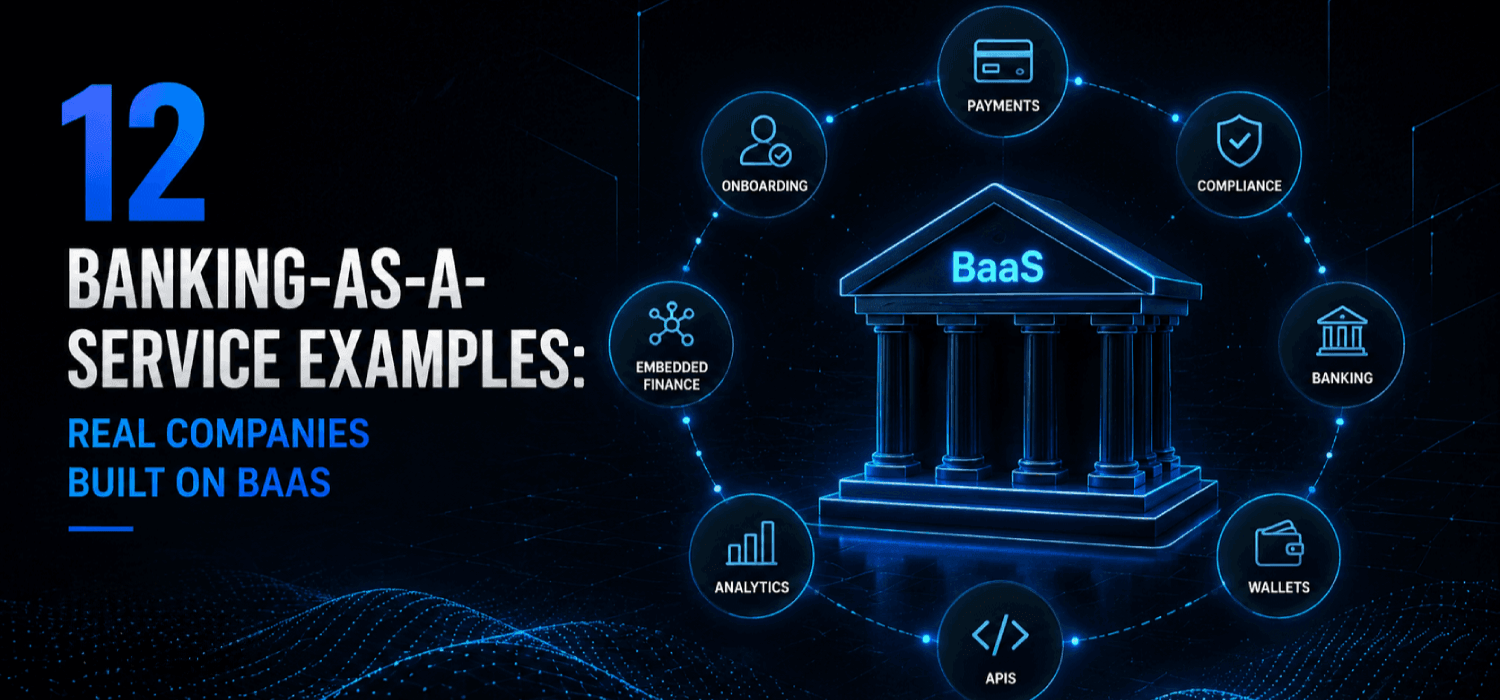

- Banking-as-a-Service lets non-banks embed accounts, cards, loans, and payments directly into their products by connecting to a licensed bank through an API middleman.
- The pattern is always the same: a software company picks a BaaS platform (Unit, Synctera, Treasury Prime, etc.), which sits between them and a sponsor bank holding the charter and the deposits.
- Companies across vertical SaaS, gig economy, SMB software, and consumer apps are doing this right now, not just fintech startups.
- The 12 banking-as-a-service examples below map each company to its provider and embedded product, so you can see exactly which architecture fits which business model.
Banking-as-a-Service is a model where a licensed bank opens its infrastructure to third parties through APIs, letting non-bank companies offer FDIC-insured accounts, debit cards, ACH transfers, and lending products under their own brand. The bank holds the charter and regulatory liability. A BaaS middleware platform handles the API layer. The software company builds the product experience on top.
What Does BaaS Actually Look Like in Practice?
Most descriptions of BaaS stop at the definition. The more useful question is who is using it and what they built with it, because the architecture only becomes legible through real deployments.
Every BaaS deployment has three layers. First, a sponsor bank that holds the banking license and FDIC coverage. Second, a BaaS platform (the middleware) that abstracts the bank’s core systems into developer-friendly APIs. Third, a software company that builds a product experience on top of those APIs without becoming a bank itself. If you want to understand the economics underneath this structure, the hidden economics of Banking-as-a-Service break down where revenue actually flows across all three layers.
The 12 banking-as-a-service examples below follow a consistent format: company, BaaS provider, sponsor bank (where public), and the embedded product they built. Use this as a reference map before you evaluate platforms.
The FintechSpecs BaaS Stack Map: 12 Real Companies
| Company | BaaS Platform | Sponsor Bank | Embedded Product | Category |
|---|---|---|---|---|
| Relay Financial | Thread Bank / direct | Thread Bank | Business checking, ACH, virtual cards for SMBs | SMB banking |
| Nearside | Synctera | Lineage Bank | Business checking + cashback debit for small businesses | SMB banking |
| Roofstock | Unit | Blue Ridge Bank | Property owner accounts, rent collection, FDIC-insured deposits | Proptech / vertical SaaS |
| HoneyBook | Unit | Blue Ridge Bank | Business bank accounts for independent service businesses | Vertical SaaS |
| Juno | Synapse (pre-collapse) | Evolve Bank | Crypto-friendly checking with rewards (now restructured) | Consumer neobank |
| Parafin | Cross River Bank / direct | Cross River Bank | Revenue-based merchant cash advances embedded in platform dashboards | Embedded lending |
| Jobber | Stripe Treasury | Goldman Sachs (via Stripe) | Business accounts and instant payouts for home service pros | Vertical SaaS |
| Freshbooks | Stripe Treasury | Goldman Sachs (via Stripe) | Banking dashboard embedded in invoicing software | Accounting SaaS |
| Lyft (driver banking) | Stride Bank / direct | Stride Bank | Driver debit card with instant pay after rides | Gig economy |
| DoorDash (Dasher Direct) | Payfare / Stride Bank | Stride Bank | Prepaid Visa with instant earnings for delivery drivers | Gig economy |
| Shopify Balance | Stripe Treasury | Goldman Sachs (via Stripe) | Merchant accounts with cashback card built into Shopify admin | eCommerce SaaS |
| Brex | Column Bank / direct | Column Bank | Business accounts, FDIC-insured deposits, and treasury for startups | Corporate finance |
How Vertical SaaS Companies Use BaaS to Add Accounts Without a Charter
Vertical SaaS is where BaaS adoption has accelerated fastest. Companies like HoneyBook and Jobber already had daily active users managing their businesses inside their platforms. Adding a bank account converts that workflow into a financial relationship, and financial relationships generate interchange revenue and reduce churn simultaneously.
HoneyBook used Unit to embed a business checking account directly into its client management platform for photographers, wedding planners, and consultants. The account shows up inside the same dashboard where users send invoices and sign contracts. Users do not go to a bank. The bank comes to where they already work.
Jobber took the same path with Stripe Treasury, embedding accounts and instant payouts for plumbers, landscapers, and HVAC companies. For a one-person plumbing business, getting paid at job completion instead of waiting for ACH settlement is a tangible product improvement, not a financial feature.
Why Unit Became the Default for Vertical SaaS Startups
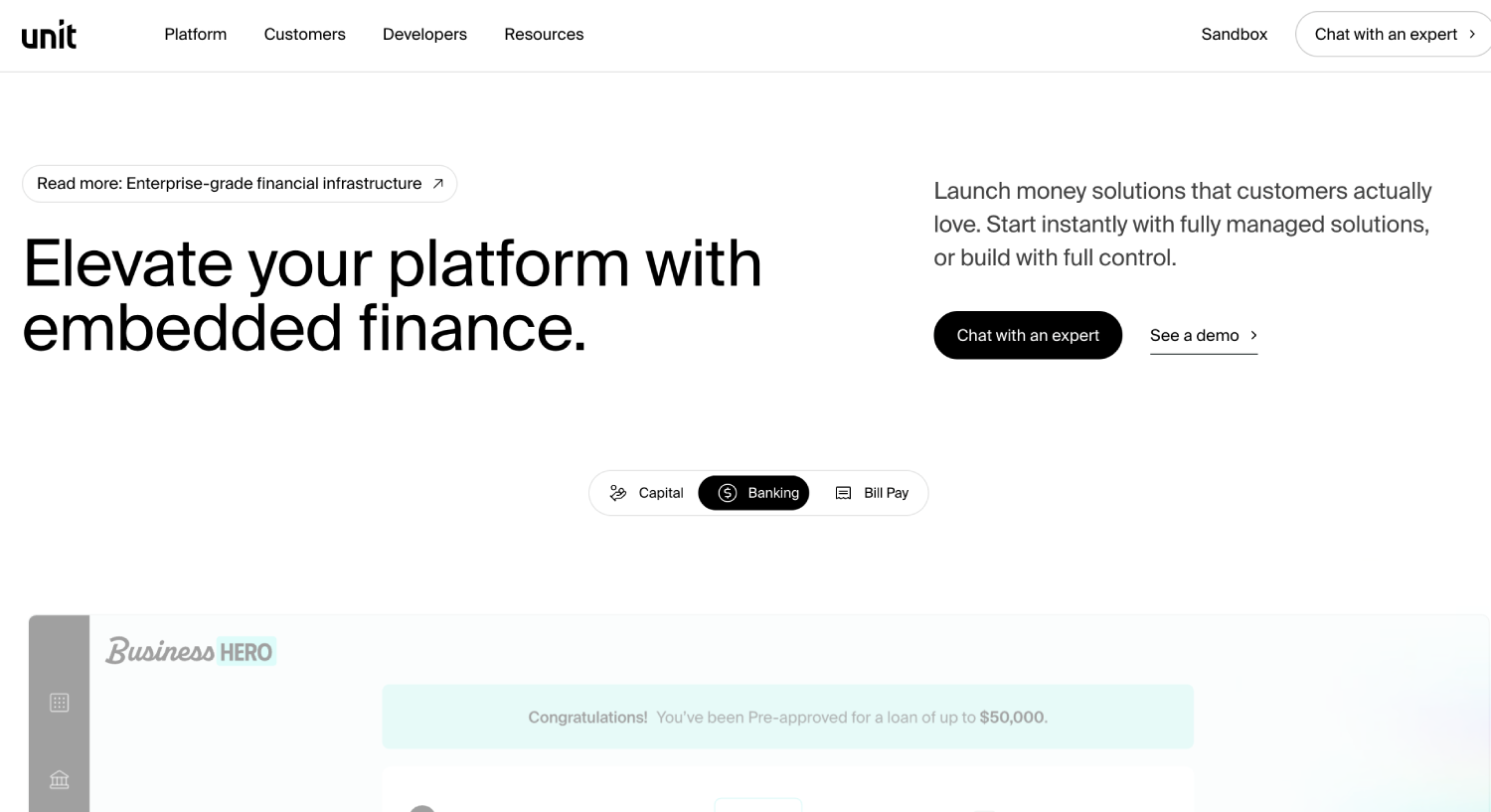
Unit positioned itself as the BaaS platform that requires the least compliance overhead for the product builder. It bundles KYC, fraud monitoring, and ACH origination into a single API contract, which matters for a 20-person SaaS company that does not have a compliance team. Roofstock used Unit to build property owner deposit accounts into its real estate investing platform, again without applying for a banking charter.
Unit’s model places most of the compliance burden on the sponsor bank and on Unit’s own compliance layer. That is attractive to non-financial companies that want the revenue of a bank account without the regulatory surface area. Our roundup of the best Banking-as-a-Service platforms covers Unit, Synctera, Treasury Prime, and the other main contenders in depth.
How Gig Economy Platforms Use BaaS to Pay Workers Instantly
Gig economy BaaS is a different use case than vertical SaaS. The goal is not adding banking to a software workflow. It is replacing the ACH payout cycle that workers hate. Standard ACH takes one to three business days. A driver who completes a shift at 11 PM on a Friday cannot access that money until Monday morning under traditional bank rails.
DoorDash solved this with Dasher Direct, a prepaid Visa card powered by Payfare and Stride Bank. Dashers can have their earnings deposited after every delivery rather than waiting for weekly settlement. The card also offers cashback on gas purchases, a genuine incentive for people who drive for a living.

Lyft built a nearly identical product with its Express Pay and Lyft Direct debit card. Drivers get a Stride Bank-issued card and can withdraw earnings immediately after rides. Both programs convert the payment relationship into a daily banking relationship, which generates interchange every time a driver swipes for gas, groceries, or rent.
The Interchange Logic Behind Gig Economy Banking
Every time a Dasher swipes their Dasher Direct card at a gas station, DoorDash earns a share of the interchange fee the merchant pays. Over millions of transactions per month, that revenue accumulates without DoorDash operating as a bank or holding a single dollar on deposit overnight. The BaaS provider and sponsor bank handle the regulatory side. DoorDash handles the product and earns on volume.
For a full breakdown of how revenue flows across these structures, how fintech infrastructure companies actually make money explains the interchange split, deposit float, and subscription fee mechanics that make BaaS profitable for all three layers.
How Shopify, Freshbooks, and Stripe Treasury Fit Together
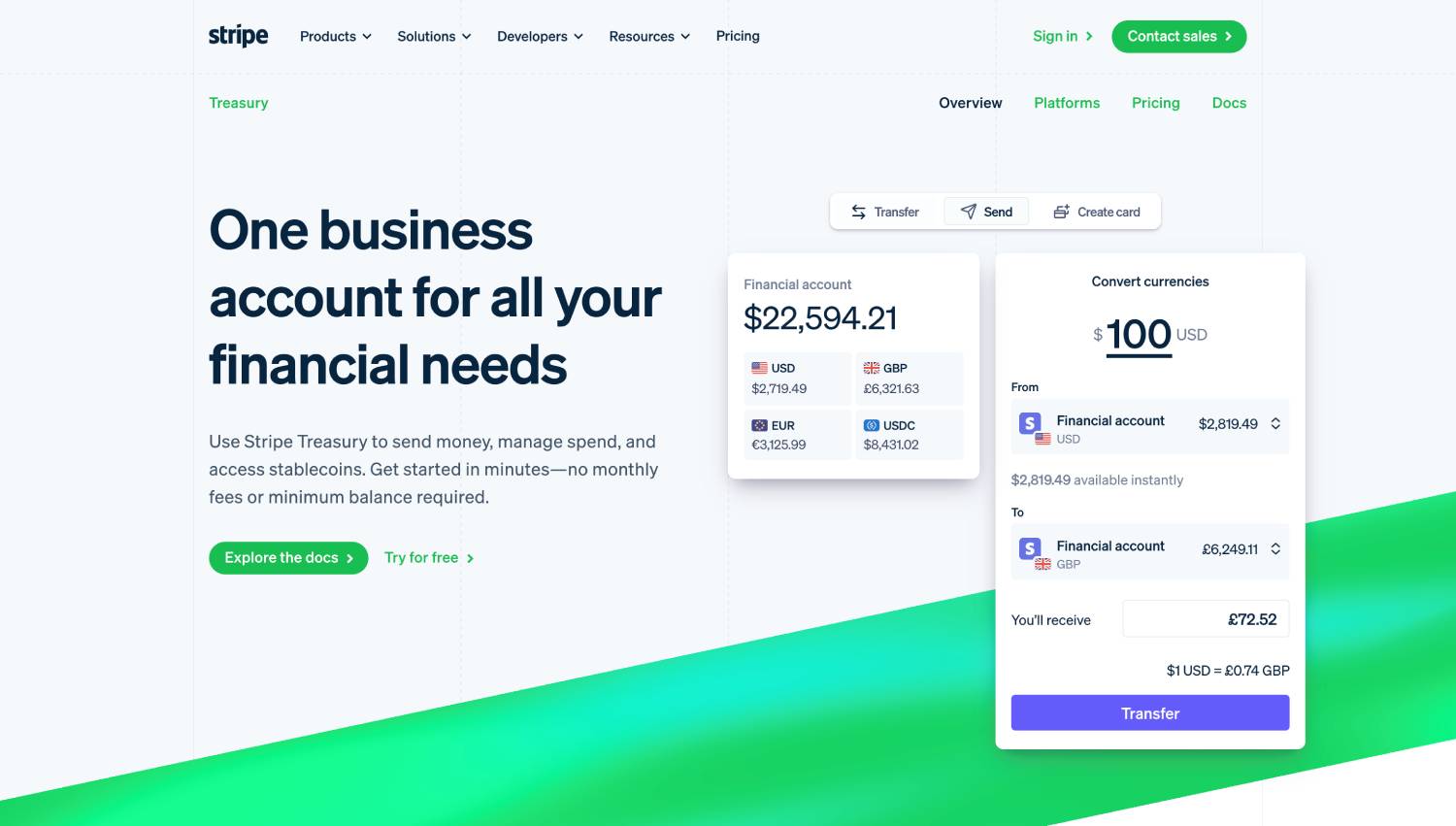
Stripe Treasury is the most visible BaaS middleware in production today. It uses Goldman Sachs as its primary sponsor bank, and it powers the embedded banking features inside Shopify Balance, Freshbooks, and several other SaaS products. Stripe handles the API layer, Goldman holds the deposits and the charter, and the SaaS company builds the front-end experience.
Shopify Balance is the clearest example of how an eCommerce platform can add a bank account without distracting from its core product. Merchants manage their balance, view payouts, and use a Shopify cashback card directly inside the Shopify admin panel they already use every day. They never open a separate banking app. Stripe Treasury made this possible in under 12 months of product development time for Shopify’s team, according to public statements from Shopify at launch.
Freshbooks took a similar approach, embedding a business banking dashboard inside its invoicing software. For freelancers and small agencies that live inside Freshbooks for billing, having their account balance in the same view as their invoices creates a tighter feedback loop on cash flow.
How Brex Moved Closer to the Sponsor Bank Layer
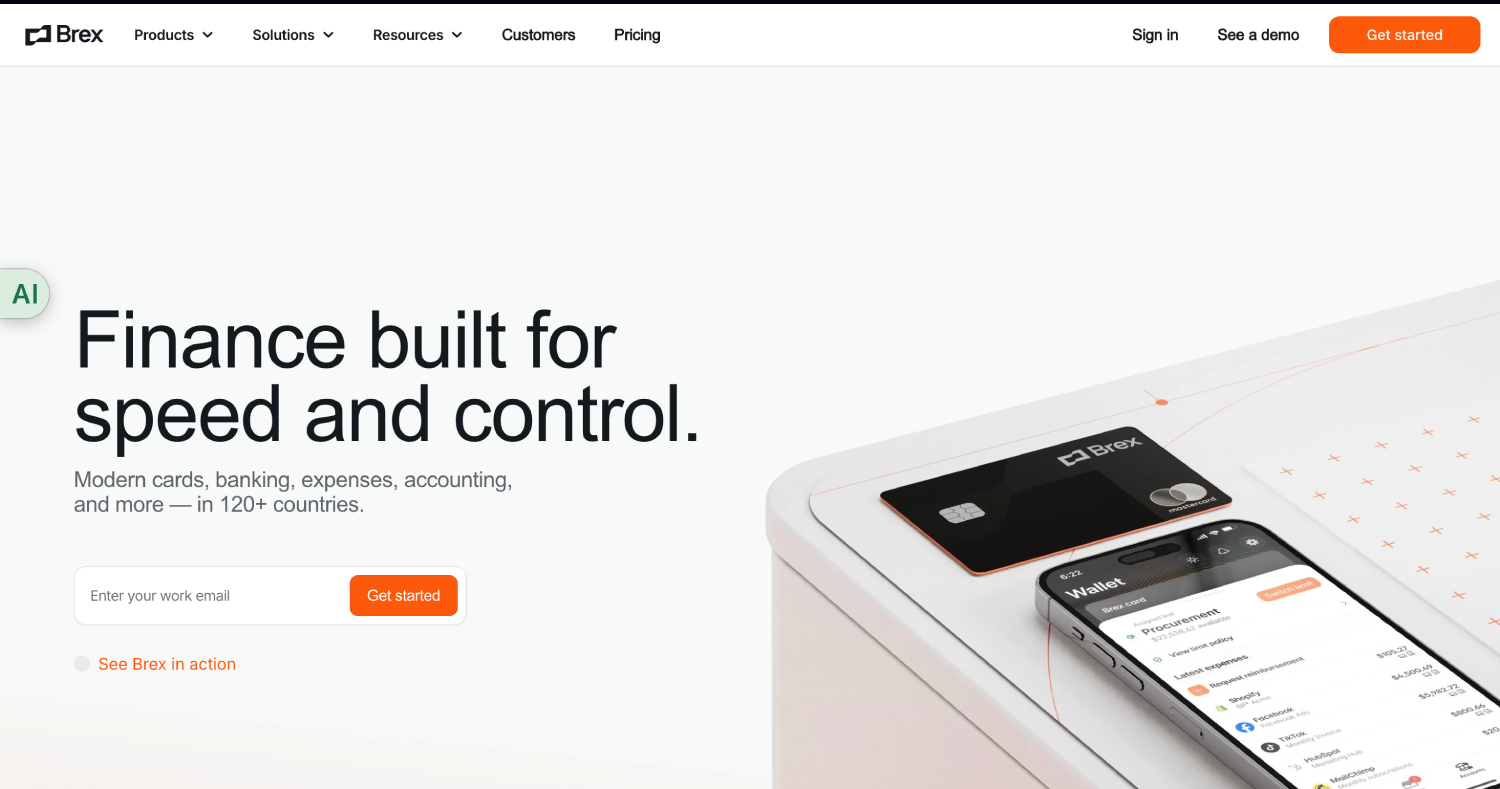
Brex is an instructive edge case. It started as a corporate card company, but over time it built its own treasury infrastructure and moved its banking relationship to Column Bank, a bank that specifically targets fintech companies wanting more direct access to the charter layer. This gives Brex more control over its product experience and better margin on deposits than it would have through a traditional BaaS middleware stack.
Brex now offers FDIC-insured accounts and treasury management directly to startups and growth-stage companies. Its model sits closer to what some in the industry call “direct BaaS,” where the fintech company works with the bank through a thinner middleware layer and assumes more compliance ownership in exchange for better economics. This is meaningfully different from the plug-and-play approach that Unit or Synctera offer to companies without compliance teams.
What the Synapse Collapse Means for BaaS Buyers
Juno is listed in the table above with a note: “now restructured.” That caveat matters. Juno originally ran on Synapse, a BaaS middleware platform that collapsed in 2024 after a reconciliation breakdown between Synapse and its partner banks left tens of millions of dollars in customer funds in dispute. Juno users could not access their accounts for months.
The Synapse failure is the most important cautionary data point in BaaS right now. It exposed the core risk of the three-layer model: when the middleware platform fails, customer funds can get stuck between the platform’s internal ledger and the sponsor bank’s ledger. The problem is structural. BaaS middleware platforms typically maintain their own sub-ledger tracking which end-user holds which balance. If that sub-ledger falls out of sync with the bank’s general ledger, through poor reconciliation practices, technical failures, or platform insolvency, neither party has a clean, authoritative record of who owns what. The FDIC’s pass-through insurance coverage only applies if account ownership can be established, which is exactly what becomes contested when reconciliation breaks down. The FDIC and OCC have since issued guidance requiring BaaS arrangements to maintain clear documentation of deposit ownership and real-time reconciliation between middleware ledgers and bank records. For any company evaluating BaaS platforms today, that guidance defines the minimum bar for due diligence questions.
Ask any BaaS platform how it reconciles ledgers with its sponsor bank, what happens to customer funds if the middleware platform fails, and whether the sponsor bank has direct visibility into end-user account records. Our analysis of the state of Banking-as-a-Service in 2026 covers the regulatory fallout from Synapse and what it means for platform selection today.
How Synctera Powers SMB BaaS for Earlier-Stage Companies
Synctera targets fintech startups and software companies that want a curated bank matching service alongside the API layer. When Nearside wanted to build a cashback checking account for small businesses, Synctera matched them with Lineage Bank and provided the compliance infrastructure to launch without Nearside hiring a team of bank compliance officers.
Synctera’s model is closer to a managed marketplace than a pure API play. It vets and maintains relationships with multiple sponsor banks, then connects fintech companies to the best fit based on their product type, volume, and risk profile. For a pre-Series A company trying to launch a banking product, this matters more than raw API documentation quality. The alternative is spending six to twelve months negotiating directly with a bank, which most early-stage companies cannot afford to do.
If you are evaluating whether your company needs a BaaS platform or a more direct sponsor bank relationship, what a sponsor bank is and what it costs explains the difference between direct bank partnerships and platform-mediated ones in concrete terms.
What BaaS Use Cases Have in Common: The Four Product Triggers
After mapping 12 real banking-as-a-service examples, a pattern emerges. BaaS adoption tends to cluster around four specific product triggers rather than abstract strategic goals.
- Daily active use adjacent to money. Jobber, HoneyBook, Freshbooks, and Shopify all had users interacting with their platforms daily in contexts where money was already moving. Adding an account was a natural extension of existing behavior.
- Payout delay as a pain point. DoorDash and Lyft both had workers who hated waiting for ACH settlement. BaaS let them offer instant pay as a product feature, not a financial service.
- SMB underservice by traditional banks. Relay Financial and Nearside both targeted small businesses that found traditional bank accounts slow to open, feature-poor, and fee-heavy. BaaS let them build a better experience on top of the same regulatory backbone.
- Revenue diversification on existing user bases. Shopify Balance, Brex, and HoneyBook all benefit from interchange revenue that did not exist before they embedded banking. The user base was already there. Banking added a revenue layer without requiring new customer acquisition.
If your product fits one of these four triggers, BaaS is likely worth evaluating. If it does not, embedding banking products often underperforms because users do not have a reason to make your platform their primary financial touchpoint. For a framework on which fintech infrastructure decisions belong at which stage, the fintech infrastructure stack map shows how banking, payments, and lending layers relate to each other.
Frequently Asked Questions About Banking-as-a-Service Examples
What are the most common BaaS use cases?
The four most common use cases are embedded business bank accounts in vertical SaaS products, instant payout debit cards for gig workers, SMB neobanks targeting underserved small businesses, and embedded lending products like merchant cash advances. Each use case relies on the same three-layer structure: sponsor bank, BaaS middleware platform, and the software company building the front end. The difference is what the software company decides to build on top of the shared infrastructure.
What companies are currently using Banking-as-a-Service?
Publicly documented banking-as-a-service examples include Shopify Balance (Stripe Treasury), HoneyBook (Unit), Jobber (Stripe Treasury), DoorDash’s Dasher Direct (Payfare and Stride Bank), Lyft’s driver banking (Stride Bank), Brex (Column Bank), Relay Financial (Thread Bank), and Nearside (Synctera and Lineage Bank). Roofstock used Unit to embed property owner deposit accounts. Freshbooks embedded business banking through Stripe Treasury. These are confirmed by company announcements or partner disclosures rather than inference.
What are popular BaaS providers?
The most referenced BaaS middleware platforms in the US are Unit, Synctera, Stripe Treasury, and Treasury Prime. Each targets a slightly different buyer. Unit and Synctera focus on fintech startups and vertical SaaS companies. Stripe Treasury is built for existing Stripe customers adding banking to their product. Treasury Prime emphasizes multi-bank relationships for companies that want redundancy. Column Bank operates as a developer-first bank that can work more directly with fintech companies that want thinner middleware.
What types of apps benefit most from BaaS?
Apps where money already moves through the product are the best candidates. Freelancer management platforms, gig economy apps, eCommerce SaaS, accounting and invoicing tools, property management software, and HR platforms all have natural reasons to embed banking. Apps where the primary workflow has no financial component rarely generate enough engagement with embedded banking to justify the compliance and operational overhead of running a banking product.
What happened to Synapse, and should it change how you evaluate BaaS platforms?
Synapse, a BaaS middleware platform, collapsed in 2024 after a shortfall in reconciliation between its internal ledgers and the ledgers held by its partner banks. Customer funds were frozen for months. The failure led to increased regulatory scrutiny of BaaS arrangements and highlighted the importance of asking any BaaS platform how it reconciles deposits with its sponsor banks, whether end-user accounts appear directly on the bank’s books, and what happens to customer funds if the middleware layer fails. These are now standard due-diligence questions.
How long does it take to launch a BaaS product?
With a BaaS middleware platform handling compliance, KYC, and bank relationships, most companies can launch a basic bank account or debit card product in three to nine months. Building a direct sponsor bank relationship without middleware typically takes twelve to eighteen months because the bank must conduct its own vendor diligence, negotiate program agreements, and build or integrate the technical connection independently. The timeline difference is the primary reason early-stage companies default to platforms like Unit or Synctera.
How is BaaS different from embedded finance?
BaaS is the infrastructure model. Embedded finance is the product category. BaaS describes how a licensed bank’s services get delivered via API through a middleware platform to a third-party company. Embedded finance describes the end result: financial products appearing inside non-financial software. All BaaS deployments produce some form of embedded finance, but embedded finance also includes payment processing and insurance products that do not require BaaS infrastructure specifically.
What to Read Before You Choose a Platform
The 12 banking-as-a-service examples above share a common architecture but make very different choices about which provider to trust, how much compliance ownership to take on, and how tightly to integrate banking into their core product. Shopify building Balance on Stripe Treasury makes sense because Shopify already runs payments through Stripe. Brex moving to Column Bank makes sense because Brex is large enough to absorb more regulatory complexity in exchange for better economics. Nearside using Synctera makes sense because Synctera’s bank-matching model solved a problem Nearside could not solve alone at its stage.
There is no universal right answer. The relevant questions are: where does your user already spend their time, what financial pain point are you solving for them, and how much compliance infrastructure do you have internally. A 15-person SaaS company with no compliance team should not build on a thin middleware layer that requires direct bank negotiations. A Series C fintech with a dedicated compliance team is likely paying too much for full-service middleware.
The pattern across every example in this article is that BaaS works when it is invisible. The best embedded banking products feel like a natural extension of the software around them, not a separate financial app awkwardly bolted on. That product judgment, more than any platform selection decision, determines whether a BaaS deployment generates real revenue or sits unused in a settings menu.