
- Most fintech finance teams treat reconciliation as a month-end task. It is not. At scale, unmatched transactions compound daily, and a six-processor stack can produce hundreds of exceptions before anyone opens a spreadsheet.
- The real problem is not the volume of transactions. It is that each processor, bank, and ledger uses different identifiers, timestamps, and fee structures, and no generic accounting tool bridges all of them automatically.
- Purpose-built payment reconciliation software handles automated matching across processors, surfaces exceptions in real time, and writes confirmed matches back to the general ledger without manual intervention.
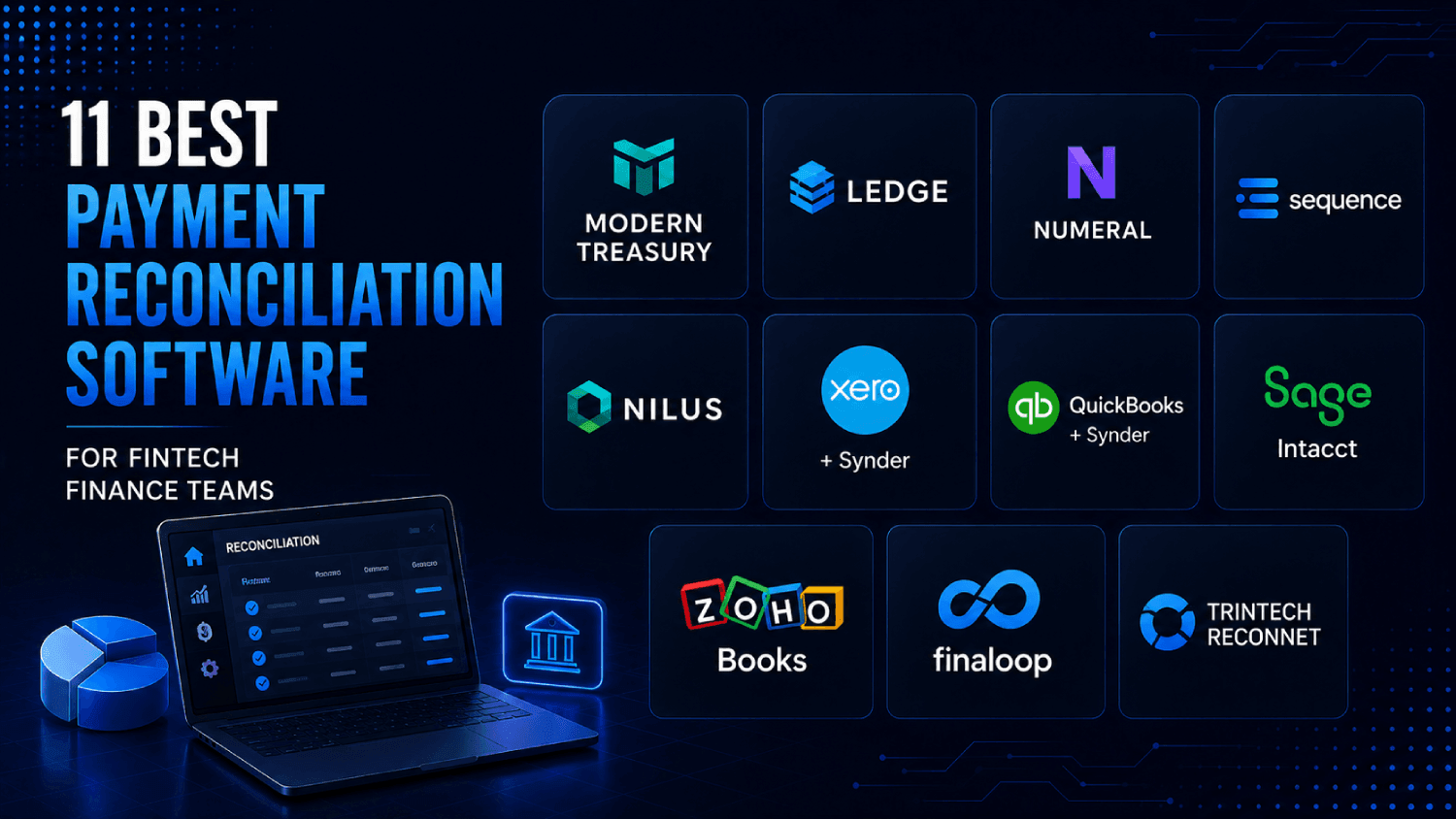
- Modern Treasury, Ledge, Numeral, Sequence, and Nilus are the five platforms most worth evaluating for fintech and SaaS finance teams running multi-processor payment stacks.
- The right tool depends on whether you need ledger-native reconciliation, processor-agnostic matching, or an API-first layer that plugs into an existing ERP.
The best payment reconciliation software for fintech finance teams includes Modern Treasury, Ledge, Numeral, Sequence, Nilus, Finaloop, Reconcile.ly and similar middleware tools, Xero with bank rules, QuickBooks with Synder, Sage Intacct, and Zoho Books. Purpose-built options like Ledge and Numeral automate transaction matching across multiple processors and banks in real time. Accounting platforms like Xero and Sage Intacct work for simpler stacks. For fintech teams processing more than $1M per month across two or more processors, a dedicated reconciliation layer is almost always faster and more accurate than a general ledger add-on.
Why Payment Reconciliation Fails at Fintech Scale
A company processing payments through Stripe, Adyen, and a banking partner does not have one reconciliation problem. It has three, plus however many settlement windows, fee structures, and currency conversions each processor introduces. Each source calls the same transaction something different, uses a different timestamp, and may report fees as a line item or as a net figure.
Generic accounting software was not designed to resolve those conflicts automatically. Xero and QuickBooks match bank statement lines to invoices. They do not match Stripe payouts to individual charge events, then net out interchange, then post to the correct GL code, then flag the seven transactions where the payout amount does not match expectations. That is a fundamentally different workflow, and it requires different tooling.
Finance teams at seed-stage companies often manage this with spreadsheets and manual exports. By Series A, when transaction volume crosses a threshold where a single person can no longer review every exception, the spreadsheet breaks. Errors accumulate quietly. Month-end close extends by days. If your team is already hitting those symptoms, it is worth reading through what hidden costs kill fintech SaaS margins before choosing a tool, because reconciliation errors often show up as margin leakage before they show up as audit findings.
What Is the FintechSpecs Reconciliation Fit Matrix?
Before evaluating any product, it helps to know which problem you are actually solving. The FintechSpecs Reconciliation Fit Matrix groups buyers into three profiles based on stack complexity and reconciliation scope. Most sales processes skip this and show every buyer the same demo. This framework forces the right conversation earlier.
Profile 1: Single-processor, low volume. One payment processor, fewer than 10,000 transactions per month, one currency, one bank account. A general ledger add-on or a native accounting tool with bank rules is sufficient. Investing in a dedicated reconciliation platform at this stage is premature.
Profile 2: Multi-processor, growing complexity. Two or more processors, settlement timing differences, interchange fee netting, multiple currencies, or a growing exception queue. This is where purpose-built reconciliation tooling pays off. The automation saves more engineering time than the platform costs.
Profile 3: Ledger-native, audit-grade requirements. The company either issues financial products, manages money on behalf of others, or operates under regulatory requirements that demand a full audit trail from transaction to GL entry. Here, the reconciliation layer must be deeply integrated with the ledger, not bolted on afterward.
Run your team through this before any vendor call. It will cut evaluation time by a week.
How Does Automated Payment Matching Actually Work?
Payment matching software ingests transaction records from multiple sources simultaneously: processor APIs, bank feeds, ERPs, and sometimes CSV exports from legacy systems. It then applies a matching algorithm that looks for corresponding records across sources using configurable match keys, typically a combination of amount, date range, reference ID, and counterparty identifier.
When a match is found within tolerance thresholds, the system posts it automatically. When no match is found, or when the amounts differ by more than a defined tolerance, the system creates an exception. The finance team only sees what the algorithm could not resolve. On a well-tuned system, that means reviewing a handful of exceptions per day instead of verifying every transaction manually.
The sophistication gap between tools is visible at the exception-handling layer. Basic tools surface unmatched records and stop there. Advanced tools classify exceptions by type (timing differences versus genuine discrepancies versus fee rounding), suggest probable root causes, and track resolution time. That distinction matters when you are trying to close books in two days instead of two weeks. For teams managing this alongside broader financial close work, the article on financial close and month-end automation tools covers the adjacent workflow in detail.
Which Reconciliation Platforms Are Built Specifically for Fintech?
Modern Treasury
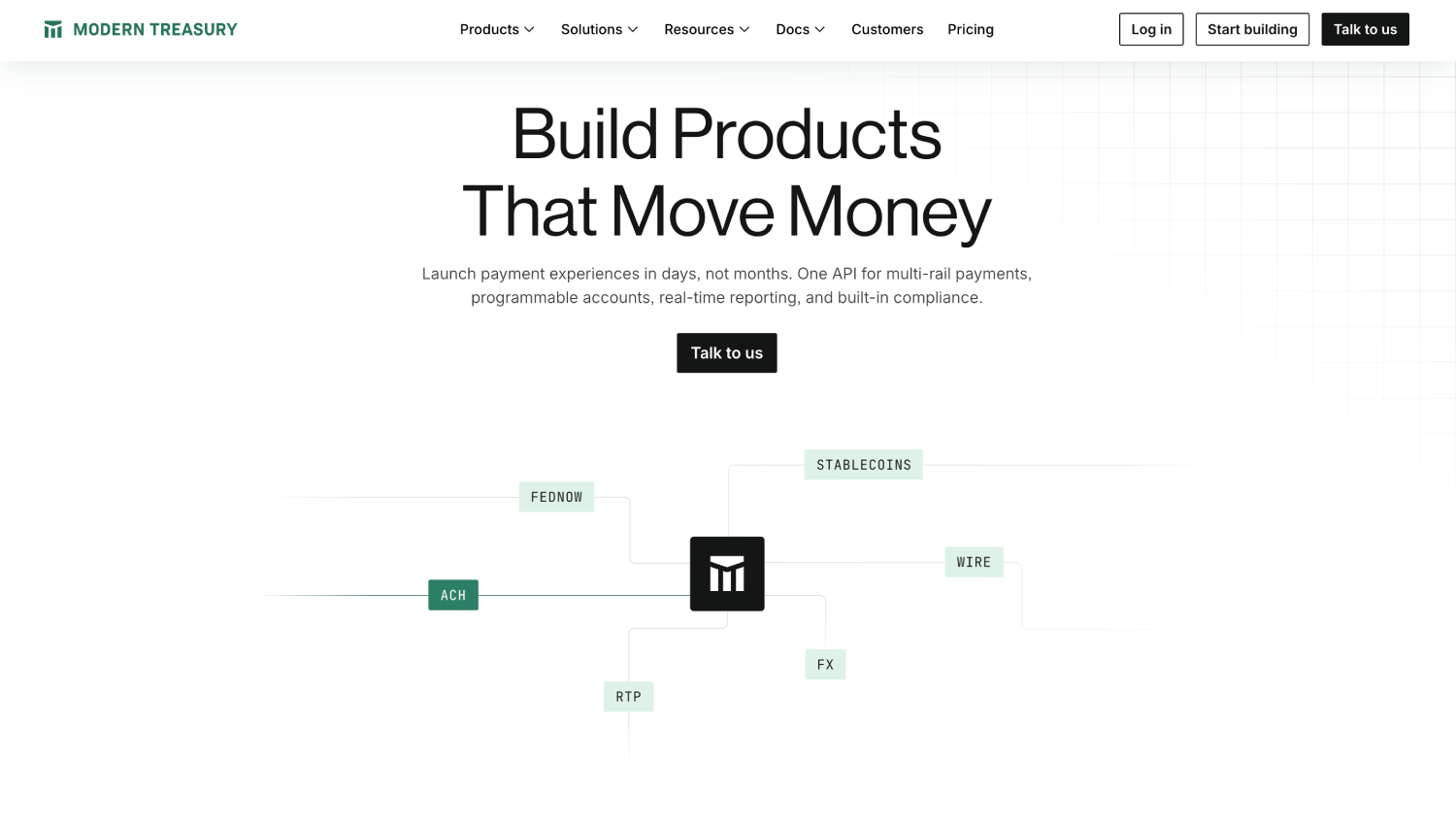
Modern Treasury is a payment operations platform with a purpose-built reconciliation layer that connects directly to bank accounts and payment processors. Its core strength is ledger reconciliation automation: every inbound and outbound payment writes to a programmable, double-entry ledger, and reconciliation happens continuously against that ledger rather than at month-end.
The matching engine supports configurable match rules, so a fintech handling ACH returns, same-day settlements, and wire transfers can apply different logic to each payment type. Modern Treasury integrates with major US banks and payment rails natively, which removes the manual CSV export step that plagues spreadsheet-based workflows. Pricing is not publicly listed; it is available through direct inquiry.
This platform suits Profile 2 and Profile 3 buyers best. It is overkill for a single-processor SaaS company, but for a fintech moving money through multiple bank relationships, it is one of the more complete implementations available in the US market. The comparison between Modern Treasury and Increase on FintechSpecs covers how the two differ on payment operations infrastructure specifically.
Ledge

Ledge positions itself as an AI-powered reconciliation platform built for fintech and high-transaction-volume businesses. The platform ingests data from banks, payment processors, ERPs, and billing systems, then applies machine learning to match transactions and classify exceptions. The stated goal is to automate the matching workflow end-to-end without requiring finance teams to write custom rules for every edge case.
Ledge’s exception-handling interface lets finance teams annotate unmatched records, approve suggested matches, and track open items with due dates. It is notably more focused on payment-to-payment and payment-to-invoice reconciliation than on full GL integration, which makes it a better fit for teams who already have a separate GL and need a matching layer on top. Pricing is not publicly disclosed; the company uses a custom pricing model based on transaction volume.
Numeral
Numeral (also as Mambu) is a payment operations platform that covers payment initiation, bank connectivity, and reconciliation within one API-first product. Its reconciliation module ingests bank transaction feeds and matches them against expected payments generated by the platform itself, which means the match keys are consistent from the start rather than translated across systems.
For companies already using Numeral for payment execution, adding reconciliation has low integration overhead. For companies not on Numeral, the value proposition is thinner because you are adopting an entire payment operations stack to get the reconciliation feature. Numeral is strongest for European payment rails, though it has US coverage. Pricing is not publicly available.
Sequence
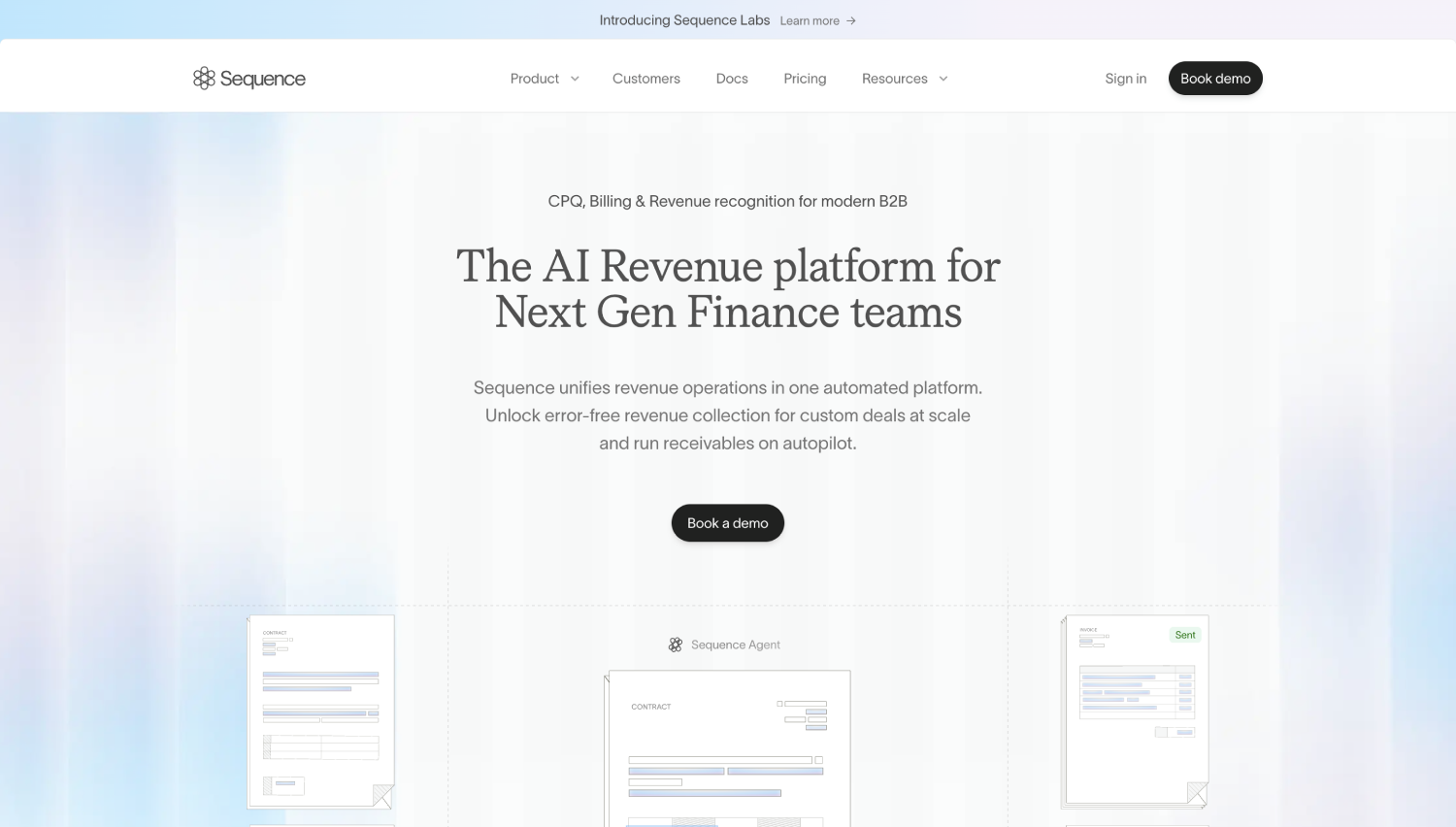
Sequence is a revenue billing and finance operations platform that includes reconciliation as part of a broader workflow covering invoicing, revenue recognition, and payment tracking. Its reconciliation functionality focuses on matching payments received against invoices and revenue schedules, which makes it better suited for B2B SaaS teams than for fintech companies reconciling processor payouts.
If the primary reconciliation problem is confirming that every invoice was paid in full and on time, Sequence handles it well. If the problem is matching Stripe settlement batches to individual charges while netting out Stripe fees and posting to the correct GL account, Sequence is not the primary tool for that job. Pricing is custom and available on request.
Nilus
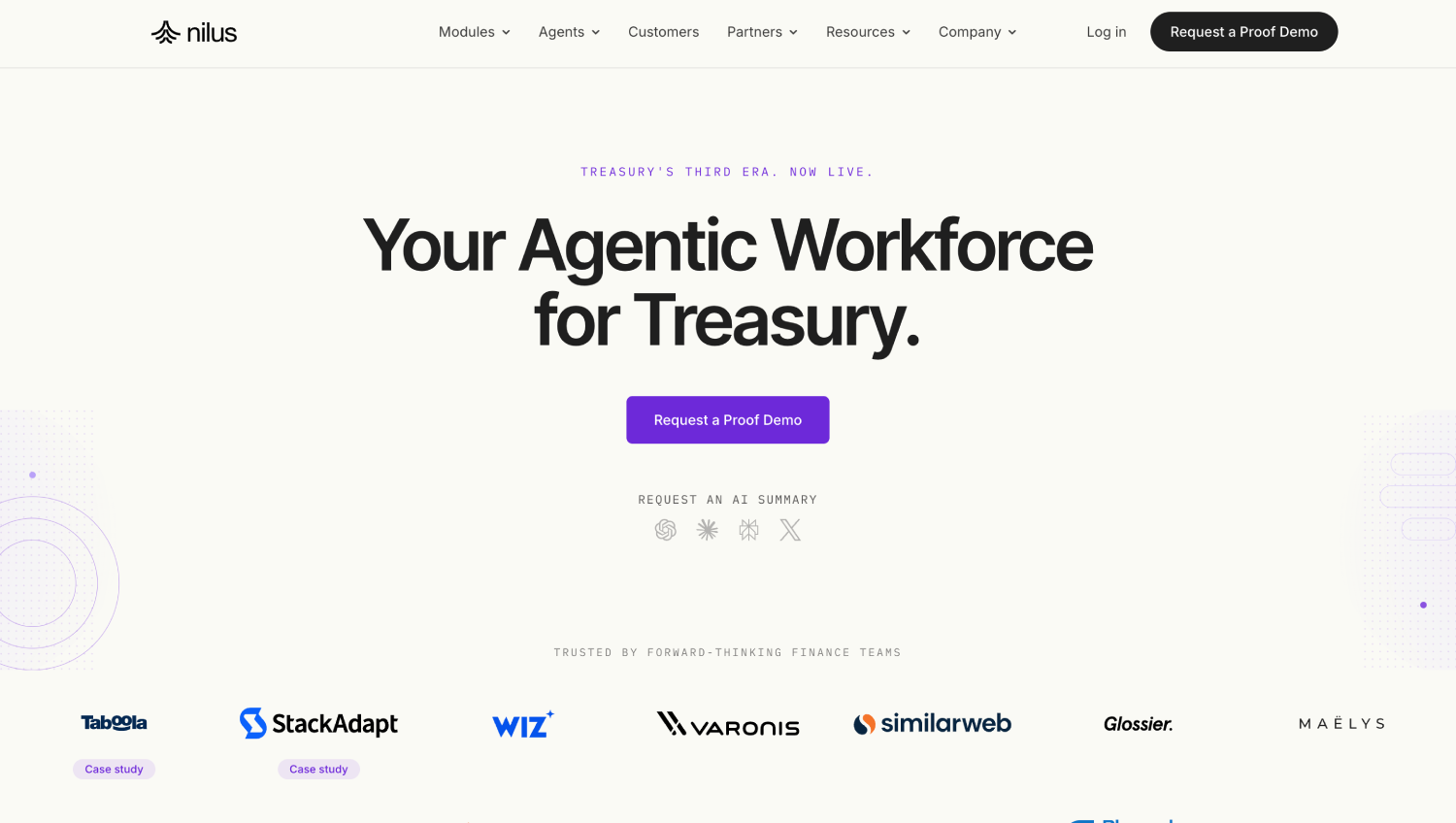
Nilus is a financial operations platform focused on cash flow visibility and reconciliation for finance teams. Its reconciliation module connects to bank accounts, payment processors, and accounting systems, and surfaces a consolidated view of open items and matched transactions. The exception workflow is designed for finance teams who are not engineers, which gives it an advantage in organizations where the ops team owns reconciliation rather than engineering.
Nilus is built for Profile 2 buyers who need multi-source reconciliation without deep technical customization. Its configuration interface is more accessible than Modern Treasury’s API-first approach. Pricing is not publicly available.
Which General Ledger Tools Handle Reconciliation Well Enough for Simpler Stacks?
Xero with Bank Rules
Xero‘s bank rules and bank feeds cover basic transaction reconciliation for companies running a single processor through a single bank account. The platform automatically imports bank statement lines and applies rules to categorize and match them against invoices or manual entries. For a SaaS company processing $50,000 per month through Stripe with automatic payouts to one bank account, Xero with Stripe’s Xero integration handles the reconciliation without additional tooling.
The limitation surfaces at processor complexity. Xero does not natively disaggregate a Stripe payout into its constituent charges, refunds, and fees. A third-party connector like Synder fills that gap by syncing transaction-level data from Stripe, PayPal, and Square into Xero, which makes line-level matching possible. Xero’s pricing starts at $20 per month for the Early plan as listed on their public pricing page.
QuickBooks Online with Synder
QuickBooks Online handles bank reconciliation through its banking module, which imports transactions and matches them to entries in the book. By itself, it has the same limitation as Xero: payout-level matching, not charge-level matching. Synder adds charge-level sync from multiple payment processors, which gives QuickBooks teams reconciliation depth closer to a purpose-built tool without switching platforms entirely.
This combination works for Profile 1 buyers and early Profile 2 buyers. Once transaction volume passes a point where exception review itself becomes a part-time job, the combination starts to break under its own complexity. QuickBooks Online Simple Start pricing starts at $30 per month as listed on their public pricing page.
Sage Intacct
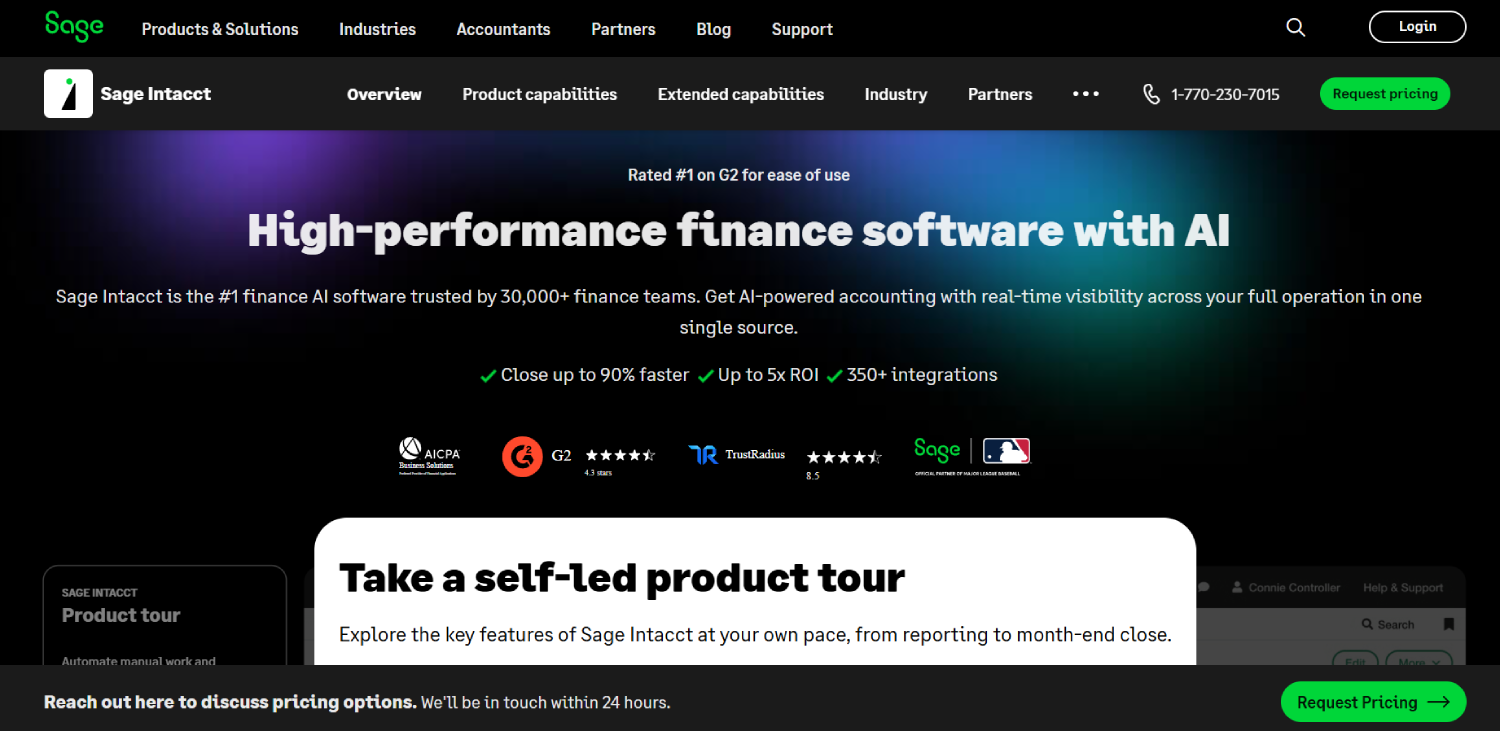
Sage Intacct is a full-featured cloud accounting platform with a more sophisticated reconciliation workflow than QuickBooks or Xero. Its bank reconciliation module supports multi-entity matching, which matters for fintech companies with subsidiary structures or multi-currency operations. It also integrates with a wider range of ERP connectors and supports custom workflows for exception handling.
Sage Intacct is priced for mid-market companies, and pricing is not publicly listed. It is a reasonable choice for a Series B or Series C finance team that wants GL-level sophistication without a full fintech-native reconciliation platform. It does not replace purpose-built processor reconciliation tooling for high-volume fintech stacks.
Zoho Books
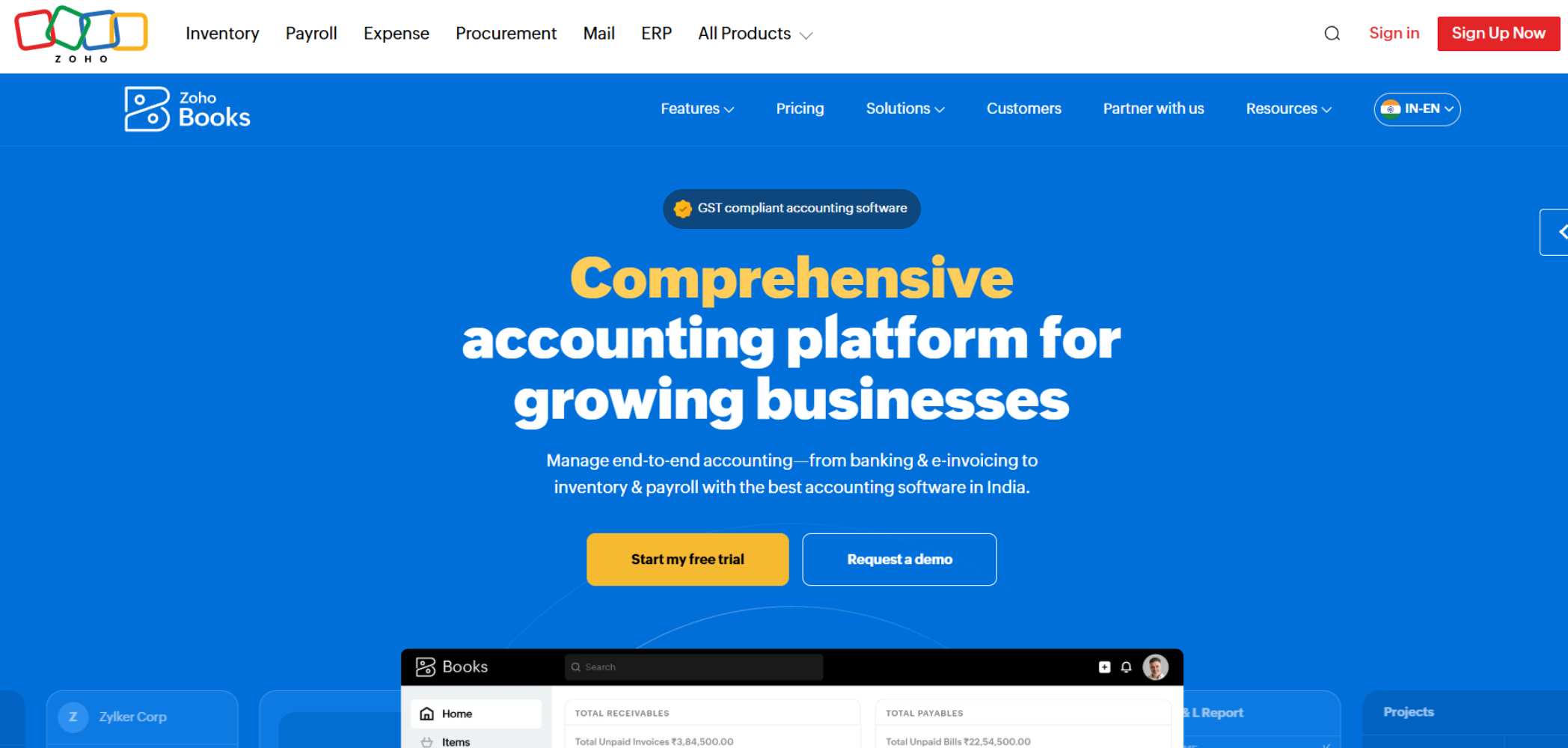
Zoho Books includes bank reconciliation as part of its accounting suite. The reconciliation workflow is comparable to Xero’s, with bank feeds, auto-matching rules, and a manual review interface for unmatched items. Zoho’s free plan covers businesses with annual revenue under $50,000. Paid plans start at $15 per month as listed on their public pricing page.
Zoho Books fits Profile 1 buyers who are already in the Zoho product suite and want to avoid adding another tool. It is not built for multi-processor fintech stacks.
What Are the Other Purpose-Built Options Worth Evaluating?
Finaloop
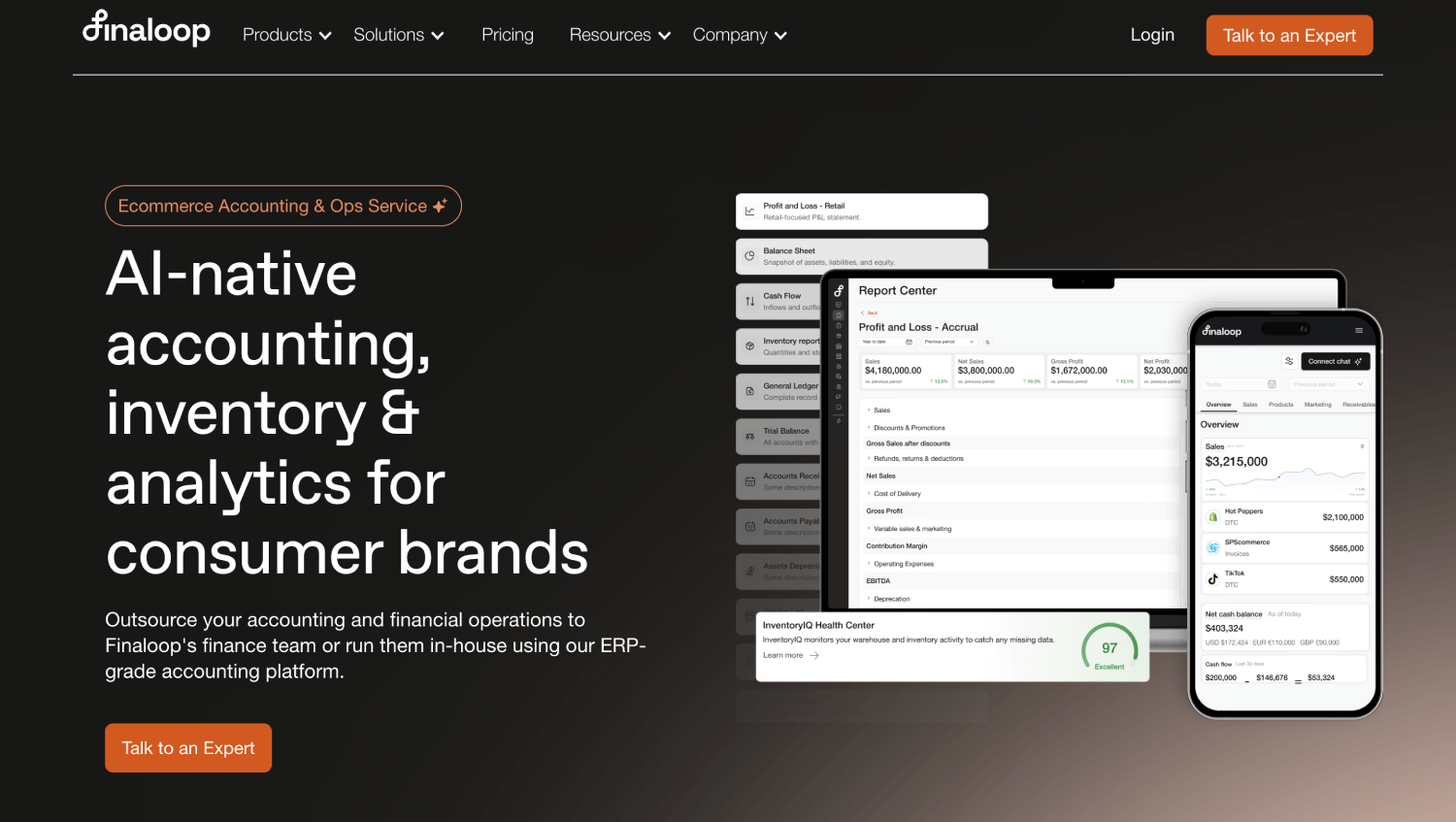
Finaloop is an AI-powered bookkeeping and reconciliation platform built primarily for ecommerce companies. It connects to Shopify, Amazon, PayPal, Stripe, and other ecommerce-specific processors, then automates transaction categorization and reconciliation in real time. For a DTC or marketplace fintech with an ecommerce stack, Finaloop removes the manual bookkeeping layer almost entirely.
It is narrowly focused on ecommerce, which is its strength and its limitation. Fintech teams running B2B payment stacks or financial services products will find its processor coverage incomplete.
ReconNET (Now Part of Trintech)
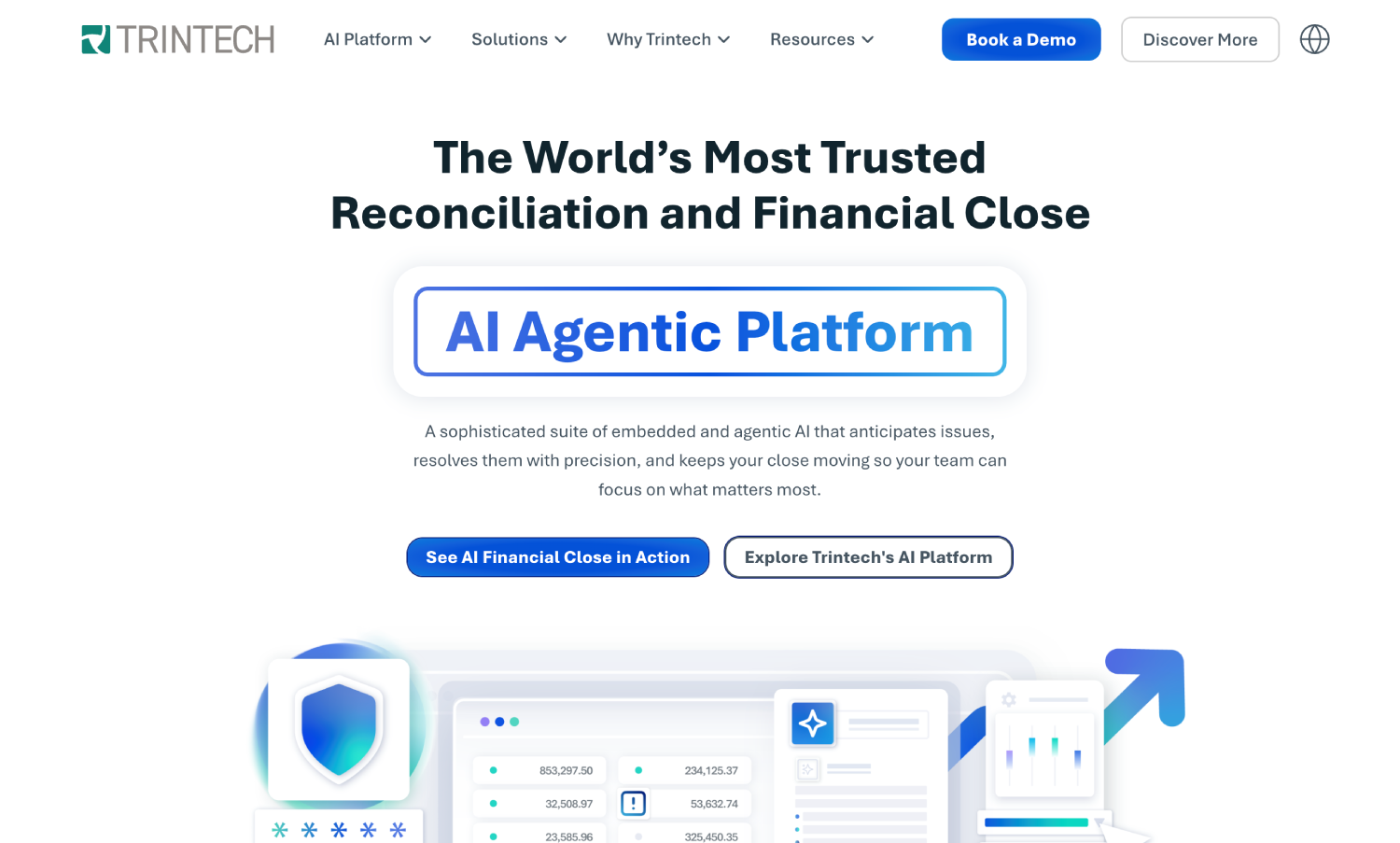
Trintech’s ReconNET is an enterprise-grade account reconciliation platform with a long history in financial services. It handles high-volume transaction matching, supports configurable match rules, and produces audit-ready documentation. It is positioned for large financial institutions and enterprise finance teams rather than growth-stage fintechs, and implementation timelines and costs reflect that positioning. Pricing is not publicly disclosed.
Reconcile.ly and Similar Middleware Tools
A category of lighter middleware tools has emerged that sits between processor exports and accounting systems. These tools ingest raw transaction data from processor APIs and produce matched, categorized records that can be pushed to a GL. They are faster to implement than enterprise platforms and cheaper than full payment operations suites, but they require more manual configuration and lack the exception management depth of platforms like Ledge or Modern Treasury.
Comparison Table: Payment Reconciliation Software by Profile and Use Case
| Platform | Best Profile | Multi-Processor Matching | Real-Time Reconciliation | Exception Handling | GL Integration | Public Pricing |
|---|---|---|---|---|---|---|
| Modern Treasury | 2, 3 | Yes | Yes | Advanced | Native ledger | No |
| Ledge | 2, 3 | Yes | Yes | Advanced (AI-assisted) | ERP push | No |
| Numeral | 2 | Yes (EU-first) | Yes | Moderate | ERP push | No |
| Sequence | 1, 2 | Invoice-focused | Partial | Moderate | Yes | No |
| Nilus | 2 | Yes | Partial | Moderate | Yes | No |
| Xero + Synder | 1 | Limited | No | Basic | Native GL | From $20/mo |
| QuickBooks + Synder | 1 | Limited | No | Basic | Native GL | From $30/mo |
| Sage Intacct | 2 | Partial | No | Moderate | Native GL | No |
| Zoho Books | 1 | No | No | Basic | Native GL | From $15/mo |
| Finaloop | 1 (ecommerce) | Ecommerce only | Yes | Moderate | Yes | Custom |
| Trintech ReconNET | 3 (enterprise) | Yes | Partial | Advanced | Yes | No |
How Do You Evaluate Payment Reconciliation Software Without Getting Sold the Wrong Thing?
Most demos will show you the matching accuracy rate on a clean dataset. Ask to see exception handling on a messy one. The revealing moment in any reconciliation software evaluation is when you load in real data from your actual processors, including a month that had a disputed payout, a late settlement, and at least one refund that crossed a payout batch boundary. How the system classifies those edge cases tells you more than any feature list.
Four specific questions to ask before signing any contract:
- How does the platform handle partial matches where the processor fee is netted differently than expected?
- What is the process for adding a new processor or bank to the integration? How long does it take, and does it require engineering resources on our side?
- When an exception is resolved, does the resolution write back to the GL automatically, or does someone have to trigger that manually?
- What does the audit trail look like? Can an external auditor see every match decision, who approved it, and when?
If a vendor cannot answer question four clearly, that is a significant warning for any fintech operating under compliance requirements. Teams building out their broader vendor evaluation process may find the 7-point fintech vendor evaluation framework on FintechSpecs useful as a parallel checklist.
What Does a Worked Reconciliation Scenario Look Like at Mid-Scale?
Consider a Series A fintech processing payments through both Stripe and a sponsor bank’s ACH rail, with roughly 8,000 transactions per month split across both. Stripe settles on a rolling two-day basis and nets fees before payout. The ACH rail settles individually with fees billed separately at month-end. The company also issues occasional refunds that settle in the following week’s Stripe payout.
Without a dedicated reconciliation layer, the finance team exports Stripe’s payout report, the Stripe transaction report, and the ACH transaction file every week. They manually join those files in Excel to match individual charges to payouts, account for netted fees, and flag any transaction that appears in one file but not the other. Refunds that cross payout windows require a manual lookup. A competent analyst can handle this, but it takes several hours weekly and grows proportionally with volume.
With a purpose-built tool like Ledge or Modern Treasury, the same data flows in via API. The matching engine joins charge-level records to payout records automatically, accounts for the fee netting on Stripe and the separate fee billing on ACH, and identifies the cross-batch refunds by reference ID. The finance team reviews a small number of flagged exceptions rather than the full dataset. Month-end close that previously took three days of reconciliation work compresses significantly, freeing the same analyst for higher-value reporting work.
This is not a hypothetical benefit. It is the operational difference between a tool that matches at the payout level and one that matches at the charge level. For a breakdown of how payment infrastructure choices interact with operational costs at this stage, the guide on payment infrastructure tools for SaaS founders covers adjacent decisions worth reading alongside this one.
How Does Ledger Reconciliation Automation Differ from Bank Reconciliation?
Bank reconciliation compares the company’s internal cash records against the bank’s statement to confirm that every deposit and withdrawal is accounted for. It is a point-in-time check, typically monthly, and it confirms accuracy but does not explain the underlying transactions.
Ledger reconciliation automation goes further: it matches individual transaction records across multiple systems, confirms that each one is correctly classified in the general ledger, and maintains a continuous audit trail from source event to GL entry. For a fintech, the difference is material. Bank reconciliation tells you that Stripe deposited $48,320 on Tuesday. Ledger reconciliation automation tells you that the $48,320 came from 312 individual charges, minus $1,480 in Stripe fees, with three transactions pending refund, and that all 312 charges are posted to the correct GL accounts with the correct revenue recognition dates.
That level of granularity is what auditors require, what revenue recognition standards demand, and what allows a finance team to catch fee discrepancies or duplicate charges before they become material errors.
Frequently Asked Questions
What is processor reconciliation and how is it performed?
Processor reconciliation is the process of matching payment records from a payment processor, such as Stripe or Adyen, against the company’s internal records and bank statements. It confirms that every charge the processor collected was settled correctly, that fees were calculated accurately, and that the net payout matches the expected amount. It is performed by pulling transaction-level data from the processor’s reporting API, matching it against expected payments in the company’s system, and flagging any discrepancies for review. Purpose-built payment reconciliation software automates this matching step.
What are the three types of reconciliation in fintech?
The three most common types are bank reconciliation (matching internal cash records against bank statements), processor reconciliation (matching charge-level records from payment processors against payouts and fees), and ledger reconciliation (matching transaction records against GL entries to confirm correct classification and posting). Fintech companies typically need all three, and the workflows overlap. The most complex is processor reconciliation when multiple processors are involved, because each uses different identifiers, fee structures, and settlement timing.
Can AI perform payment reconciliation automatically?
AI-assisted matching is now a standard feature in purpose-built reconciliation platforms. It improves match accuracy on ambiguous records by using fuzzy matching on amounts, dates, and reference identifiers rather than requiring exact matches. Platforms like Ledge explicitly position their matching engine as AI-powered. That said, AI does not eliminate exceptions entirely. It reduces them. A well-configured AI matching engine on a mid-scale payment stack will resolve the majority of transactions automatically, but edge cases, disputed settlements, and novel transaction types still require human review.
How do you reconcile payments across multiple processors?
Reconciling across multiple processors requires a unified data layer that ingests transaction records from each processor’s API in a consistent format. Each processor exports data differently, so a normalization step is necessary before matching can occur. Once normalized, transactions from each processor are matched against the company’s expected payment records and bank settlement records. Discrepancies in timing, amounts, or identifiers generate exceptions. Purpose-built tools like Modern Treasury and Ledge handle this normalization and matching automatically. Manual approaches using CSV exports and spreadsheet joins work at low volume but become unsustainable past a few thousand transactions per month.
What is the difference between payment matching software and accounting software for reconciliation?
Accounting software like QuickBooks or Xero matches bank statement lines against invoices or manual entries. It operates at the payout level: a $50,000 Stripe deposit is one line to match. Payment matching software operates at the charge level: it decomposes that $50,000 into individual transactions, matches each one against an expected payment, accounts for fees, and handles refunds and disputes as separate events. For fintech companies with more than a few hundred transactions per month across multiple processors, the charge-level detail that payment matching software provides is operationally necessary and not replicable with standard accounting tools.
What should a fintech finance team look for when evaluating reconciliation software?
The four criteria that separate adequate from excellent: native API integration with the processors you actually use (not just CSV import), configurable match rules that account for your specific fee netting and settlement timing, a structured exception workflow with classification and audit trail, and direct GL writeback that does not require a manual export step. Teams running audit-grade operations should also verify that the platform produces immutable transaction logs that meet their external auditor’s documentation requirements. Custom demos using real data from your stack reveal problems faster than any product comparison list.
Is Xero or QuickBooks sufficient for payment reconciliation at scale?
For a single-processor business under roughly 5,000 transactions per month, either can work , this is an editorial threshold based on where manual exception review typically becomes a part-time job rather than a published vendor benchmark. Adding a connector like Synder extends the matching depth to charge level and makes either platform workable for a somewhat more complex stack. Beyond that volume, or when a second processor is added, the manual configuration required to maintain accuracy in Xero or QuickBooks starts to exceed the cost of switching to a dedicated reconciliation platform. The tipping point varies by team capacity, but most fintech finance teams encounter it between Series A and Series B as both volume and processor count grow simultaneously.
How does reconciliation software integrate with a general ledger?
Integration approaches fall into two categories. The first is native ledger platforms, where the reconciliation layer and the ledger are the same system. Modern Treasury works this way: every payment writes to an internal ledger, and reconciliation happens against that ledger. The second is ERP push, where the reconciliation platform matches transactions externally and then pushes confirmed, categorized entries into a separate GL like NetSuite, QuickBooks, or Sage Intacct. The native approach produces a cleaner audit trail. The ERP push approach allows teams to keep their existing GL while adding reconciliation capability without a full platform migration.
What Should You Actually Do With This List?
Most teams evaluating reconciliation software spend too much time comparing feature lists and not enough time identifying their own exception rate. Before any vendor conversation, pull your last three months of processor exports and count the transactions that required manual intervention to reconcile. That number, compared against your team’s hourly cost for the time spent, is the actual budget justification for a purpose-built tool. If the math does not support it, a GL add-on is the right answer for now.
For teams that have already crossed that threshold, the shortlist is shorter than it looks. Modern Treasury and Ledge are the two most complete options for US-focused fintech teams running multi-processor stacks. Numeral is worth evaluating if your payment operations need consolidation across European and US rails. Sequence and Nilus fill a different need: operational visibility and invoice-level matching rather than processor-level matching. The GL-native tools have a place in the stack for companies that have not yet outgrown them.
Payment reconciliation handled correctly is not a month-end accounting exercise. It is a continuous signal about the health of your payment operations. Teams that treat it that way catch fee discrepancies, processor errors, and settlement timing issues before they compound. Teams that treat it as a close task find out about those problems during an audit. The tooling is now good enough that the latter approach is a choice, not a constraint. For teams scaling their overall fintech operations stack, the tools that fintech ops teams actually use daily covers the adjacent infrastructure worth building around whichever reconciliation platform you choose.