
TLDR
- Not every merchant of record provider is built for the same stage. Paddle owns self-serve SaaS, FastSpring and Cleverbridge own enterprise software, and newer entrants like Polar and Dodo Payments serve solo builders and early-stage products at lower fees.
- The most expensive MoR mistake is picking a platform calibrated for $10M ARR when you are at $500K. You either overpay on fees or hit feature walls the moment you need purchase orders, net terms, or custom invoicing.
- B2B SaaS selling to enterprise buyers needs quote-to-cash workflows, not just checkout. Most self-serve MoRs cannot generate a PDF invoice with PO numbers or handle wire-based net-30 collection.
- Freemius, Polar, and Dodo Payments are meaningfully cheaper at low volume. At higher transaction volumes, Paddle and FastSpring become more cost-competitive because their tax infrastructure and fraud tooling offset the per-transaction rate.
- Stage-based selection matters more than feature checklists. Match your MoR to your current billing complexity, not the complexity you expect to have in two years.
The right merchant of record for a $300K ARR SaaS selling monthly subscriptions to individual developers is not the right one for a $5M ARR company selling annual licenses to enterprise procurement teams. The platforms differ on tax jurisdiction coverage, invoicing formats, minimum revenue thresholds, and fee structures. This guide maps twelve merchant of record providers to the growth stage where each performs best, so you can skip the demo call that ends with “we are not a fit for your volume.”
What Does a Merchant of Record Actually Do for SaaS Companies?
A merchant of record (MoR) is the legal entity that appears on a buyer’s credit card statement and assumes liability for VAT, GST, sales tax collection, fraud chargebacks, and payment compliance in every jurisdiction where you sell. You remain the seller of record for your product, but the MoR absorbs the regulatory surface area that would otherwise require you to register for VAT in the EU, collect and remit sales tax across US states, and manage refund disputes.
For SaaS founders evaluating infrastructure, the practical difference between an MoR and a payment processor matters. A processor like Stripe moves money. An MoR like Paddle or FastSpring moves money, files taxes, handles chargebacks, and issues compliant invoices on your behalf. If you want a sharper breakdown of where the lines fall, the merchant of record vs payment processor comparison on FintechSpecs covers that distinction in detail.
The hidden cost of getting this wrong is not the fee differential. It is the operational debt: a self-serve MoR that cannot generate a PO-referenced invoice will block your first $50K enterprise deal while you scramble to build a workaround.
The FintechSpecs SaaS Stage Selection Framework for MoR Providers
Most MoR comparisons treat all SaaS companies as equivalent. They are not. The FintechSpecs SaaS Stage Selection Framework groups MoR selection around four variables: ARR band, buyer type (self-serve vs sales-assisted vs enterprise), invoicing complexity, and geographic footprint needed. These four inputs determine which tier of MoR provider matches your operational reality, not your aspirations.
The four stages are Pre-Revenue and Early ($0 to $500K ARR, consumer or developer buyers, card-only checkout), Growth ($500K to $3M ARR, SMB buyers, basic invoicing, multi-currency), Scale ($3M to $10M ARR, mixed buyer types, PO workflows needed, broader tax jurisdictions), and Enterprise ($10M ARR and above, procurement-gated deals, custom contracts, net terms, volume pricing). Each stage has a different optimal MoR profile, and a provider that excels at one stage typically carries friction or cost penalties at another.
Which Merchant of Record Providers Fit Early-Stage SaaS?
Stage verdict: Use Polar, Dodo Payments, or Freemius if you are under $500K ARR and selling to individual buyers, developers, or early SMB customers who pay by card.
Polar
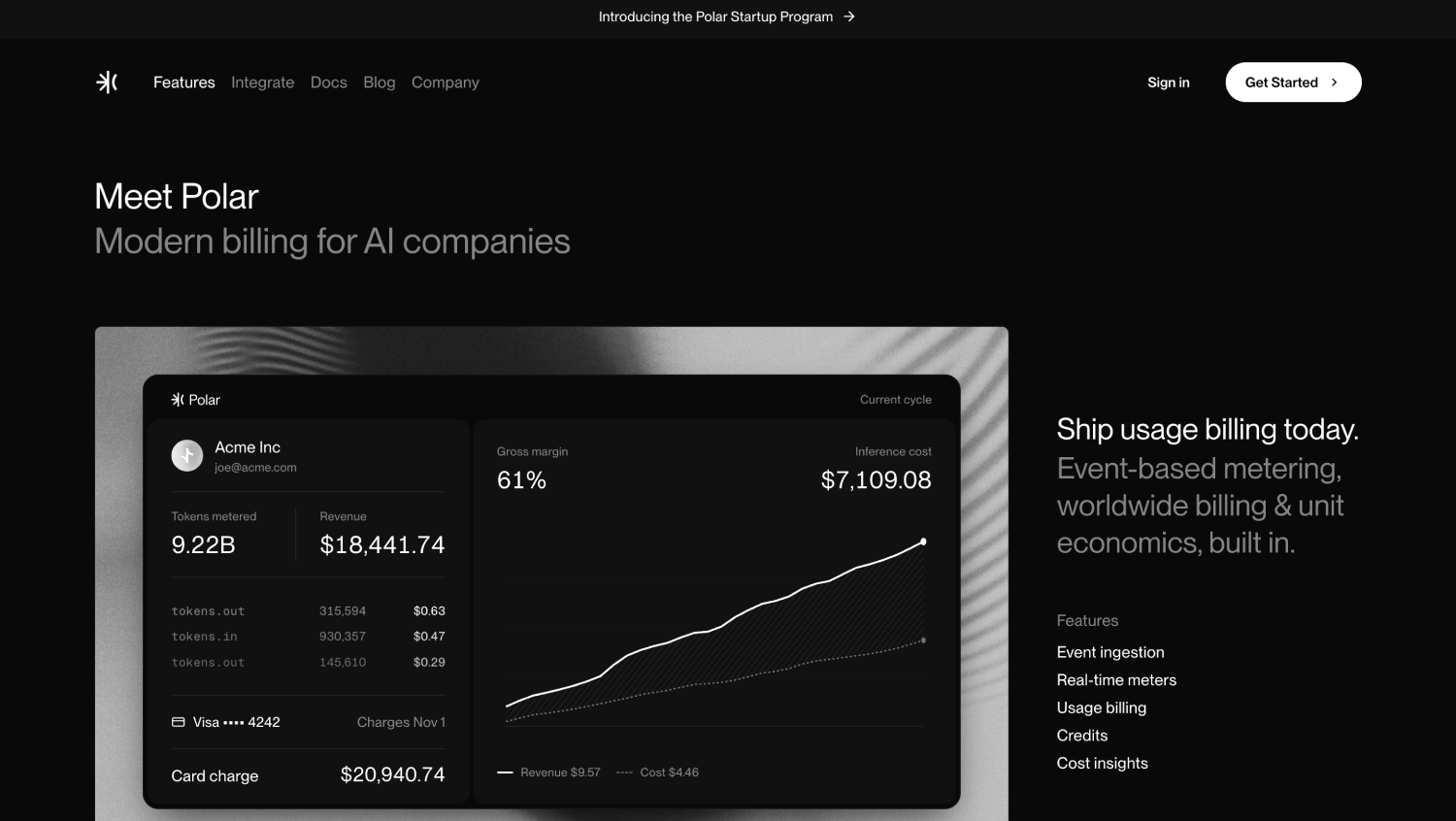
Polar targets developer-first products and open-source monetization. Its checkout is lightweight, its fee structure is transparent, and it is built for founders who want to start selling in an afternoon without a legal review. Polar acts as MoR and handles VAT and sales tax globally. Pricing is available on its public pricing page. Polar is not suitable for B2B deals requiring invoiced billing or PO references, but at this stage, most buyers are not asking for them.
Dodo Payments
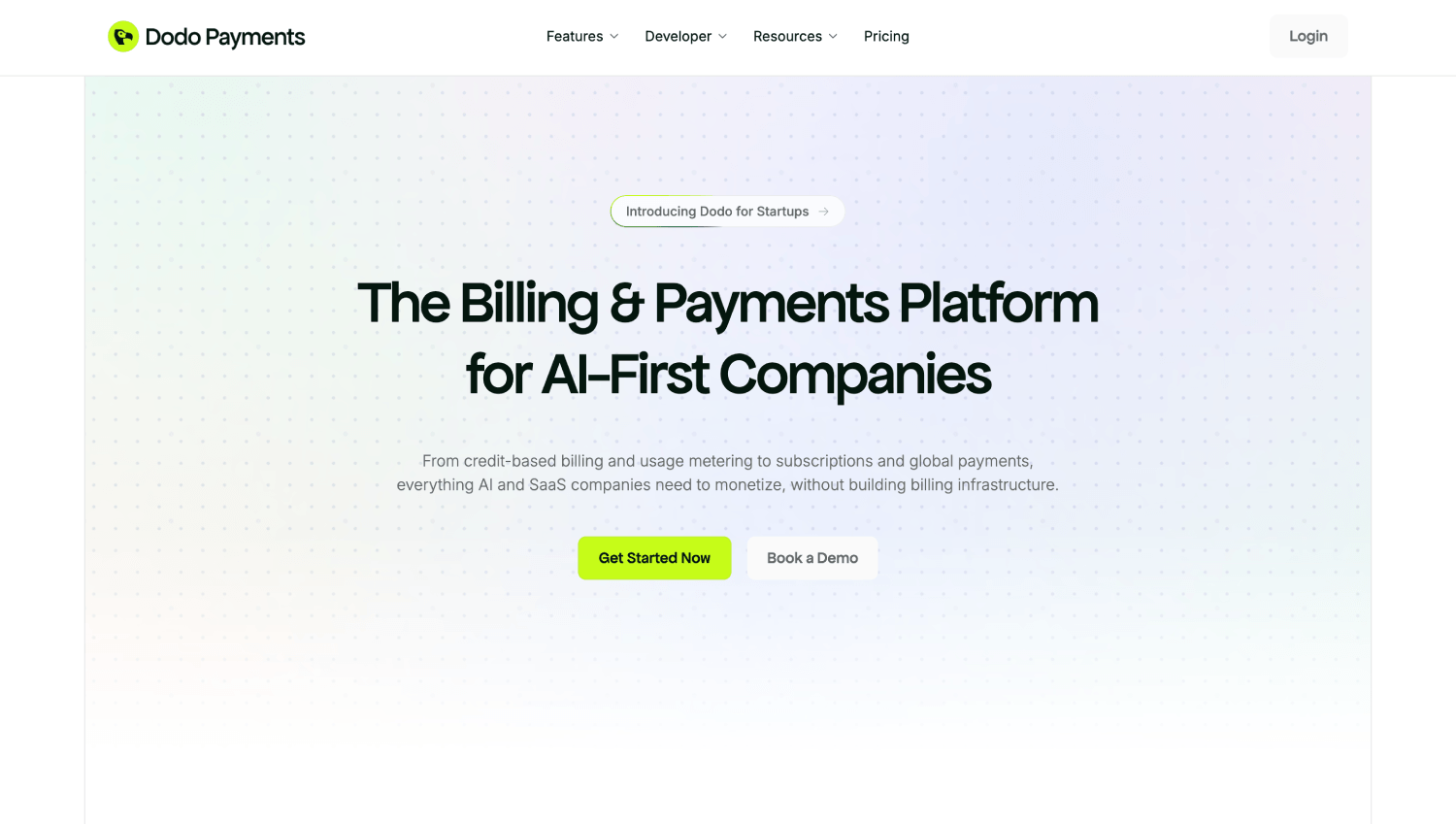
Dodo Payments is one of the newer entrants and is explicitly positioned for indie SaaS, early-stage founders, and small software products. It handles global tax compliance as MoR and accepts card, bank, and local payment methods in multiple regions. Pricing is available on its public pricing page. It is a practical choice for founders who want MoR coverage without committing to a platform built for mid-market volume.
Freemius
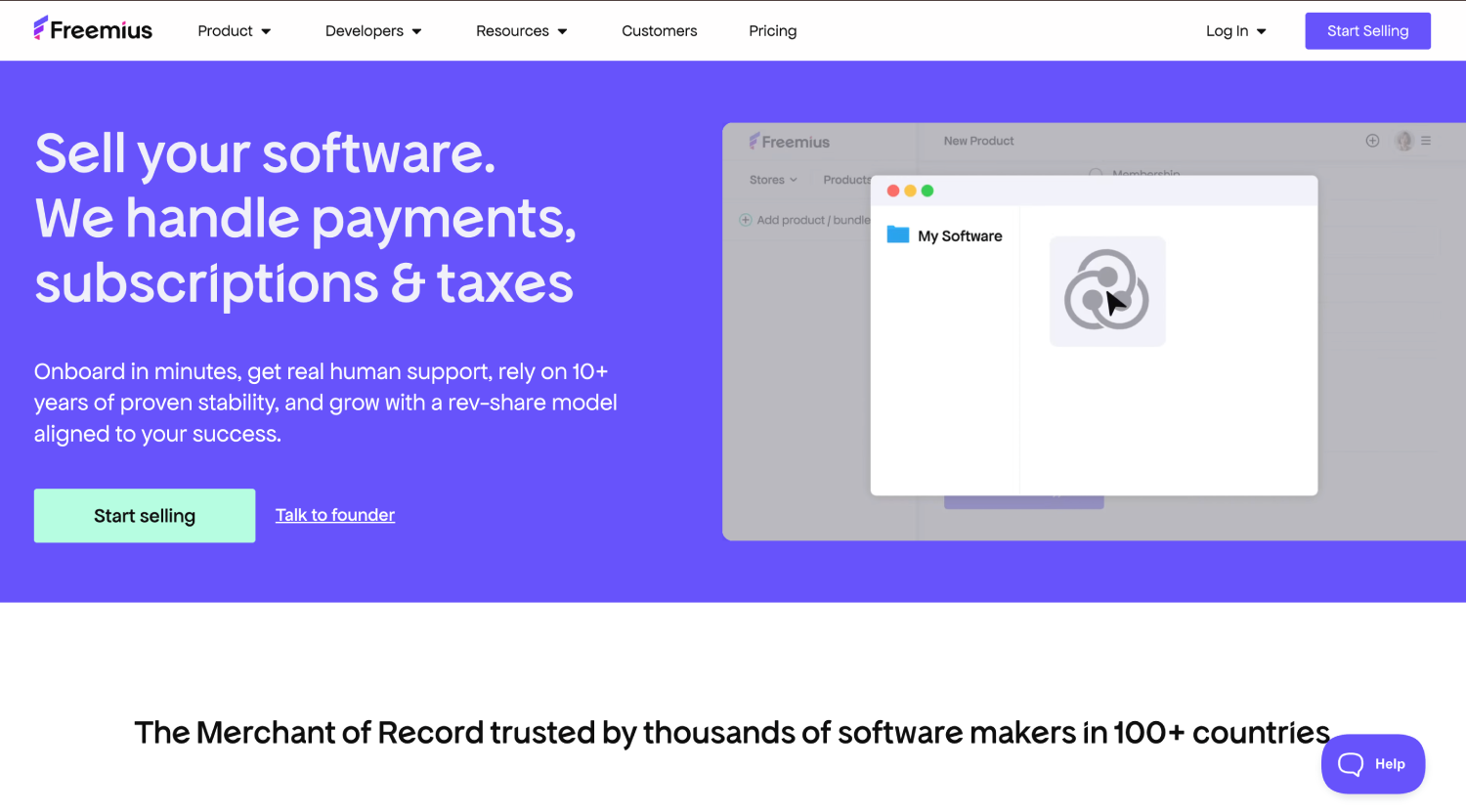
Freemius specializes in WordPress plugins, themes, and software products sold through the WordPress plugin and theme market. It acts as MoR, handles licensing, and manages upgrade flows. If your product lives outside the WordPress world, Freemius is not the right fit. If it does, Freemius is difficult to match for that specific use case because its entire checkout, license key management, and upgrade logic is built around that distribution pattern.
Which Merchant of Record Providers Fit Growth-Stage SaaS?
Stage verdict: Paddle or PayPro Global are the strongest fits between $500K and $3M ARR for SaaS with monthly and annual plans, multi-currency needs, and an expanding international customer base.
Paddle
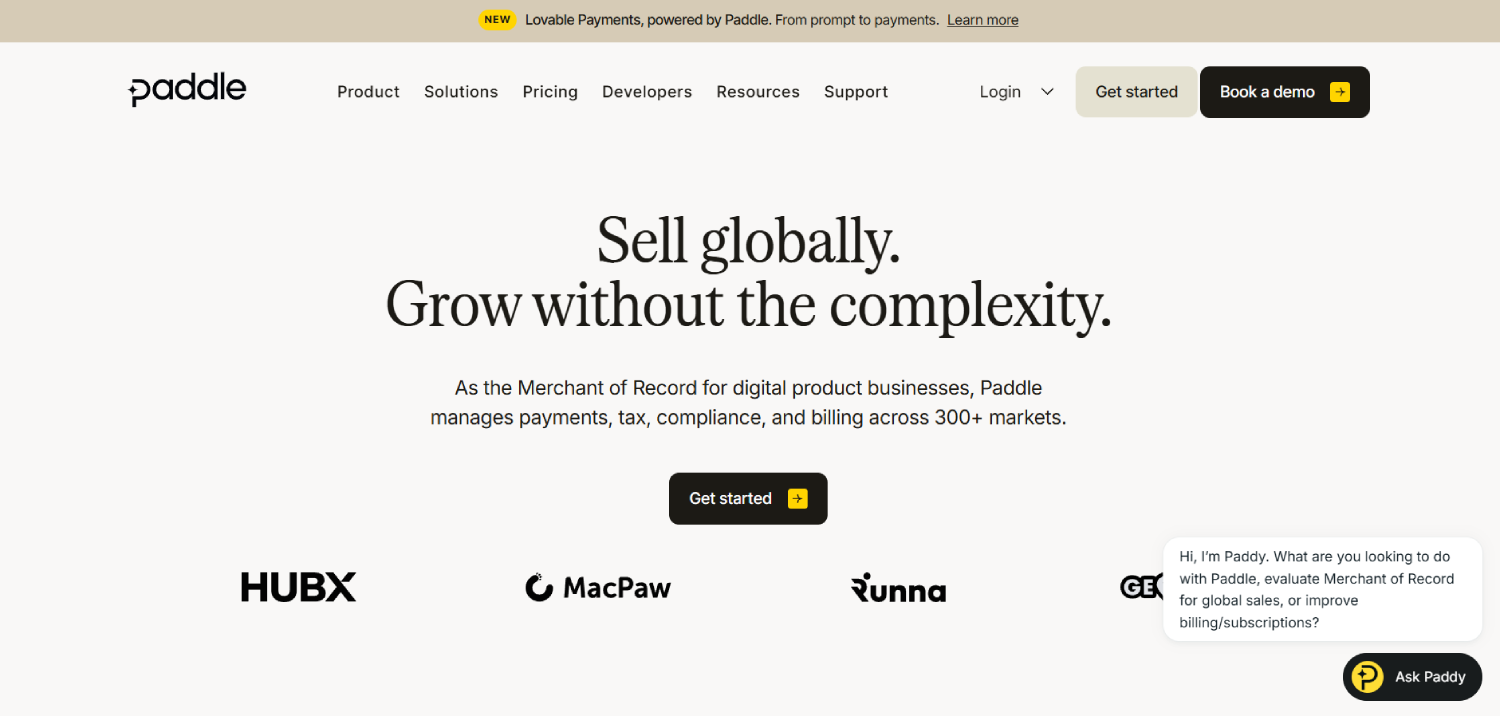
Paddle is the default growth-stage MoR for SaaS. Its checkout, subscription management, and tax handling are tightly integrated, which removes the need for separate billing software or tax tools at this stage. Paddle’s pricing is available on its public pricing page. The practical limitation appears when you start adding sales-assisted deals: Paddle’s invoicing capabilities for B2B buyers requiring PO numbers or custom payment terms are constrained relative to what an enterprise-focused MoR can offer. The Stripe vs Paddle vs Lemon Squeezy vs Polar comparison covers the checkout and billing trade-offs in detail for founders still deciding between processor and MoR models.
PayPro Global
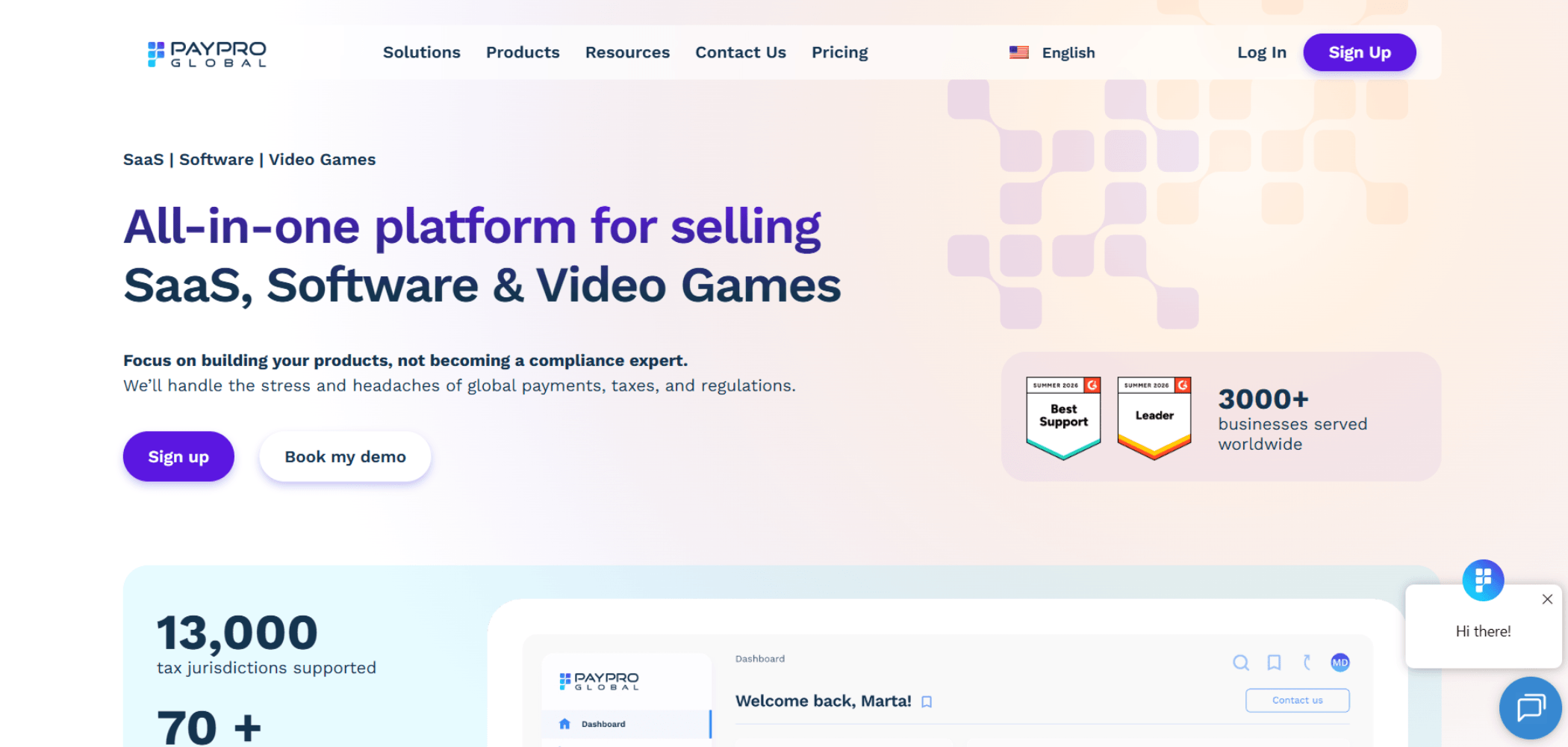
PayPro Global is a capable mid-market MoR that covers global tax compliance, subscription billing, and multi-currency checkout. It supports a broader range of payment methods than some competitors, including wire transfers and local bank options that matter in markets where card penetration is lower. PayPro Global does not publish its full pricing on its public pricing page; expect to request a quote. It fits best for growth-stage SaaS starting to see buyers in regions where card-only checkout creates friction.
Lemon Squeezy
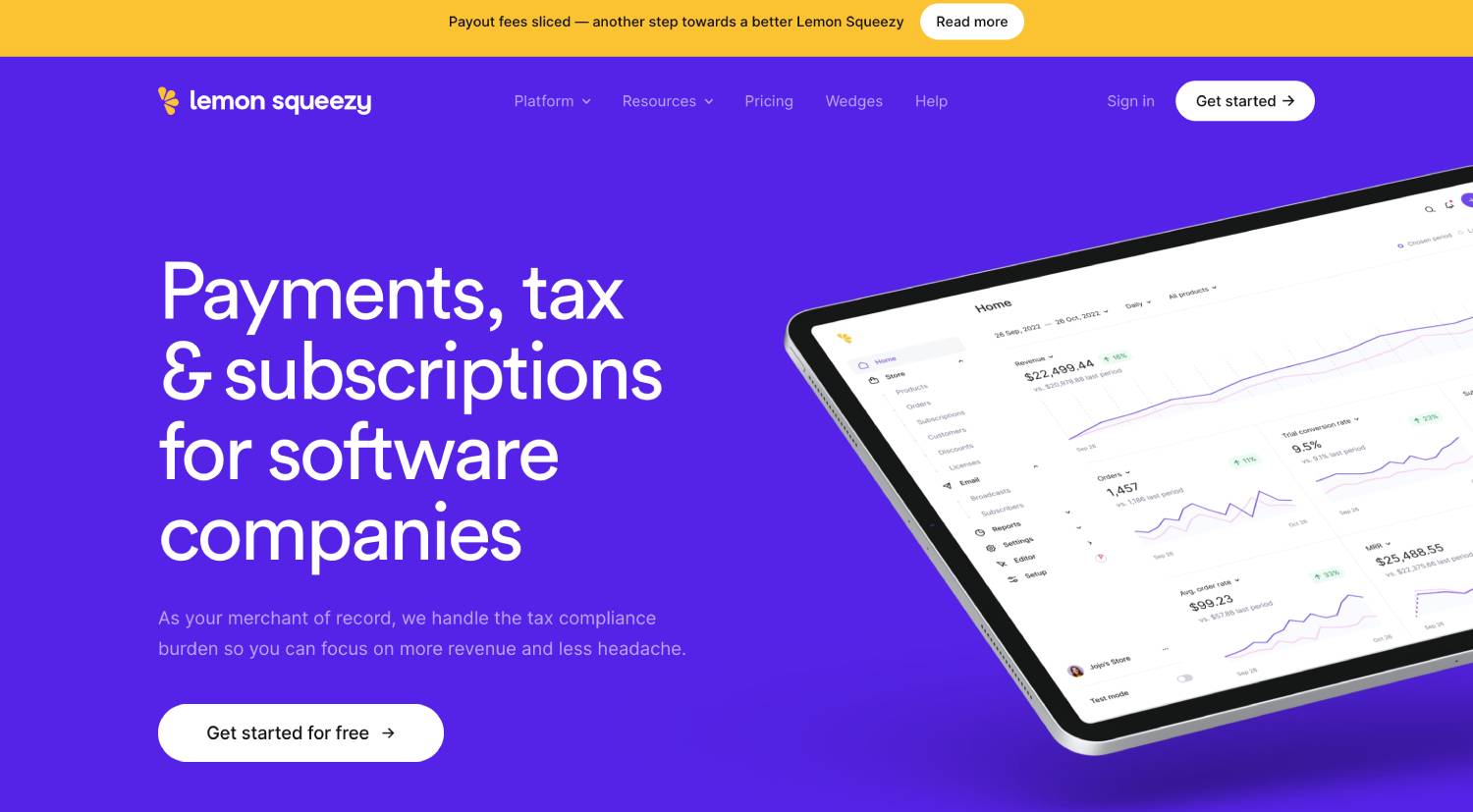
Lemon Squeezy (now part of Stripe) sits between self-serve tools and Paddle in terms of feature depth. It handles MoR tax compliance and has a developer-friendly API, making it appealing for product-led teams who want flexibility without building from scratch. Its acquisition by Stripe introduces some uncertainty about long-term roadmap positioning relative to Stripe’s own billing products. For straightforward SaaS with a developer buyer base, it remains a valid option at this stage.
Which Merchant of Record Providers Fit Scale-Stage SaaS?
Stage verdict: FastSpring or Cleverbridge are the right choices between $3M and $10M ARR, particularly when your sales motion has shifted to include outbound deals, annual contracts, and buyers who expect a formal invoice before payment.
FastSpring
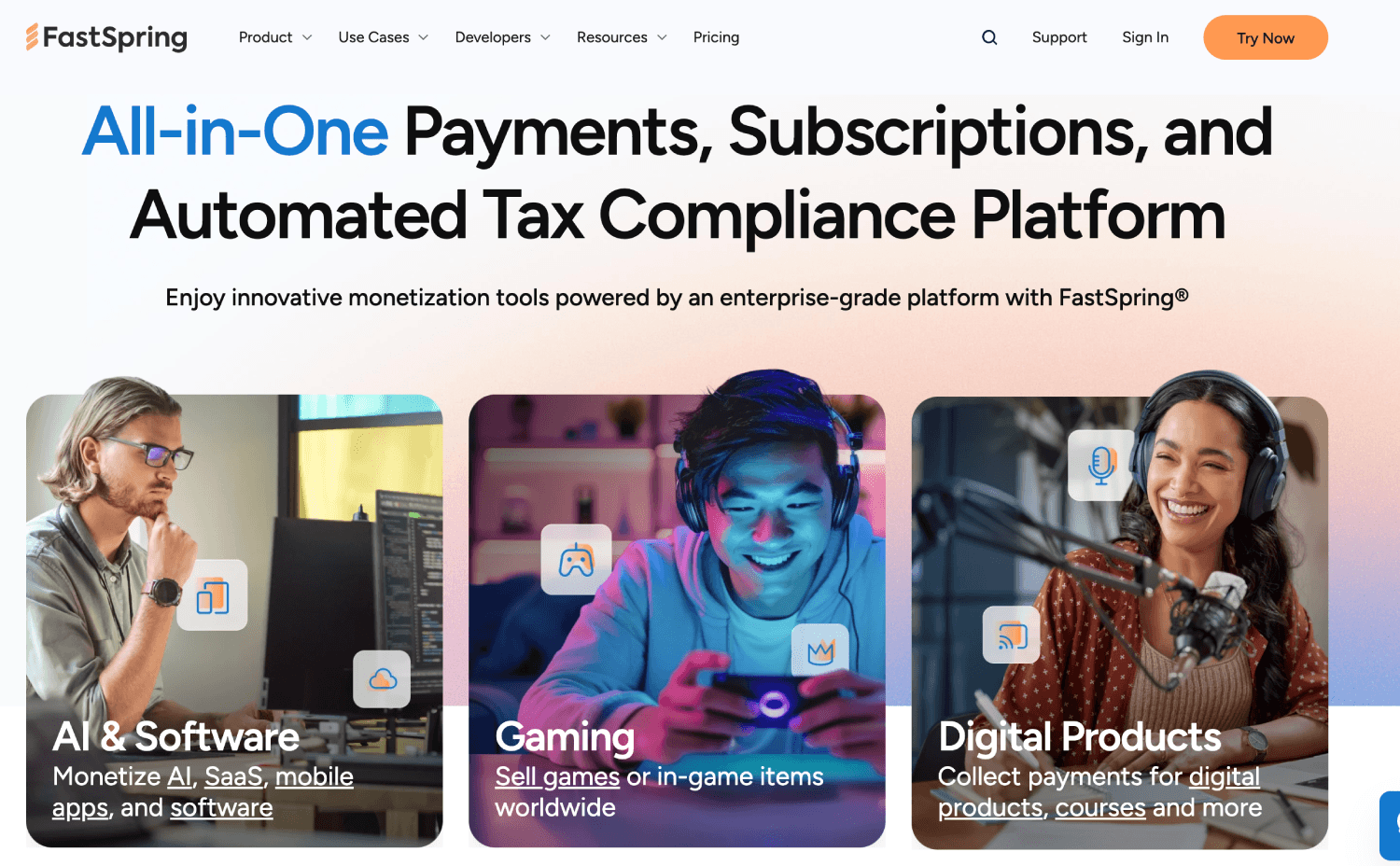
FastSpring has been an MoR for software companies since the early 2000s and its depth shows. It supports subscription billing, one-time purchases, bundles, trials, and custom pricing. More relevantly at this stage, it can generate formal invoices, handle PO references, and process wire payments for enterprise buyers. FastSpring’s pricing varies by volume and contract, and the company does not publicly disclose its full fee schedule. It is a strong fit for SaaS teams that have added a sales team and need the checkout infrastructure to keep pace with deal complexity.
Cleverbridge
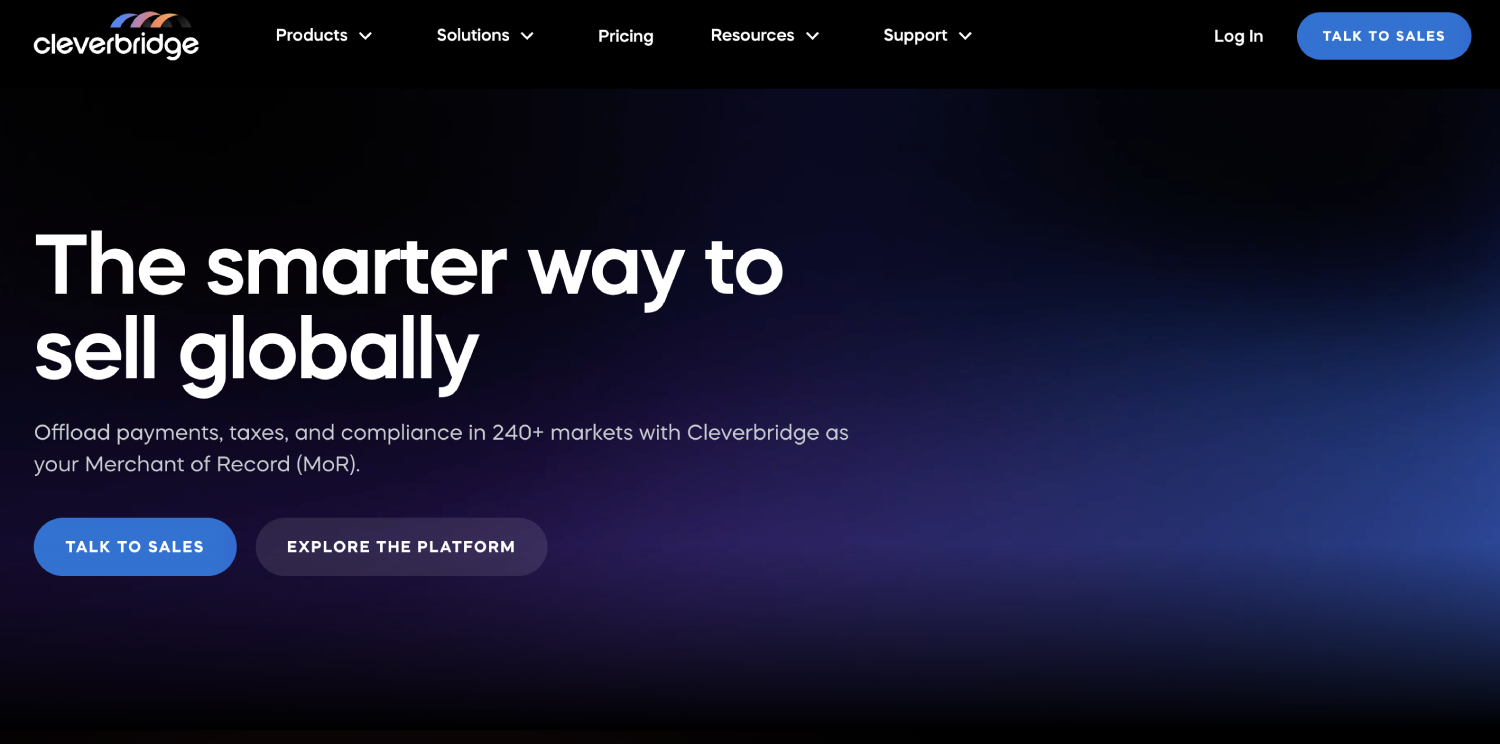
Cleverbridge serves mid-market and enterprise software vendors with global reach. It handles VAT, GST, and US sales tax across a wide jurisdiction footprint, and its platform supports co-terming, volume licensing, and renewal automation that matter when contracts span multiple seats or product lines. Cleverbridge does not publish pricing publicly; contracts are negotiated based on volume. For SaaS at the top of this stage preparing for enterprise motion, Cleverbridge handles the operational complexity that will otherwise fall on your finance team.
Nexway
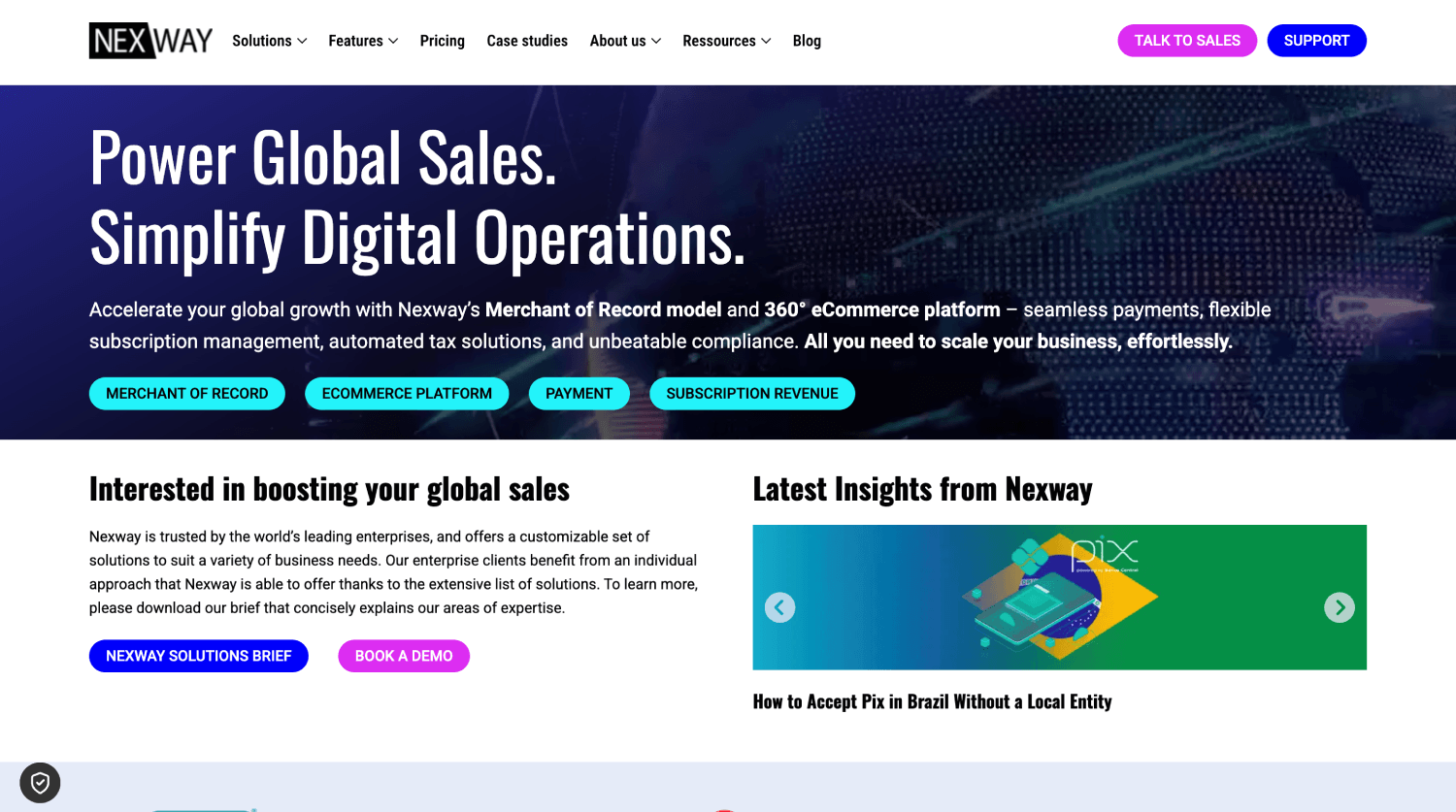
Nexway is a European-headquartered MoR with a strong presence in the software and gaming markets. It supports global distribution through partner channels as well as direct-to-consumer and B2B billing. Nexway’s channel commerce capabilities set it apart from most other providers in this tier: if your go-to-market includes resellers or distributors who need revenue sharing and reporting, Nexway handles that natively. Pricing is not publicly disclosed.
Which Merchant of Record Providers Fit Enterprise SaaS?
Stage verdict: Cleverbridge, FastSpring at enterprise tiers, or a specialized MoR with dedicated implementation support are the right options above $10M ARR when procurement teams, legal review, net terms, and volume licensing are standard deal requirements.
At this stage, the MoR selection conversation shifts from fee comparison to contract flexibility. Enterprise buyers expect net-30 and net-60 terms, purchase order matching, formal billing entities, and the ability to negotiate multi-year pricing. Self-serve MoRs cannot support this workflow without significant workarounds. The best merchant of record platforms for enterprise SaaS with net terms covers this in more depth, including which providers actually handle PO-referenced invoicing natively.
For SaaS teams crossing the $10M ARR threshold and encountering the compliance and reporting demands that come with it, the cost of using an MoR that cannot handle enterprise billing complexity shows up directly in deal cycle length. A finance team manually issuing invoices outside the MoR to satisfy a buyer’s procurement system is a signal the MoR selection needs revisiting. Understanding those hidden costs earlier is worth reading through the hidden costs killing fintech SaaS margins before you commit to a platform contract.
Stage-Based MoR Selection Table
| Provider | Best Stage | Buyer Type | Invoicing / PO Support | Pricing Transparency | Tax Jurisdictions |
|---|---|---|---|---|---|
| Polar | Pre-revenue to $500K ARR | Developers, indie SaaS | Basic receipts only | Public pricing page | Global VAT and sales tax |
| Dodo Payments | Pre-revenue to $500K ARR | Indie SaaS, early-stage | Basic receipts only | Public pricing page | Global tax compliance |
| Freemius | Pre-revenue to $1M ARR | WordPress plugin and theme sellers | Standard receipts | Public pricing page | Global VAT and sales tax |
| Lemon Squeezy | $100K to $2M ARR | Developer tools, PLG SaaS | Basic invoicing | Public pricing page | Global VAT and sales tax |
| Paddle | $200K to $5M ARR | Self-serve and SMB SaaS | Limited PO support | Public pricing page | Global, 180+ countries |
| PayPro Global | $500K to $5M ARR | SMB and growth SaaS | Invoice generation | Quote required | Global multi-currency |
| FastSpring | $1M to $15M ARR | SMB and mid-market | PO support, wire transfers | Quote required | Global VAT, GST, sales tax |
| Cleverbridge | $3M ARR and above | Mid-market to enterprise | Full PO, net terms, co-term | Negotiated contract | Global, broad coverage |
| Nexway | $2M ARR and above | Software, gaming, B2B | Channel and B2B invoicing | Negotiated contract | Global, European focus |
Three More Providers Worth Knowing for Specific Use Cases
2Checkout (now Verifone)
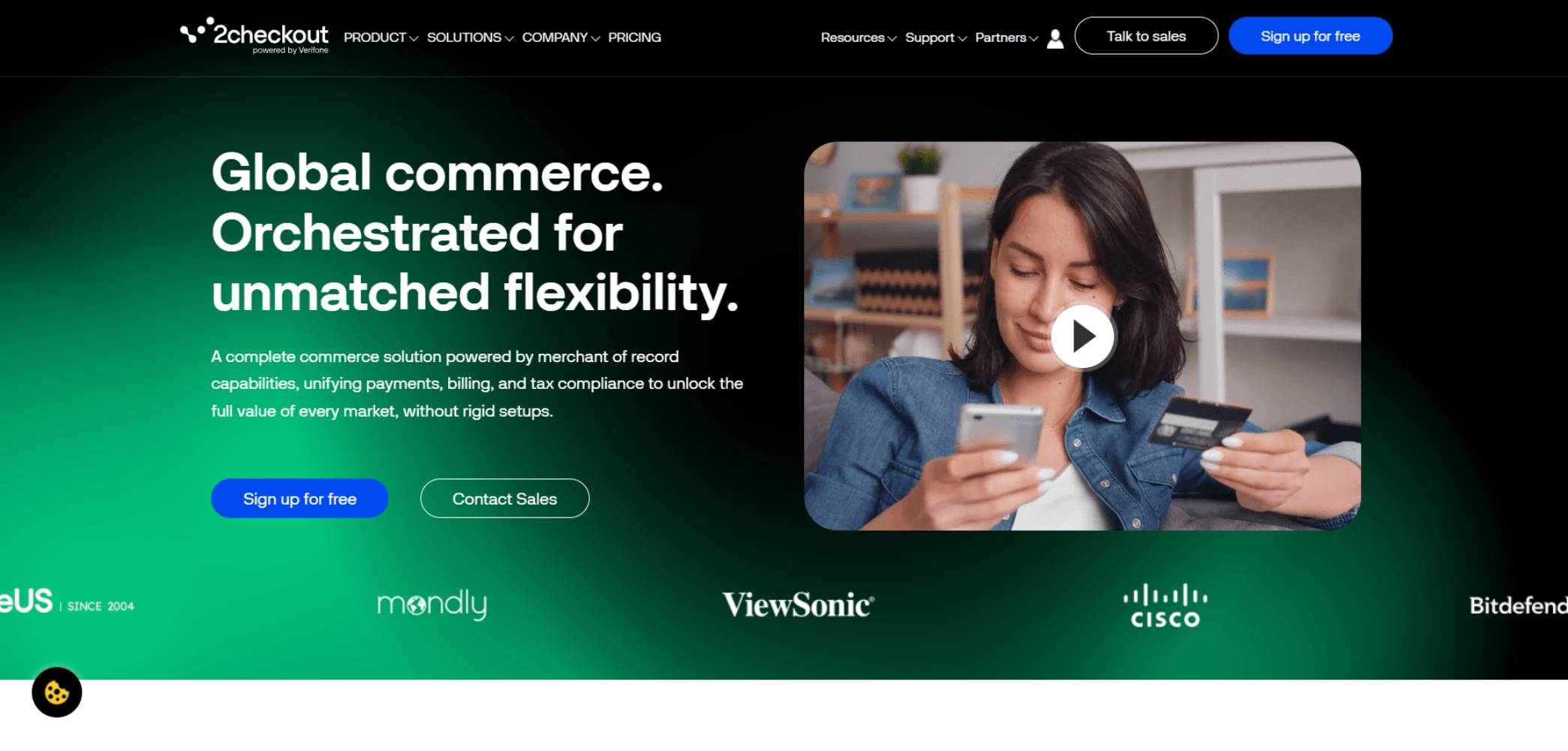
2Checkout, rebranded under Verifone, serves a broad range of software and SaaS vendors with global payment coverage and subscription management. It has operated as an MoR for digital goods for years and supports multiple pricing models. Verifone does not publish granular pricing publicly. For SaaS teams that have outgrown self-serve MoRs but are not yet ready for a Cleverbridge-style enterprise contract, 2Checkout sits in that gap, though its recent rebranding under Verifone has introduced uncertainty about product roadmap prioritization.
Paddle Billing (for Stripe-native teams)

Paddle launched a separate billing product designed for teams already using Stripe for payment processing who want to add MoR tax compliance without fully migrating their payment stack. This is a distinct product from Paddle’s primary MoR offering. If your engineering team has already built deeply on Stripe and a full MoR migration is not feasible, Paddle Billing provides a middle path. Pricing details are available on Paddle’s public pricing page.
Gumroad (for content-adjacent SaaS)
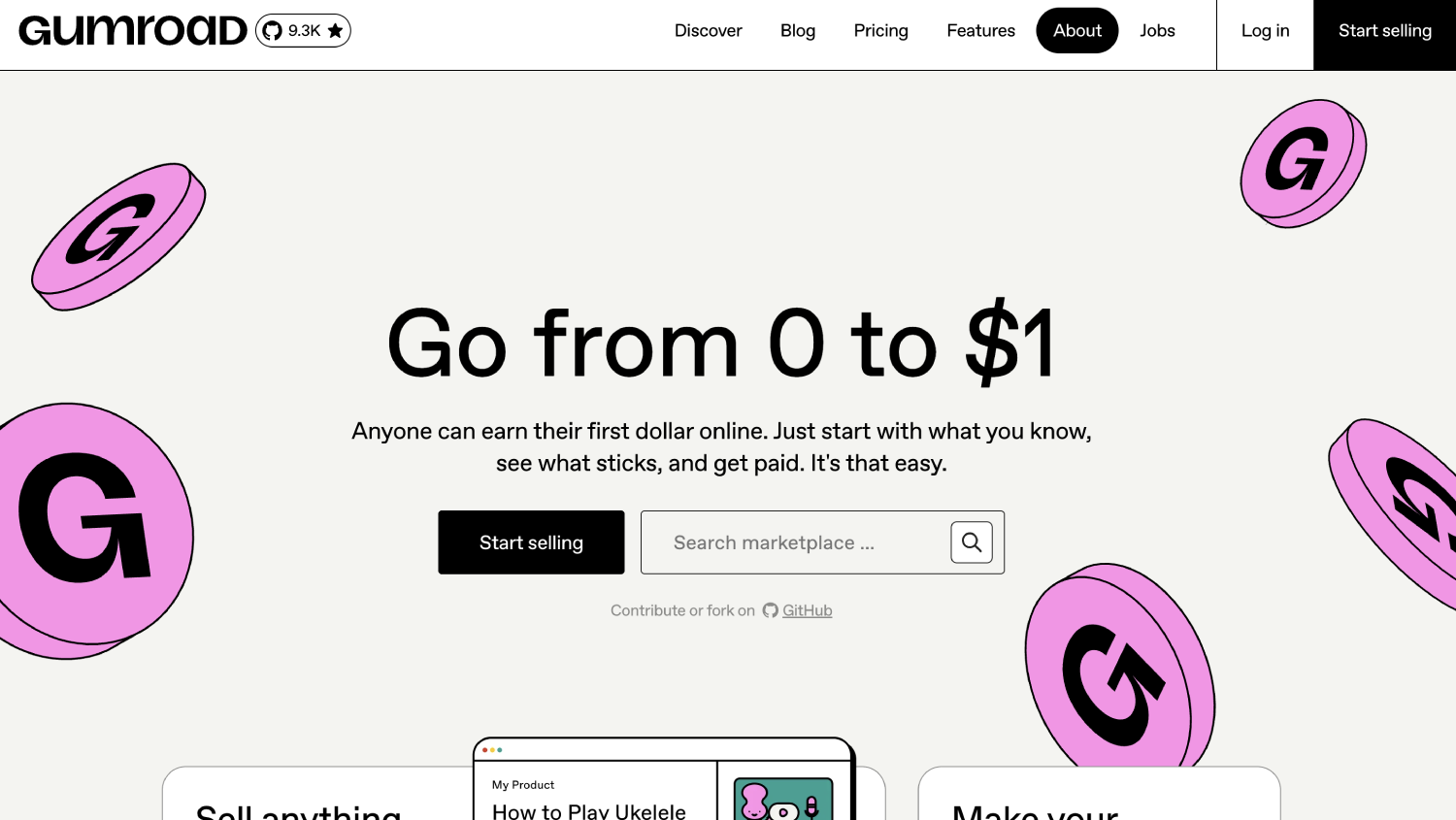
Gumroad acts as MoR and handles VAT on digital goods globally. It is not designed for subscription SaaS in any meaningful way, but for products at the intersection of content and software (ebooks, templates, simple one-time digital tools) it removes all payment infrastructure overhead. Its flat-fee pricing model is published publicly on its pricing page. Do not choose it if your product has a recurring billing component.
What Does MoR Actually Cost Across These Providers?
Self-serve MoRs like Polar and Dodo Payments publish fees directly on their pricing pages. Paddle publishes its standard rate publicly. Mid-market and enterprise MoRs including FastSpring, Cleverbridge, Nexway, and PayPro Global do not publish specific percentage rates and require a sales conversation before quoting. This pricing opacity is itself a signal: those platforms expect higher-volume relationships with negotiated economics.
To illustrate the fee difference at scale: a growth-stage SaaS company processing $150,000 per month in subscription revenue across the US and EU would pay roughly $7,500 per month at a 5% self-serve MoR rate (plus per-transaction costs), versus approximately $5,250 per month at a negotiated 3.5% blended rate from a mid-market provider. That $2,250 monthly difference compounds to roughly $27,000 over a year , meaningful against a Series A operating budget. These figures are illustrative based on publicly known fee structures, not reported pricing from any specific vendor. Actual quotes will vary.
Tax compliance is the other half of the cost equation. Building your own VAT registration and filing infrastructure across the EU, UK, Australia, Canada, and Japan would require a tax attorney, an ongoing compliance service, and engineering time. A reliable MoR bundles that cost. For early-stage teams, the MoR fee is not overhead; it is the price of not building a finance and legal function prematurely. The real cost of compliance in fintech SaaS broken down by stage provides more detail on when DIY tax infrastructure starts making economic sense versus when outsourcing it wins.
How Do You Evaluate an MoR Before Signing?
The evaluation criteria shift by stage, but four checks apply across all of them. First: can the MoR generate a formal invoice with a purchase order number attached? Ask for a sample. Second: which tax jurisdictions does the platform handle natively, and which require you to manage filings separately? Third: what is the chargeback and dispute process, and does the MoR absorb fraud liability or push it back to you through fine print? Fourth: what are the contract exit terms? Some enterprise MoRs require 90-day notice windows and have data portability limitations that make migration expensive.
A broader due diligence framework applies here as well. The seven-point buyer framework for evaluating fintech vendors covers the contract, data, and operational questions that reveal platform risk before you are locked in.
Frequently Asked Questions
What is the best merchant of record for early-stage SaaS founders?
Polar and Dodo Payments are the strongest fits for pre-revenue and sub-$500K ARR SaaS selling to individual buyers or developers. Both act as MoR, handle global VAT and sales tax, and publish pricing on their public pages. They are not suitable for B2B deals requiring purchase order invoicing, but at this stage, most buyers are not requesting it.
Which merchant of record providers support enterprise invoicing and net terms?
Cleverbridge and FastSpring are the two providers with the strongest native support for PO-referenced invoices, net-30 and net-60 payment terms, and wire-based collections. Both require negotiated contracts rather than self-service sign-up. Nexway also supports enterprise and channel invoicing, particularly for software companies using reseller or distributor networks. Self-serve MoRs like Paddle have limited PO support and are generally not adequate for enterprise procurement workflows.
Is Paddle the best merchant of record for B2B SaaS?
Paddle is the best general-purpose MoR for self-serve and SMB SaaS in the $200K to $5M ARR range. Above that range, especially when your sales motion includes enterprise buyers with procurement requirements, Paddle’s invoicing limitations become a real operational problem. FastSpring and Cleverbridge are better fits as ARR scales and deal complexity grows. For developer-first SaaS specifically, the Paddle vs Polar comparison covers those trade-offs directly.
Do merchant of record providers handle US sales tax automatically?
Most established MoRs handle US sales tax collection and remittance across states where digital products are taxable. The scope varies. Paddle, FastSpring, Cleverbridge, and PayPro Global all handle US sales tax as part of their MoR liability coverage. Smaller providers like Polar and Dodo Payments also claim global tax compliance including US sales tax, but the depth of state coverage and the speed at which they update for new nexus rules is less publicly documented. Always confirm the exact list of covered jurisdictions before signing.
How do merchant of record fees compare across providers?
Self-serve MoRs publish fees on public pricing pages. Paddle’s rate is available on its site. Polar and Dodo Payments publish fees similarly. Mid-market and enterprise MoRs including FastSpring, Cleverbridge, Nexway, and PayPro Global do not publish rates publicly and quote based on volume and contract structure. At high enough volume, negotiated enterprise rates from these providers can be meaningfully lower than published self-serve rates from smaller platforms.
Can I use a merchant of record and still customize my checkout?
Most modern MoRs support branded or embedded checkout experiences through a combination of hosted pages and JavaScript APIs. Paddle, FastSpring, and Cleverbridge all offer configurable checkout with branding options. The degree of customization varies: Paddle and Lemon Squeezy offer developer-accessible checkout overlays, while enterprise MoRs like Cleverbridge support more deeply customized buying flows for high-touch sales processes. Freemius checkout is more constrained and is optimized for the WordPress plugin purchase flow specifically.
What happens to my MoR liability if I sell through a reseller?
When you sell through a reseller, the MoR liability question depends on whether your MoR contract covers channel sales or only direct transactions. Nexway and Cleverbridge both handle channel commerce natively, meaning they can manage revenue sharing, reseller reporting, and tax compliance across indirect sales. Most self-serve MoRs, including Paddle in its standard configuration, are built for direct-to-buyer transactions and do not extend MoR coverage to reseller-sourced revenue without separate arrangements.
Is Freemius only for WordPress products?
Freemius is designed specifically for the WordPress plugin and theme market. Its licensing, upgrade flows, and checkout are built around how WordPress products are distributed and activated. Outside of that context it is not a practical MoR choice: its onboarding assumes WordPress-native product structures, and its feature set does not translate to general SaaS subscription billing. If your product runs in WordPress, Freemius is hard to beat. If it does not, look elsewhere from the start.
The Selection Logic That Actually Matters
Merchant of record selection is not a features race. It is a stage alignment problem. The platforms that serve indie developers and early-stage products are built for low operational overhead and fast setup. The platforms that serve enterprise SaaS are built for billing flexibility and procurement compatibility. Mixing those two profiles creates real friction: using an enterprise MoR at $200K ARR means paying for implementation complexity and negotiation cycles you do not need yet; using a self-serve MoR at $8M ARR means blocking deals that require a real invoice.
The providers that consistently come up in mid-market evaluations, FastSpring and Cleverbridge, are not household names the way Paddle is. That is partly because they do less direct marketing and rely more on word of mouth among software finance teams who have actually hit the wall that self-serve MoRs cannot clear. Founders who move from Paddle to FastSpring almost always cite the same trigger: an enterprise buyer who would not pay until they received an invoice their AP system could process.
Pick the MoR that fits your next twelve months, not the one that sounds most comprehensive in a press release. You can migrate. The cost is real but bounded. What is harder to recover is the deal you lost because your payment infrastructure could not meet a buyer’s basic procurement requirements at the moment it mattered.