
- The fintech companies worth studying are not necessarily the biggest or best-funded. They win through positioning clarity, infrastructure decisions, and distribution that compounds.
- Brand and capital matter less than most operators assume. The durable advantages in fintech SaaS come from compliance positioning, pricing architecture, and who controls the distribution channel.
- Each company on this list teaches a specific lesson. The lesson matters more than the name.
- Fast-growing fintech SaaS companies tend to share one trait: they chose an infrastructure or go-to-market model that made expansion cheaper over time, not more expensive.
- This is not a valuation ranking. It is a case study in how fintech operators actually build.
Most lists of top fintech companies rank by valuation, funding round, or press coverage. That tells you who raised money. It does not tell you why they won, what choices they made early that compounded, or what any of it means for your business.
The more useful question is: what can a founder, CFO, or product lead actually learn from watching these companies operate? That requires a different lens. Not which fintech SaaS company is biggest, but which ones demonstrate a repeatable principle worth stealing.
The ten companies below were selected for that reason. Each one represents a distinct strategic lesson about positioning, monetization, infrastructure, compliance, or distribution. Some are large. Some are mid-stage. All of them are doing something structurally interesting that goes beyond narrative.
What Makes a Fintech SaaS Company Worth Learning From
Plenty of fintech companies grow fast for a few years on the back of low-rate environments, abundant venture capital, or a single viral distribution moment. That is not the same as building a company with durable operating logic. The ones worth studying tend to share a few characteristics: a monetization model that improves with scale, a compliance or regulatory position that functions as a moat, and a distribution channel that does not require buying attention indefinitely.
Brand is real, but it is usually downstream of those structural decisions. Reaching $10M ARR without breaking the business typically means getting those structural choices right early. The companies below all got at least one of them right in a visible way.
10 Best Fintech SaaS Companies to Learn From
1. Stripe , Infrastructure as Distribution
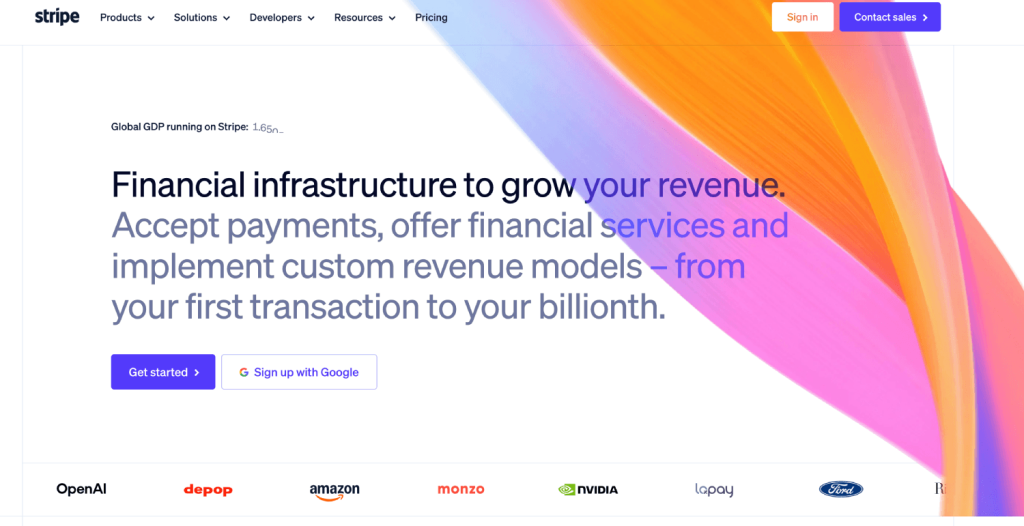
Stripe is the most studied company in fintech SaaS for a reason. Its core lesson is not that it built great payment infrastructure. It is that it made infrastructure the distribution channel. By starting with developers and making API integration the path of least resistance, Stripe embedded itself into thousands of products before it had meaningful enterprise sales. Every new product it ships (billing, fraud, tax, banking) distributes through the same installed base. The fintech API market was effectively shaped by Stripe’s approach to developer-first distribution.
2. Plaid , Owning the Data Layer
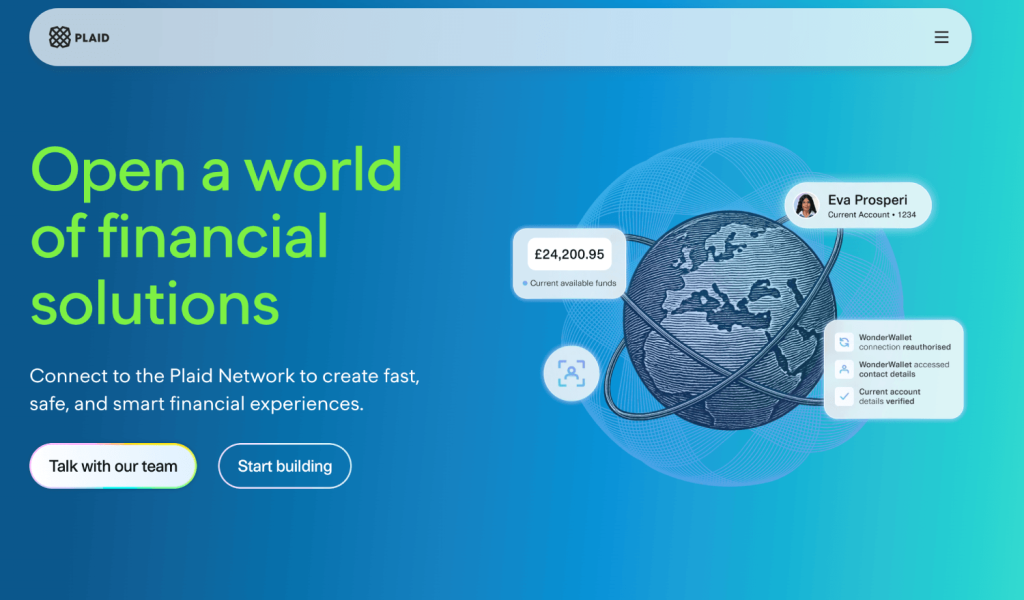
Plaid built its position by sitting between banks and every fintech app that needs account verification or transaction data. The strategic lesson is about owning an infrastructure layer that others are forced to route through. Plaid is not a consumer product and does not need to be. Every app that uses it reinforces its network value. This is a classic B2B fintech leader move: make yourself the connective tissue, not the finished product. The risk, as Plaid has discovered, is that the data layer attracts regulatory attention and platform risk from the banks themselves.
3. Wise , Pricing as a Moat
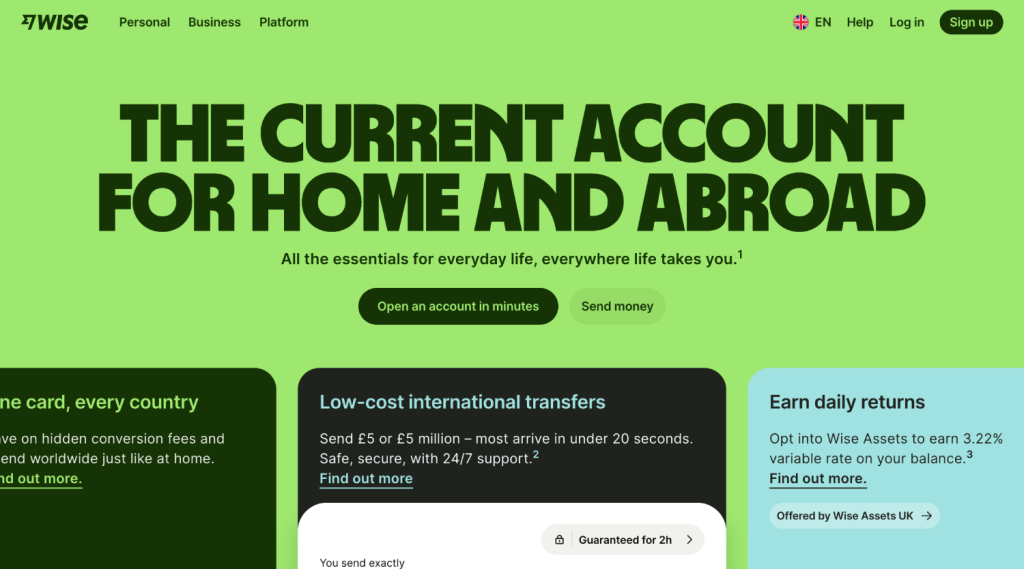
Wise built a cross-border payments business by making its pricing transparent and structurally cheaper than incumbents. The lesson here is not about technology. It is about using pricing honesty as a positioning weapon. Legacy wire transfers hid fees in exchange rate margins. Wise published the real cost. That transparency, combined with building its own payment network rather than relying on correspondent banking, created unit economics that got better as volume grew. For any B2B fintech SaaS founder thinking about fintech SaaS pricing models, Wise is the clearest example of price architecture as brand differentiation.
4. Ramp , Software Subsidizing Financial Products
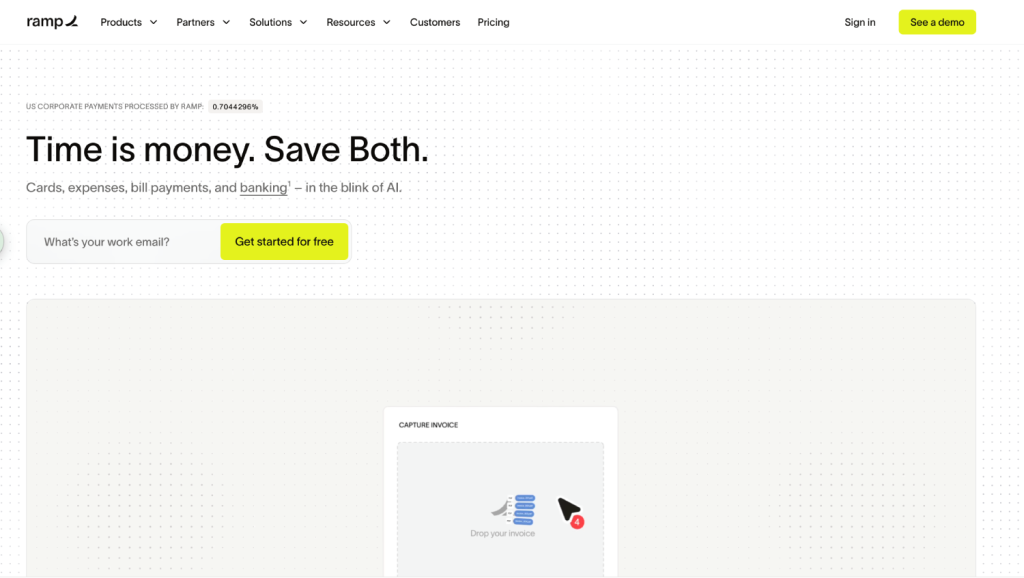
Ramp gives away expense management software and makes money on interchange and financial services. This model inverts the traditional SaaS assumption that software is the revenue source. The lesson is about using software as acquisition infrastructure for a higher-margin financial product. By solving a genuine operational pain point for free, Ramp earns spend volume that generates float-based and interchange revenue. It is one of the more sophisticated go-to-market models in B2B fintech. The risk is that it requires significant capital to carry before the unit economics flip positive.
5. Brex , Knowing When to Reposition
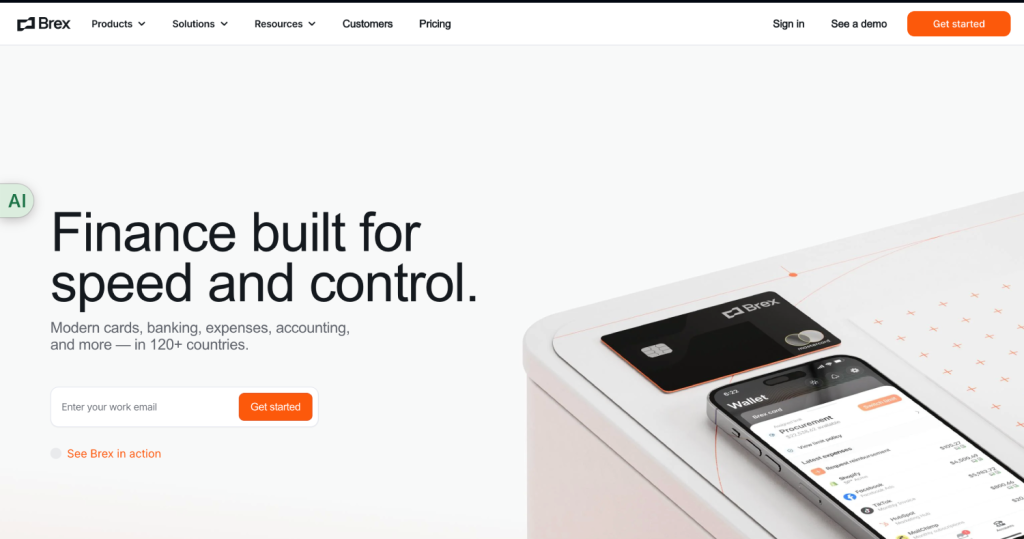
Brex launched as a corporate card for startups, then famously exited the SMB segment to focus on enterprise. That move cost Brex customers in the short term and generated significant negative press. The lesson is about the discipline to reposition when the unit economics of your original segment do not support the business model you need to build. Startup founders cycle through their cards quickly. Enterprise finance teams do not. Brex chose long-term contract value over early brand loyalty, which is a harder decision than it looks when you are in the middle of it.
6. Rippling , Compound Products Done Right
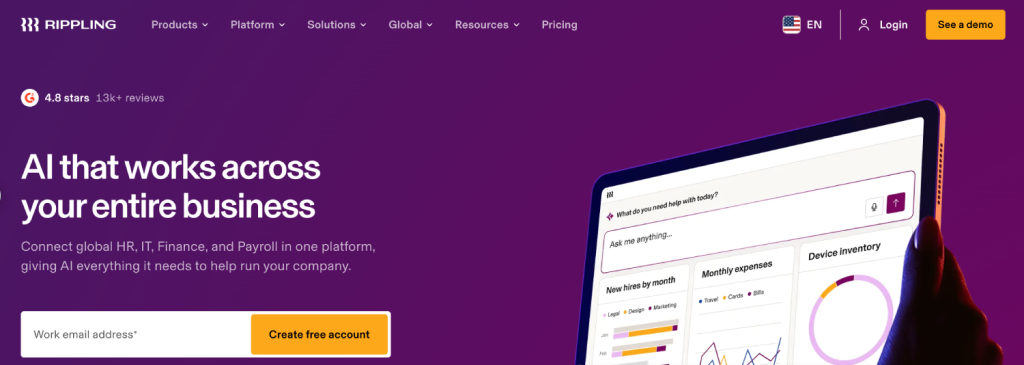
Rippling started in HR and payroll, then systematically built adjacent financial products: corporate cards, expense management, spend controls. The lesson is about compound product architecture. Each new product is easier to sell because it pulls data from and integrates with the existing stack. The distribution cost per new module is dramatically lower than it would be for a standalone product entering the same category. Rippling is the clearest current example of a fintech SaaS company using product compounding as a growth model rather than pure expansion into new verticals.
7. Airwallex , Going Global Before You Are Forced To
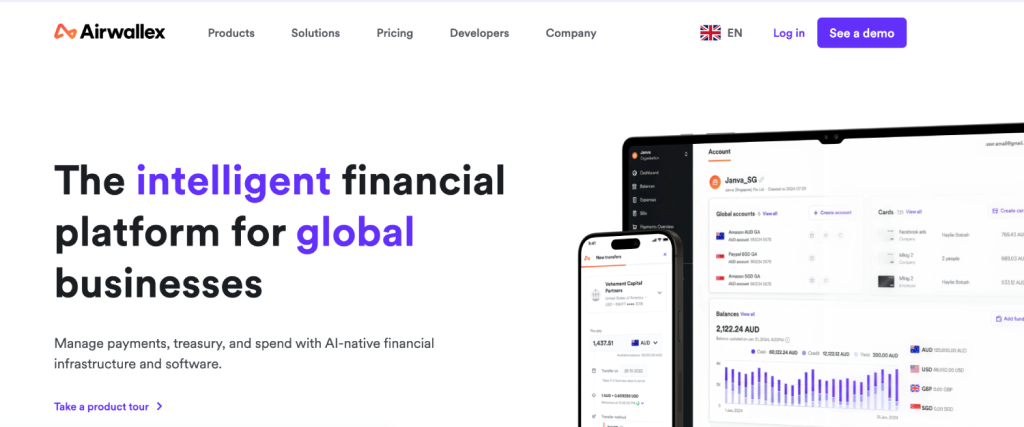
Airwallex built multi-currency accounts and global payment infrastructure for businesses from the beginning, not as an afterthought. Most SaaS companies internationalize late, after US growth stalls, and discover that the compliance, banking relationships, and FX architecture needed to operate globally are far more expensive to retrofit than to design in. Airwallex’s lesson is about timing the global build. Companies that treat international as a first-class concern from the start tend to have lower expansion costs and fewer technical debt problems when cross-border volume actually arrives.
8. Checkout.com , Enterprise Sales With Compliance as the Product
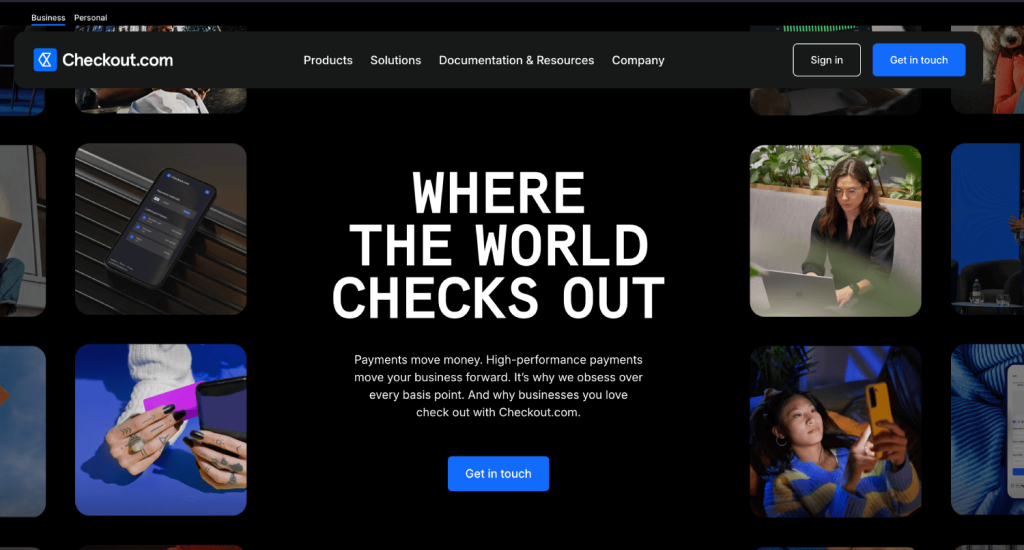
Checkout.com competes in a crowded payments infrastructure space by focusing on large enterprise merchants where authorization rate optimization and global acquiring relationships matter more than developer experience. The lesson is that compliance infrastructure and acquiring bank relationships, not just software, can be the core product in payments. For enterprise buyers processing billions in annual volume, a half-point improvement in authorization rates is worth more than any UI improvement. This is a different motion than Stripe’s developer-first model, and it is a reminder that the same market can support multiple winning strategies targeting different buyers.
9. Adyen , Vertical Integration as Margin Defense
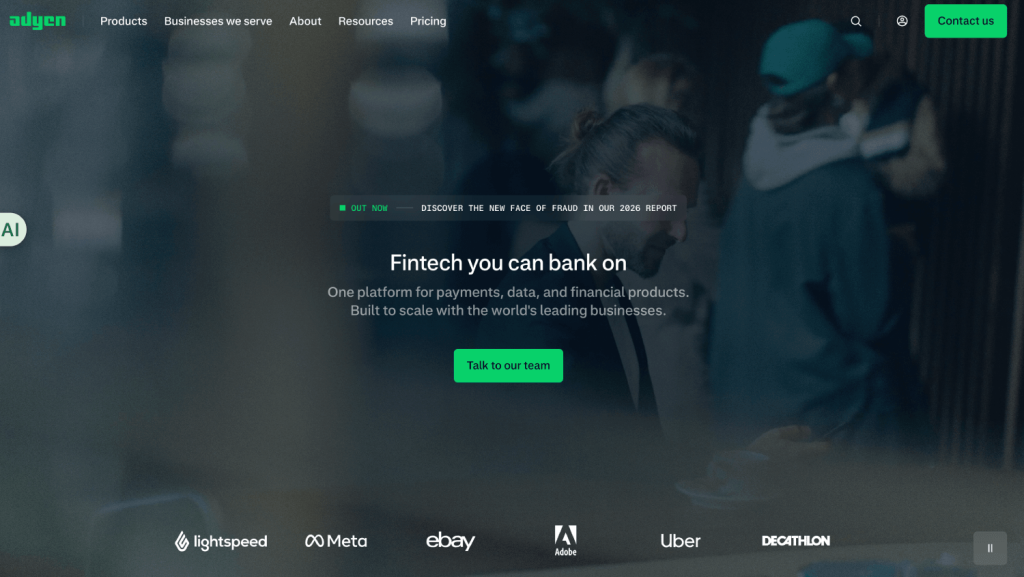
Adyen built its own acquiring infrastructure, payment processing, and merchant dashboard rather than licensing pieces from others. That vertical integration is expensive to build but creates margin durability that resellers and aggregators cannot match. The lesson is about the long-term trade-off between speed to market and margin structure. Most fintech SaaS founders rightly choose speed early, outsourcing payment infrastructure to third parties. But the companies that eventually compete at scale often need to revisit that decision. Understanding payment infrastructure trade-offs before you scale is worth the time.
10. Sardine , Compliance as a Growth Strategy
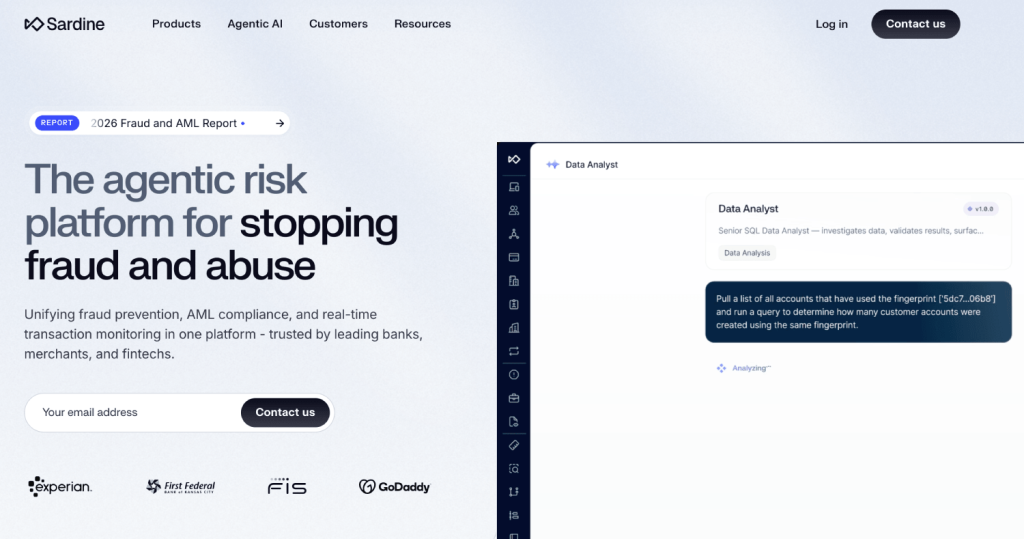
Sardine is less well known than the others on this list, which makes it more instructive. It built fraud detection and compliance infrastructure specifically for fintech companies and crypto platforms, two categories where compliance failures are existential. The lesson is that regulatory risk can be turned into a competitive position. By making compliance their product rather than their overhead, Sardine sells to customers for whom the alternative is a regulatory action or a fraud loss that wipes out a quarter of revenue. That creates a very different sales conversation than feature comparison. For any startup thinking about fraud detection and risk tooling, Sardine’s positioning is worth understanding regardless of whether you use the product.
What These Companies Have in Common
None of these companies won primarily through brand spend. Stripe won through developer distribution. Wise won through pricing transparency. Ramp won by giving away software. Brex won by accepting short-term pain to fix its unit economics. Rippling won through product compounding. Adyen and Checkout.com won by targeting different segments of the same market with fundamentally different operating models.
The pattern is that each company made one or two structural choices early that got cheaper over time, not more expensive. Developer-first distribution compounds. Vertical integration amortizes. Compliance infrastructure, once built, becomes a barrier that slows down competitors more than it costs you. This is distinct from growth strategies that require continuous spending to maintain, like performance marketing or aggressive sales headcount.
One tension worth naming: several of these companies are now in direct competition with each other. Ramp and Brex overlap on corporate cards. Rippling competes with both on spend management. Stripe, Checkout.com, and Adyen overlap on enterprise payments. The fact that multiple models can coexist in the same category is evidence that positioning clarity matters as much as the strategy itself. Two companies can use similar infrastructure models and still not directly compete if they target different buyer profiles with different pricing and distribution.
What Fast-Growing Fintech SaaS Companies Get Right About Distribution
Distribution is the most underrated variable in B2B fintech growth. Most founders focus on product differentiation. But how a product reaches its buyer, and what that distribution costs at scale, is often more determinative of long-term success than feature depth. The companies above all found a distribution channel that compounded: developer networks, enterprise sales with compliance moats, product-led growth subsidized by financial margins, or platform embedding.
Understanding how fintech companies monetize payments without friction is directly connected to this. The best monetization models are often invisible to the end user because the revenue comes from the financial transaction, not from a subscription line item the buyer scrutinizes annually.
For founders evaluating their own infrastructure choices, particularly around payment processing and merchant-of-record decisions, the trade-offs are material and often irreversible once you scale. The comparison between Stripe, Paddle, and Lemon Squeezy as merchant of record options is one concrete example of where early infrastructure decisions create path dependency later.
Frequently Asked Questions
1. What is a fintech SaaS company?
A fintech SaaS company is a software-as-a-service business that delivers financial technology products or infrastructure through a subscription or usage-based model. This includes payment processors, banking-as-a-service providers, expense management platforms, fraud detection tools, and financial data APIs. The value is delivered through software, though many fintech SaaS companies also generate revenue from financial transactions, interchange, or float in addition to software fees.
2. What makes a fintech SaaS company grow fast?
The fastest-growing fintech SaaS companies typically have a distribution model that compounds. Developer-first APIs, product-led growth where software is free and revenue comes from financial margins, and embedded finance partnerships all create growth that gets cheaper over time. Fast growth alone is not a signal of a durable business. The companies worth studying are the ones where the cost of acquiring the next customer is lower than the cost of acquiring the previous one, not higher.
3. What is the difference between a fintech company and a fintech SaaS company?
A fintech company is any business that applies technology to financial services, which includes everything from neobanks to cryptocurrency exchanges to insurance platforms. A fintech SaaS company specifically delivers its product through software, typically accessed via API or web application, and charges on a subscription or usage basis. Many modern fintech companies have SaaS components, but the SaaS label usually applies to companies where software delivery and recurring revenue are central to the business model.
4. Which B2B fintech companies are worth studying for growth strategy?
Stripe, Rippling, Ramp, Brex, and Adyen each demonstrate meaningfully different B2B fintech growth strategies. Stripe is the reference case for developer-led distribution. Rippling demonstrates compound product architecture. Ramp shows how free software can subsidize financial product revenue. Brex demonstrates the value of repositioning when segment unit economics do not work. Adyen illustrates how vertical integration creates long-term margin durability that software-layer competitors cannot easily replicate.
5. How do the best fintech SaaS companies use compliance as a competitive advantage?
The best fintech operators treat compliance infrastructure as a capital asset rather than overhead. Companies like Adyen and Sardine invested in regulatory relationships, acquiring licenses, and compliance tooling that now function as barriers to competition. A new entrant needs to replicate years of regulatory build to compete at the same level. This is particularly true in payments, lending, and cross-border money movement, where the compliance requirements in each jurisdiction are significant and non-trivial to work through at speed.
6. What do fast-growing fintech SaaS companies have in common?
They made early infrastructure choices that improved their economics over time rather than degrading them. They chose distribution channels that compound, whether that is developer networks, embedded partnerships, or compliance moats. They tend to have pricing models that align with customer value, such as usage-based or transaction-based pricing, rather than flat subscription fees that create misalignment at scale. And most of them have a clear answer to who their buyer is and what that buyer values above everything else. The hidden costs that erode fintech SaaS margins are often structural, not operational, which is exactly what these companies got right early.
7. Are brand and funding the main drivers of fintech SaaS success?
Brand and capital matter, but they tend to be outputs of good structural decisions rather than inputs. The companies that raised large rounds and built strong brands generally did so after demonstrating a distribution model or monetization structure that investors could underwrite. Brand in fintech SaaS is often downstream of developer adoption, enterprise contract wins, or compliance credibility, none of which are primarily brand-spending problems. Fintech companies that build brand first without underlying structural advantages tend to face pressure when growth slows.
The Real Lesson Across All Ten
Brand and funding explain who gets attention. They do not explain who survives. The companies above all have strong brands now, but in most cases the brand followed the structural decision, not the other way around. Stripe’s developer reputation came from the quality of its API documentation before it had a marketing team. Wise’s consumer trust came from its pricing model before it had a brand campaign. Ramp’s growth came from solving a real operational pain point for free before the corporate card market knew it existed.
The operating principle is this: the best fintech SaaS companies find one structural advantage, pricing, distribution, compliance, infrastructure depth, and they make that advantage cheaper to maintain over time by building around it. Everything else, the design, the sales motion, the product roadmap, tends to serve that core structural choice rather than exist independently of it.
For operators building in this space, the most valuable exercise is not benchmarking against these companies on features or funding. It is asking which structural choice in their own business will be harder for a competitor to replicate two years from now than it is today. That question, answered honestly, tends to separate the fintech SaaS companies worth building from the ones worth selling before the model breaks.