
TLDR
- Airwallex works well for Asia-Pacific corridors and card spend, but US onboarding friction and FX markups on non-major currencies push many companies to look elsewhere for airwallex alternatives.
- WorldFirst undercuts Airwallex on FX for USD/CNY and USD/GBP corridors; Wise Business wins on transparency and EU payroll flows; Payoneer dominates freelancer and marketplace payouts.
- Mercury is the right answer for US-incorporated startups who want a domestic bank account plus basic multi-currency wires, not a global account with local IBANs everywhere.
- Revolut Business and Aspire serve distinct needs: Revolut for European card spend control, Aspire for Southeast Asia-based teams paying regional suppliers.
- Nium is an infrastructure play, not a self-serve account. If you need API-driven cross-border payouts at scale, it belongs on your shortlist alongside Airwallex’s platform offering.
The best Airwallex alternative depends on one variable above everything else: where your money actually moves. WorldFirst wins on China and UK corridors. Wise Business wins on EUR and GBP transparency with no monthly fee on its base tier. Payoneer fits marketplace and contractor payouts. Mercury fits US-domiciled teams who need a real bank account, not a payment account. Revolut Business fits European card spend. Nium fits engineering teams building payout infrastructure. Aspire fits Southeast Asia operators. The remaining two, Brex and OFX, cover specific gaps in US corporate cards and large-wire FX respectively.
Why Are Teams Leaving Airwallex?
Airwallex has a real product. Local receiving accounts in 60-plus currencies, physical and virtual cards, and a developer API that competes with Stripe Treasury in some configurations. For companies originating in Australia or Hong Kong, it often works without friction.
For US-based companies, the issues are specific. First, the onboarding process for US entities is slower and more document-intensive than Mercury or Relay. Second, the FX markup on less common corridors, such as USD to INR or USD to BRL, is not always competitive against WorldFirst or Wise. Third, Airwallex’s card program outside Australia and the UK lacks the spend control depth that Revolut Business or Brex offer. None of these are deal-breakers in isolation. Together, they push a certain type of company to shop around.
The switching intent on Reddit and across review forums clusters around three complaints: FX cost surprises on mid-month reconciliation, support response times during compliance holds, and the absence of FDIC-equivalent protection on held balances in some jurisdictions. That last point matters for CFOs who read their treasury policy carefully.
How to Pick the Right Airwallex Alternative: The FintechSpecs Corridor-First Framework
Most comparisons rank providers on feature counts. That produces useless lists. The variable that actually determines which provider saves or costs you money is the corridor: the specific currency pair you send most often, in what volume, and how frequently.
The FintechSpecs Corridor-First Framework has four steps. First, identify your top three payment corridors by volume (e.g., USD to EUR, USD to CNY, USD to INR). Second, get a live FX quote from each shortlisted provider on the same day for your typical batch size. Third, add monthly fees and per-transaction fees to that FX cost to get a true all-in rate. Fourth, check whether the provider holds funds in a segregated account or commingled pool in each destination country, because this affects your treasury risk, not just your fees.
Most teams skip steps three and four. They compare headline FX spreads and stop there, then discover monthly platform fees or receiving account fees that change the math. For cross-border payout fee details across Wise, Airwallex, Nium, and Payoneer, the FintechSpecs breakdown of FX markups and per-payout pricing at major providers is worth running through before you finalize your shortlist.
Which Provider Wins on Each Use Case?
| Provider | Best For | Weak On | Pricing Model | US Entity Onboarding |
|---|---|---|---|---|
| WorldFirst | USD/CNY, USD/GBP corridors; ecommerce sellers | Card spend, US bank account | FX spread, no monthly fee | Good, self-serve |
| Wise Business | EUR/GBP payroll, transparent FX | High-volume batch payouts | Low FX spread + per-transfer fee | Good, fast |
| Payoneer | Marketplace payouts, freelancer networks | Corporate treasury, cards | FX spread + withdrawal fee | Good |
| Revolut Business | European card spend, multi-user controls | Non-EU corridors, US banking | Monthly plan + FX at interbank on plan limits | Moderate |
| Mercury | US-incorporated startups, domestic banking | Multi-currency local accounts | Free base, wire fees apply | Excellent |
| Aspire | Southeast Asia operators, SGD/IDR/PHP | US/EU primary corridors | FX spread, subscription tiers | Southeast Asia focus |
| Nium | API-first payout infrastructure | Self-serve SMB accounts | Custom, volume-based | Enterprise sales process |
| Brex | US corporate card + global expense control | FX payouts, local IBANs | Free + premium tiers | Excellent |
| OFX | Large single-wire FX (above $10,000) | Cards, API, frequent small transfers | FX spread, no transfer fee above threshold | Good |
WorldFirst: The Strongest Airwallex Competitor on China Corridors
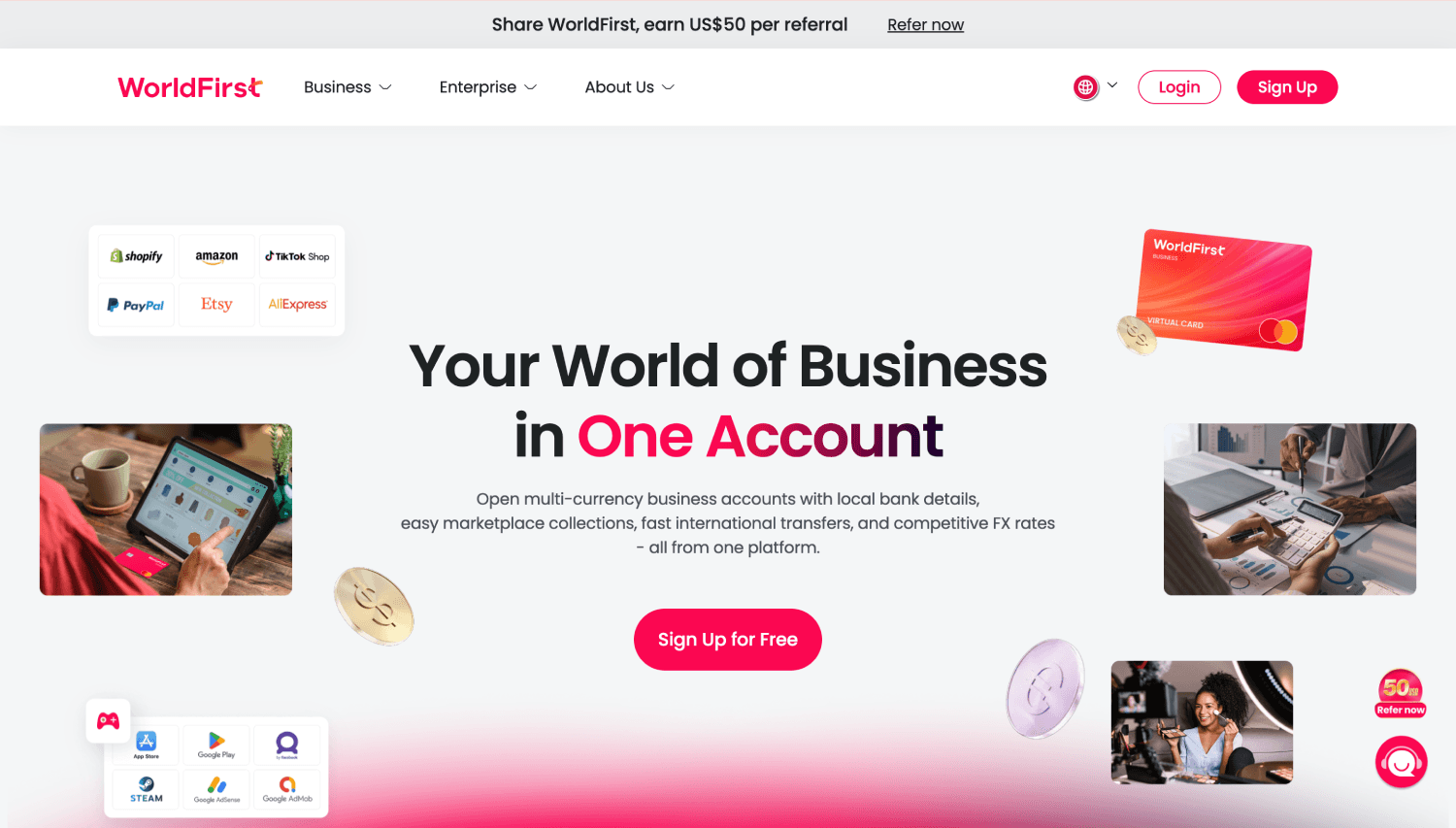
WorldFirst is an Ant International subsidiary, which gives it clearing relationships in China that independent platforms cannot match. For USD to CNY, it consistently quotes tighter FX spreads than Airwallex on mid-market comparisons, and it processes ecommerce marketplace proceeds from Amazon, Shopify, and Walmart directly into its multi-currency account.
WorldFirst’s account supports over 20 currencies with local receiving details, including USD, GBP, EUR, AUD, and CNY. There is no monthly fee. The FX markup is embedded in the spread, which means costs are visible at the moment of transfer rather than buried in a monthly statement. For a detailed side-by-side on payout corridors, the FintechSpecs WorldFirst vs Airwallex comparison for cross-border SaaS payouts covers the specific scenarios where WorldFirst wins.
The gap is on cards and US banking. WorldFirst does not offer a corporate card product for US users or a US bank account with ACH rails. If your team needs to pay US vendors by ACH or issue cards to employees, WorldFirst is a payout account, not a full business bank replacement.
Wise Business: Best Transparency, Weakest on Batch Volume
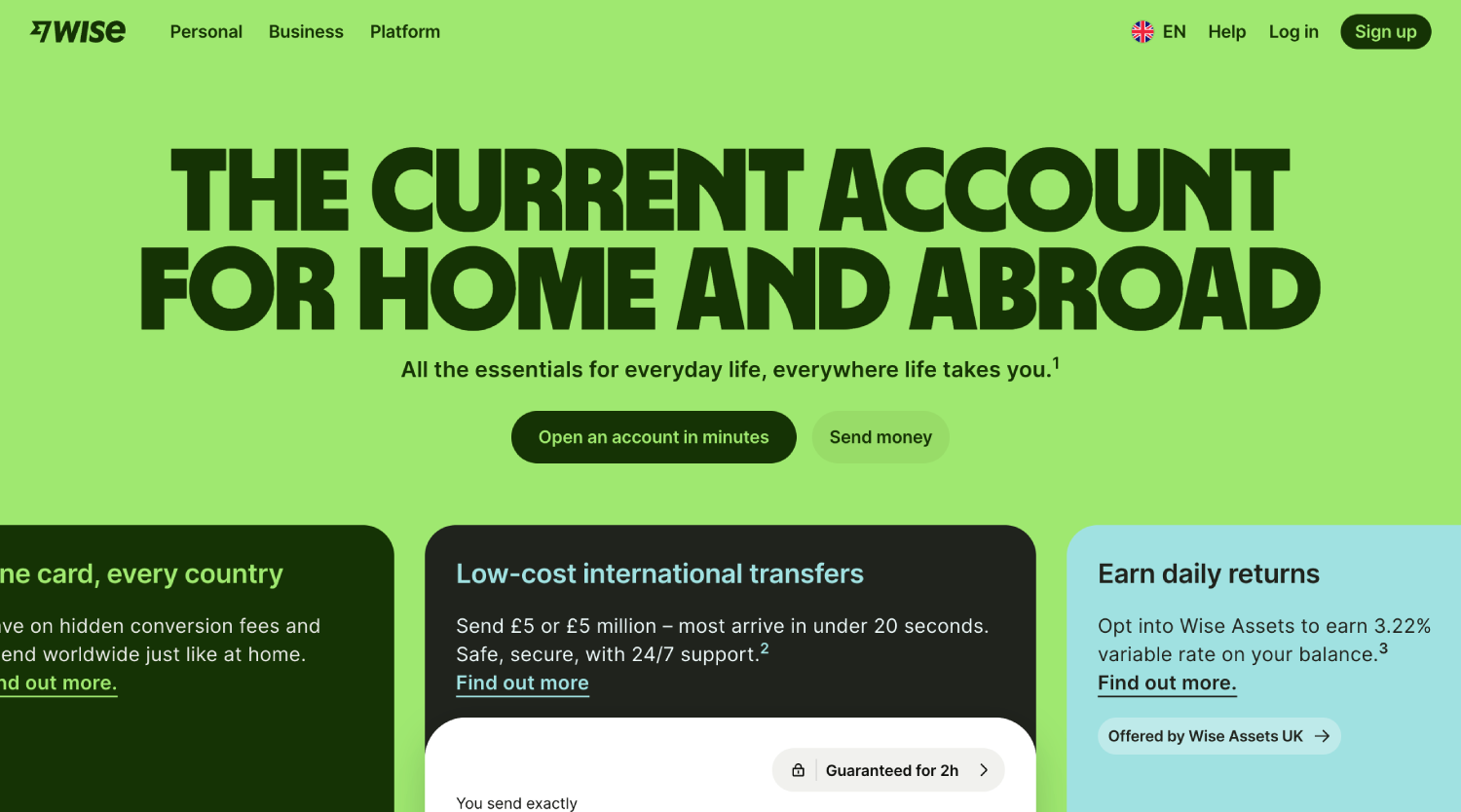
Wise Business uses the mid-market rate and charges a fixed percentage fee per transfer, published on its pricing page before you send. That model is structurally more honest than spread-based pricing, where the cost is invisible until you do the math yourself.
Wise Business holds funds in regulated e-money accounts segregated from company assets in most jurisdictions. In the UK, for example, Wise is FCA-authorized as an e-money institution. In the US, it operates under state money transmitter licenses. Neither structure provides FDIC insurance, which matters for treasury policy.
The weak point is volume. Wise Business works well for companies sending a few hundred transfers a month. For a marketplace paying thousands of sellers weekly, the per-transfer fee model becomes expensive relative to providers like Payoneer or Nium, which negotiate batch pricing. Wise also does not offer a credit product, so it cannot replace Airwallex for teams using Airwallex’s credit line feature. For the Airwallex versus Wise comparison specific to US companies, the FintechSpecs Airwallex vs Wise Business analysis for US companies going global is the cleaner read.
Payoneer: The Default for Marketplace and Freelancer Payouts
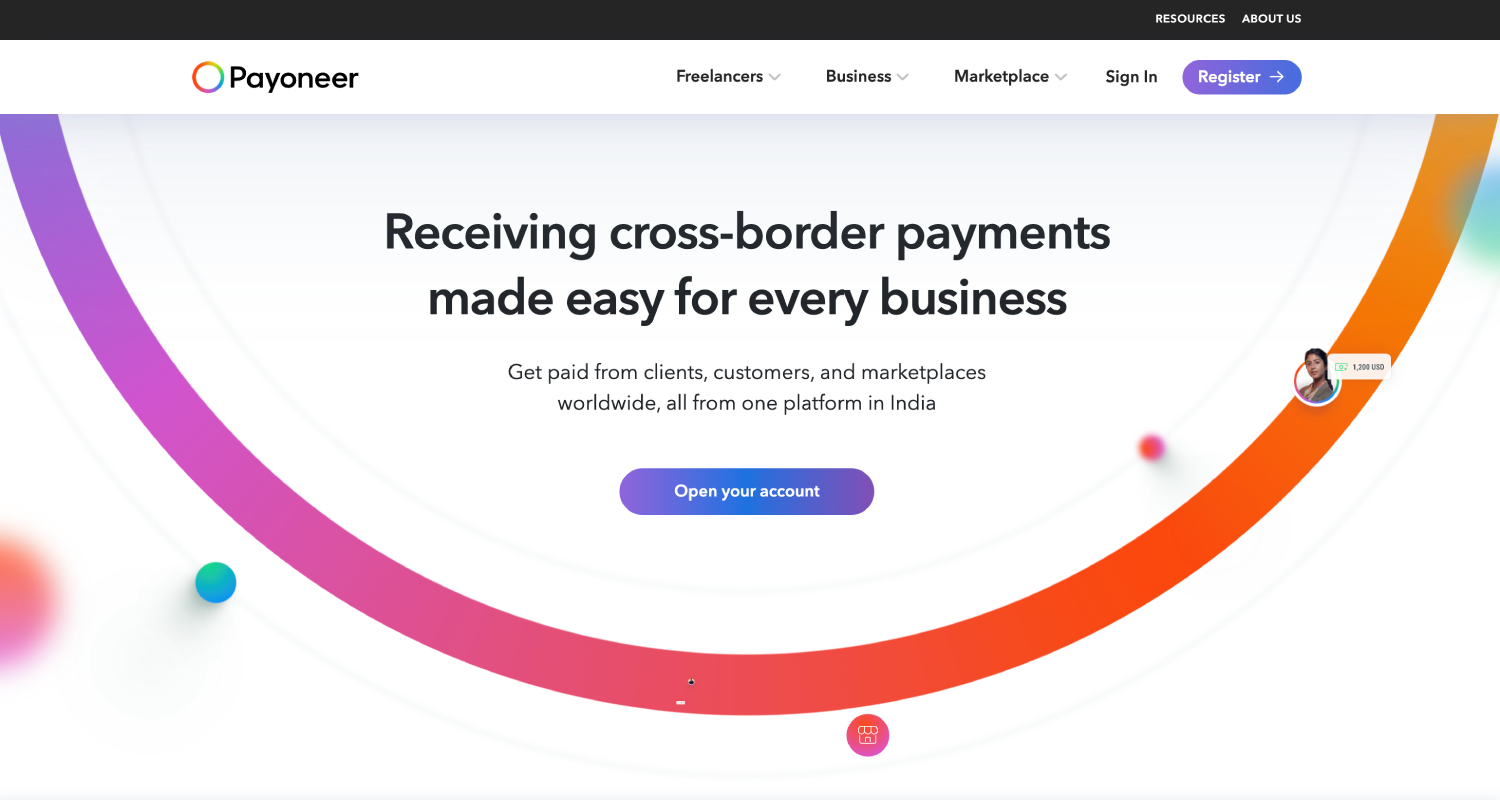
Payoneer built its network around marketplace integrations. It connects directly with Amazon, Upwork, Fiverr, Airbnb, Getty Images, and dozens of other platforms, which means sellers and contractors receive earnings directly into a Payoneer account without waiting for a manual wire. That integration depth is not something Airwallex replicates.
Payoneer’s FX spread is wider than Wise’s on most pairs, and its withdrawal fee to a local bank account varies by destination country. The trade-off is network reach: Payoneer supports payouts in over 190 countries, with local bank transfer options in far more corridors than most competitors. For a company paying contractors in markets like Bangladesh, Egypt, or Nigeria, Payoneer’s payout rails exist where Airwallex’s do not.
Payoneer is not a treasury account. It does not offer a meaningful yield on balances, and its card product is a prepaid Mastercard, not a corporate charge card with controls. Teams that need Payoneer for payouts typically run it alongside a US bank account like Mercury rather than replacing their primary banking relationship with it.
Revolut Business: Best for European Card Spend Control
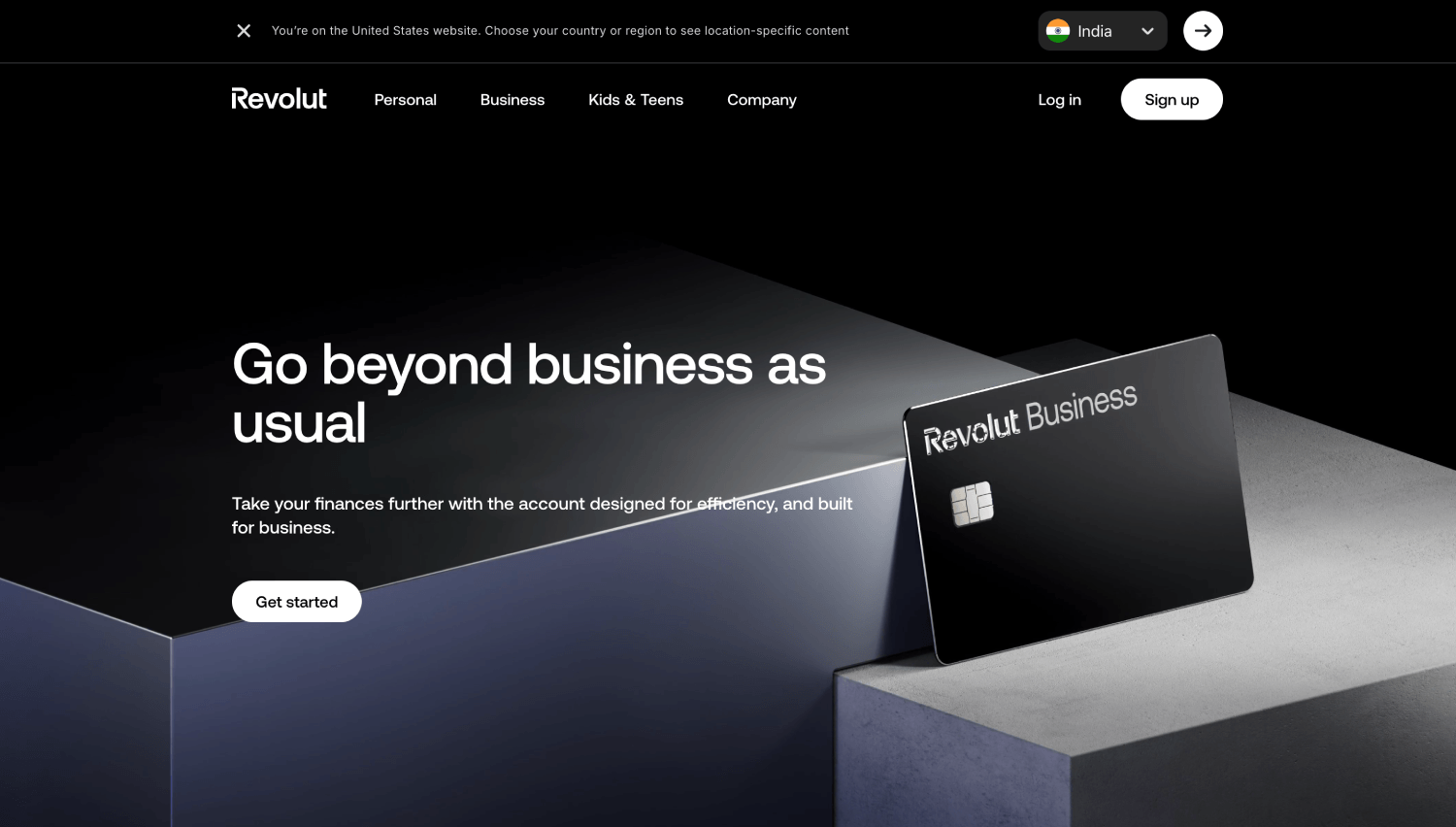
Revolut Business offers tiered subscription plans with a set number of free currency exchanges per month at the interbank rate. Above the plan limit, a markup applies. As of Revolut’s public pricing page (last reviewed Q4 2024), plans run from a free tier to paid tiers priced monthly, with the higher tiers including unlimited free exchanges. European teams running significant card spend across multiple employees find the multi-user card controls, per-card limits, and real-time spend notifications more granular than Airwallex’s card program.
For US-incorporated companies, Revolut Business is harder to justify. US onboarding takes longer, the product is more EUR and GBP-centric, and Revolut does not hold a US bank charter. Balances sit in e-money accounts without FDIC protection. The card also lacks the travel perks that Brex or Ramp offer at comparable price points.
Revolut Business makes more sense as a European entity’s primary operating account than as a global alternative to Airwallex for a US-headquartered company. If your team is UK or EU-based, it competes directly with Airwallex on features and pricing. If your team is US-based, Mercury or Brex will onboard you faster with fewer compliance questions.
Mercury: The Right Answer for US Teams Who Want a Real Bank Account
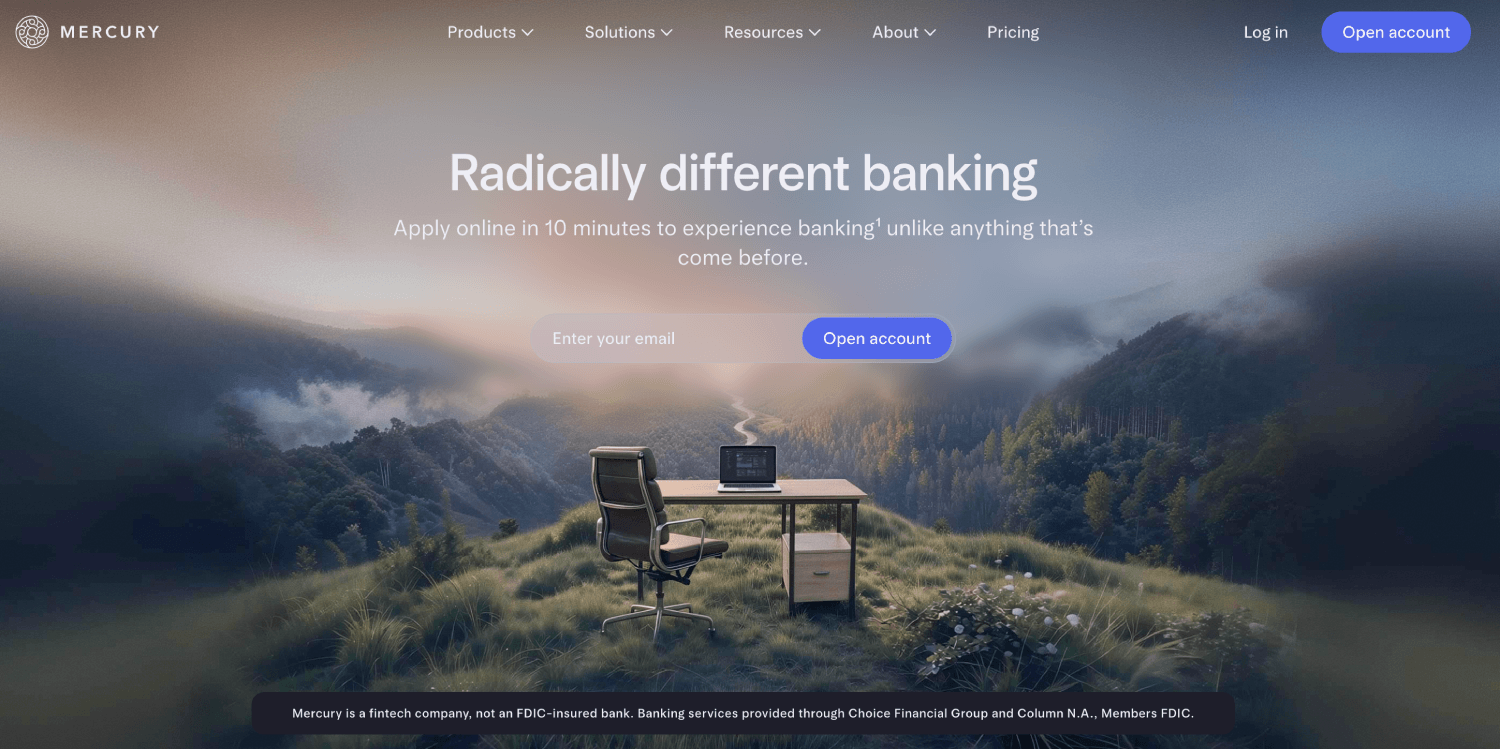
Mercury is not a global multi-currency account. It is a US bank account, FDIC-insured through its partner banks, with a clean interface built for startups. It supports incoming international wires in multiple currencies and outgoing wires via SWIFT, but it does not give you a local EUR IBAN or a CNY receiving account.
That distinction matters. If your problem is “I need to receive EUR from European customers without conversion fees,” Mercury is not the right tool. If your problem is “I need a US bank account that won’t take three weeks to open, has no minimum balance, and integrates with my accounting stack,” Mercury is the obvious answer.
Mercury also offers a corporate card, FDIC-insured savings with yield on operating balances (rates change with the rate environment), and a treasury product for larger cash positions. For seed-to-Series B companies whose primary banking need is domestic, Mercury plus Wise or WorldFirst for international payouts is a more cost-efficient and operationally cleaner setup than Airwallex alone.
Aspire: The Right Airwallex Alternative for Southeast Asia Operators
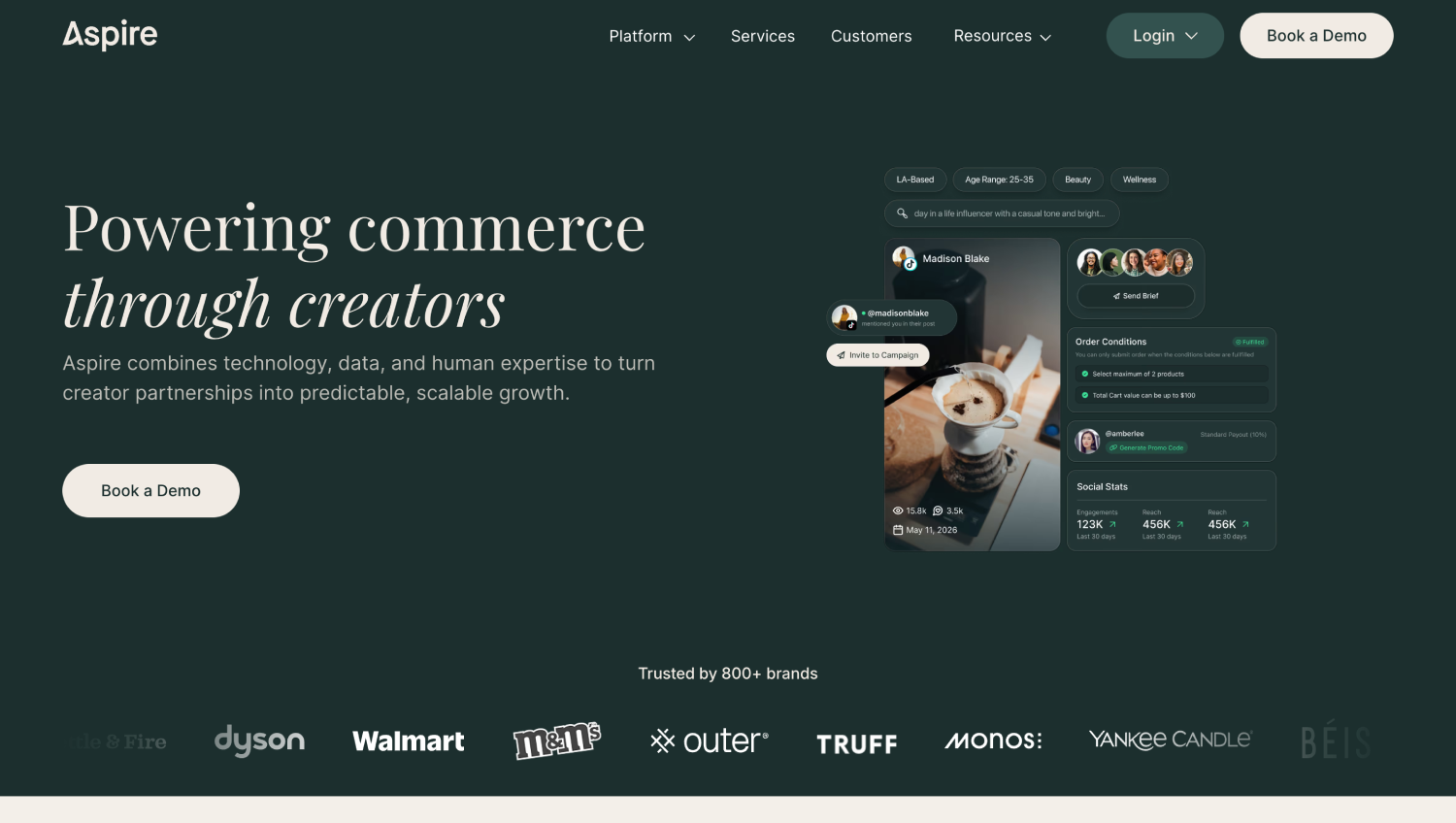
Aspire focuses on Southeast Asia. It holds e-money licenses in Singapore and supports SGD, IDR, PHP, MYR, and VND as primary operating currencies alongside USD and EUR. For a company paying suppliers in Jakarta, Manila, or Kuala Lumpur, Aspire’s local rail integrations reduce settlement time and FX cost relative to running everything through SWIFT from Airwallex.
Aspire offers corporate cards, multi-currency accounts, accounts payable automation, and expense management. The product has expanded from a simple multi-currency account into something closer to a finance operations platform for regional SMBs. That breadth works in Southeast Asia. Outside the region, the coverage thins considerably, and teams with significant USD/EUR flows will find Wise or WorldFirst more competitive on those pairs.
Nium: For Engineering Teams Building Payout Infrastructure
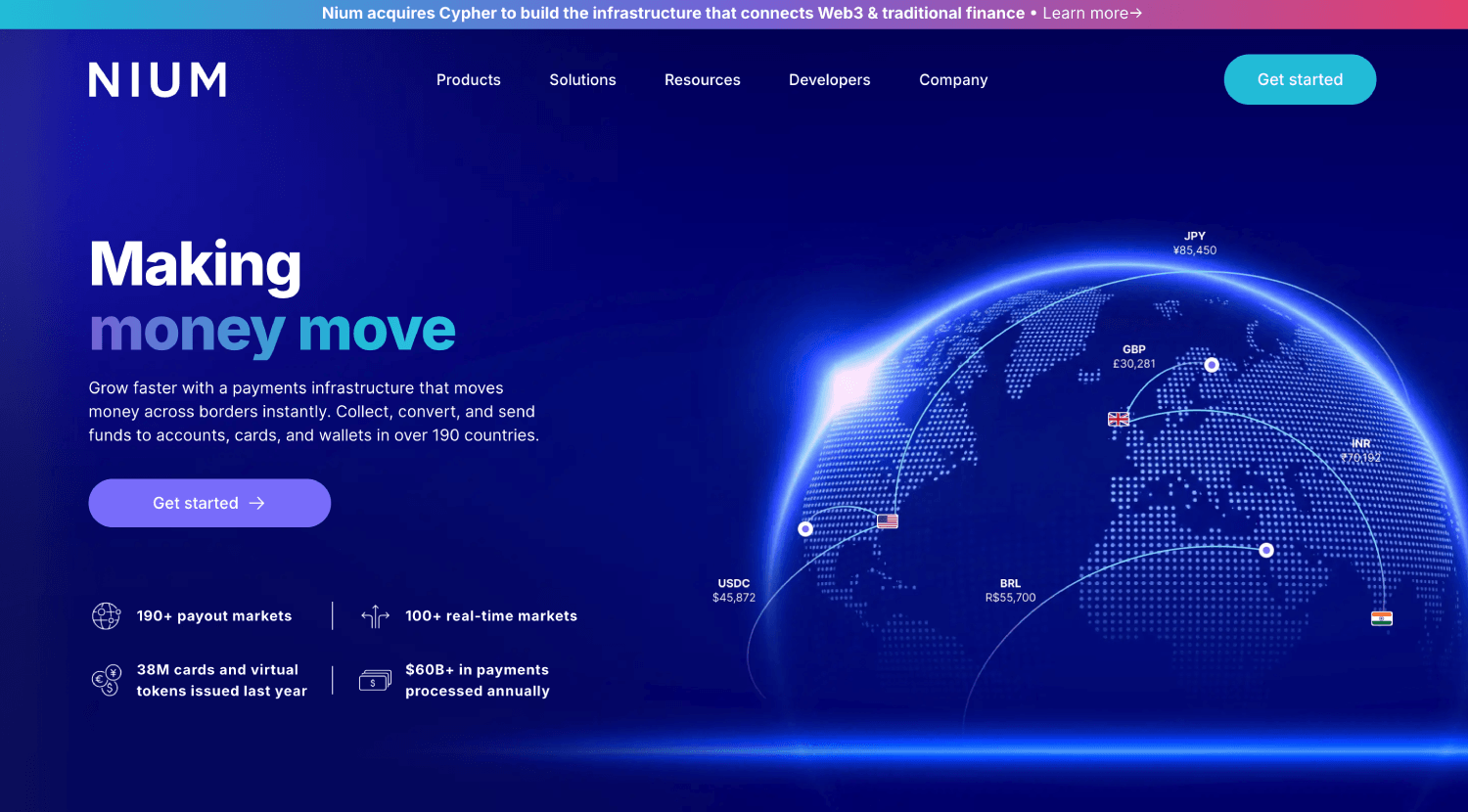
Nium is not a self-serve account you open in an afternoon. It is a licensed payments infrastructure provider with coverage across 100-plus countries, operating as a regulated entity in the US, EU, UK, Singapore, and Australia. Companies building embedded payouts, cross-border contractor payments, or multi-currency disbursements into their own product use Nium’s API rather than Airwallex’s platform API.
Nium’s pricing is custom and negotiated. Based on Nium’s enterprise sales model and publicly described positioning as an infrastructure provider for high-volume platforms, the minimum viable volume to make Nium’s economics work is typically in the $1 million-plus monthly range, though this threshold is not formally published by Nium and may vary by corridor and contract structure. Below that, Wise Business or Airwallex’s self-serve account offer better unit economics without a custom contract. Nium also holds money transmitter licenses and e-money licenses that allow it to operate in corridors where smaller providers rely on third-party banking relationships.
For a deeper look at how Nium stacks up against Thunes on global payout infrastructure decisions, the FintechSpecs Nium vs Thunes infrastructure comparison covers the licensing, corridor depth, and API differences. And if you’re evaluating whether to build or source payout infrastructure entirely, the cross-border payout API comparison for US platforms covers nine options including Nium in a more structured format.
Brex: Best Airwallex Alternative for US Corporate Card Spend
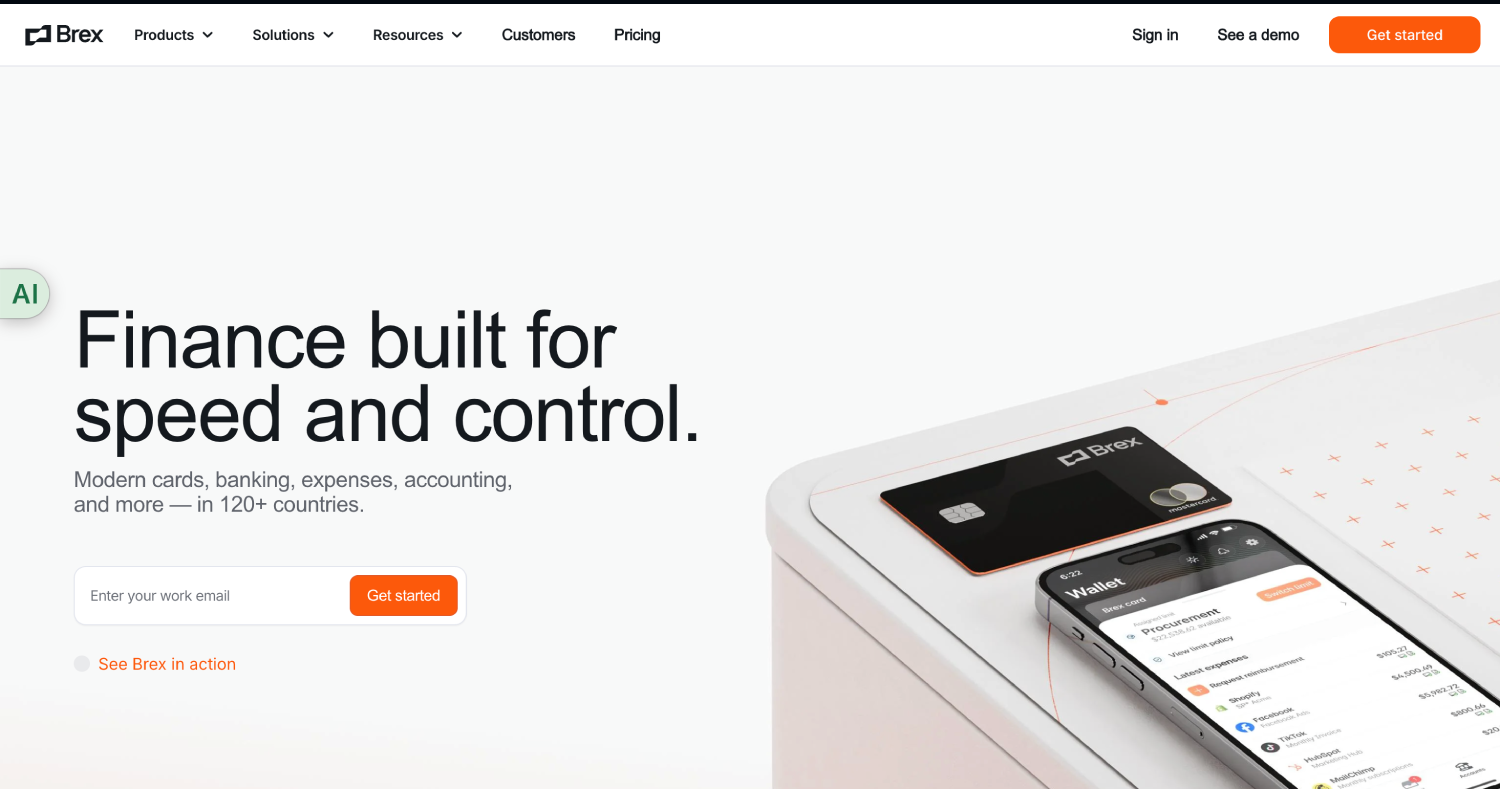
Brex is a corporate card and spend management platform, not a multi-currency payment account. It does not give you local IBANs in Europe or a CNY receiving account. What it does is issue corporate cards with high limits, real-time spend controls, and a rewards program calibrated for SaaS and travel spend.
Companies switching from Airwallex because they primarily used Airwallex for card spend on international travel and vendor payments will find Brex’s card product more developed. Brex also integrates with NetSuite, Sage Intacct, QuickBooks, and Expensify, which matters for finance teams doing monthly close. The spend management comparison across Brex, Ramp, and Airbase is worth reviewing if card controls are your primary need rather than FX payouts, the FintechSpecs Ramp vs Brex vs Airbase analysis covers that decision in detail.
OFX: Best for Large Single Wires Above $10,000
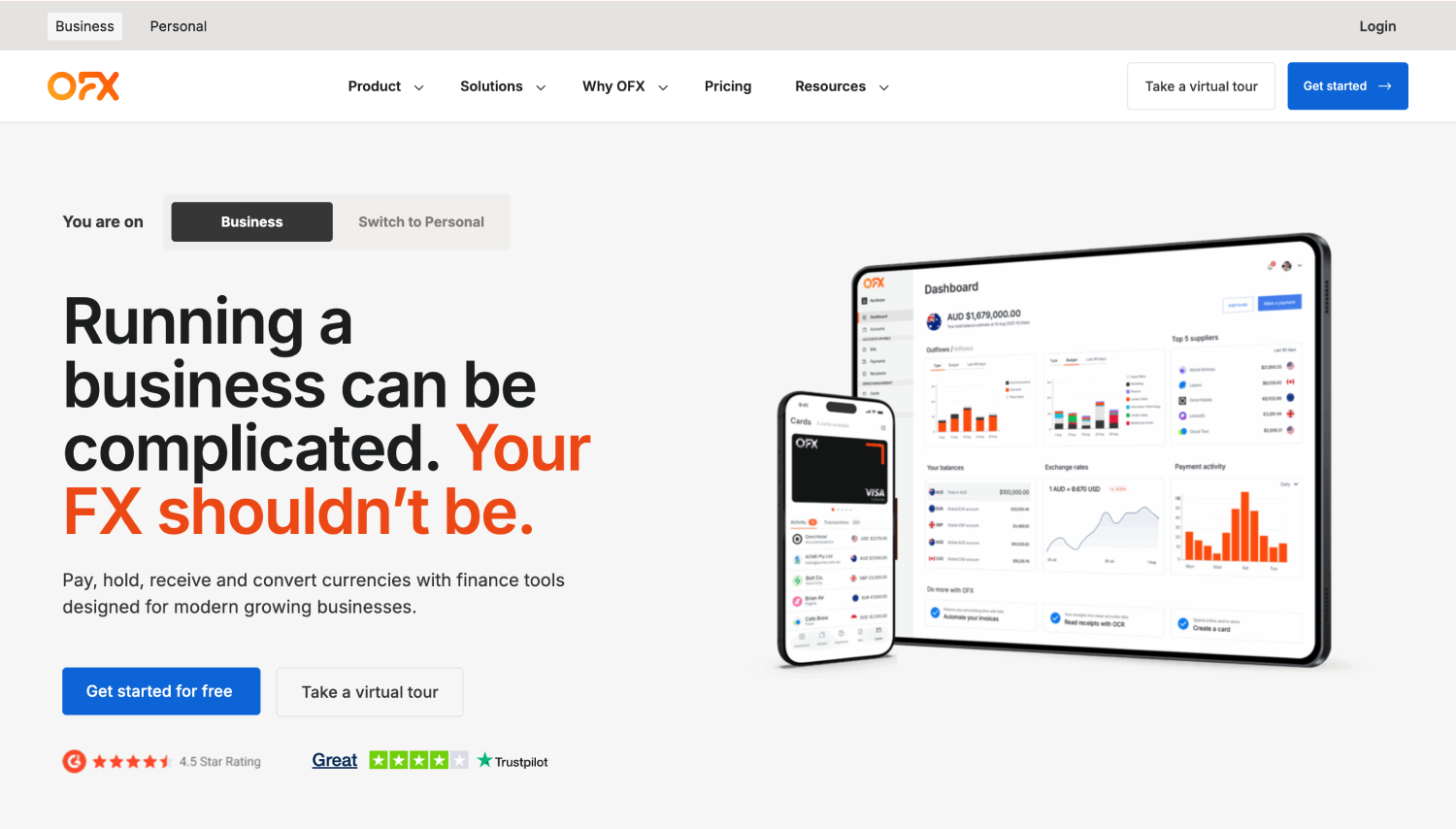
OFX operates as a licensed foreign exchange dealer. It does not charge a transfer fee on wires above a certain threshold, and it offers rate locks and forward contracts for companies managing FX exposure over weeks or months. For a US company wiring a large supplier payment to Europe or Australia once or twice a month, OFX’s spread on a $50,000 transfer is often tighter than Airwallex’s retail rate.
OFX has no card product, no API for developers, and no multi-currency account with local receiving details. It is a wire transfer service with better FX rates than a bank. That single function makes it a useful complement to a primary banking relationship, not a full Airwallex replacement.
Frequently Asked Questions
Is Airwallex FDIC insured?
Airwallex is not a bank and does not offer FDIC insurance on held balances in the US. It operates under money transmitter licenses and holds customer funds in pooled accounts at partner banks. Whether those underlying accounts carry pass-through FDIC coverage depends on the specific banking structure and whether the funds are properly titled, which is a question worth putting directly to Airwallex’s compliance team before moving significant operating balances.
How does WorldFirst compare to Airwallex for ecommerce sellers?
WorldFirst wins for sellers primarily receiving from Amazon US, Amazon China, or other marketplaces with CNY settlement. Its Ant International parent gives it China clearing relationships Airwallex lacks at equivalent cost. Airwallex competes on card spend and a broader API for developers. For pure FX-in-from-marketplace payouts, WorldFirst’s spread and fee structure is generally more favorable, particularly on USD/CNY.
Can Wise Business replace Airwallex for a US company paying European contractors?
For companies paying under a few hundred contractors monthly in EUR or GBP, Wise Business handles it cleanly at lower all-in cost than Airwallex on most pairs. Wise’s mid-market rate plus a fixed percentage fee beats Airwallex’s spread-based model on EUR transfers for amounts under $50,000. Above that threshold or for batch payouts at scale, Nium or Payoneer’s volume pricing may be more efficient.
What is the fastest way to onboard a US company onto an Airwallex alternative?
Mercury onboards US entities fastest, often within one to two business days for standard incorporation structures. Wise Business and WorldFirst are also self-serve with document verification typically completing within a few days. Revolut Business and Aspire take longer for US entities because their compliance processes are calibrated for their primary markets. Nium requires a sales conversation and custom agreement before any onboarding begins.
Which Airwallex alternative works best for paying Southeast Asia suppliers?
Aspire is purpose-built for this. It supports SGD, IDR, PHP, MYR, and VND with local rail integrations that reduce settlement time and avoid full SWIFT routing costs. For companies with mixed corridors including Southeast Asia and the US or Europe, Aspire for regional suppliers plus Wise or WorldFirst for Western corridors is a common operational split.
Do any of these alternatives offer a credit line like Airwallex?
Brex and Mercury both offer credit products for US-incorporated companies, with Brex’s charge card and Mercury’s credit card operating on charge-card and revolving credit structures respectively. WorldFirst, Wise Business, and OFX do not offer credit. Revolut Business offers some overdraft and credit features in the UK and EU, but these are not generally available to US entities as of the current product lineup.
Is Nium suitable for a company processing under $500,000 per month in cross-border payments?
Generally no. Nium’s pricing is custom and its onboarding is enterprise-grade. Based on Nium’s publicly described positioning as a high-volume infrastructure provider, the minimum viable volume is typically in the $1 million-plus monthly range, though Nium does not formally publish this threshold. Below that, Wise Business or Airwallex’s self-serve account offer better unit economics without a custom contract. Aspire is a better fit for Southeast Asia-focused teams at lower volumes, and WorldFirst for ecommerce-driven flows.
The Right Way to Think About This Decision
There is no single Airwallex replacement that is better across every dimension. What there is, for most companies, is a two-account structure: a primary domestic banking relationship (Mercury for US teams, Aspire for Southeast Asia teams, Revolut Business for EU teams) paired with a specialist cross-border provider chosen on corridor. WorldFirst for China and UK. Wise for EUR transparency. Payoneer for contractor and marketplace payouts. OFX for large periodic wires. That structure is cheaper and more operationally predictable than routing everything through a single multi-currency account.
The mistake is picking a provider based on feature lists rather than flow analysis. A company sending $300,000 a month primarily to EUR contractors will save real money choosing Wise over Airwallex on that corridor. The same company with significant USD/CNY flows will save more with WorldFirst. These are not marginal differences at volume. FX spread differences of 0.3 to 0.8 percentage points on $3 million in annual transfers compound to meaningful amounts on a P&L that finance teams are trying to protect.
Run the Corridor-First Framework before you sign with anyone. Pull live quotes, add all fees, and check the regulatory structure of held funds. That 30-minute exercise will tell you more than any feature comparison chart, including this one.